
Trees
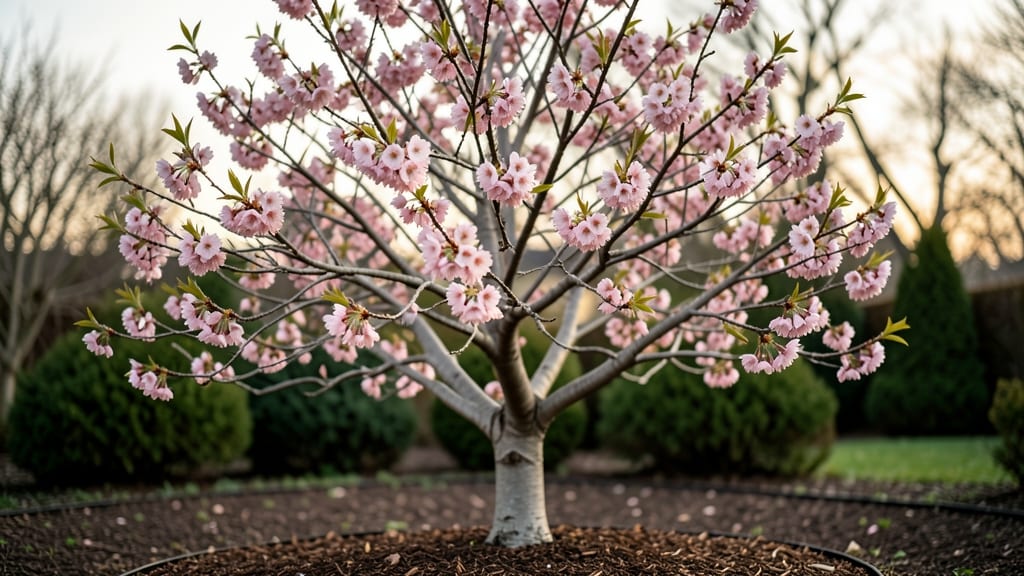
Your Florida landscape deserves year-round color without the pruning headache—okame cherry trees deliver exactly that. 🌸 These trees thrive in Florida’s heat and humidity, bursting with delicate pink blooms from late winter through spring, and sometimes even reblooming in fall.
The best part? They’re low-maintenance, with minimal pruning needed to keep them looking effortless.
Plant yours in full sun with well-draining soil—Florida’s sandy soils work perfectly if amended with compost. Water deeply after planting, then let nature take over; okame cherries are drought-tolerant once established.
The key to maximizing blooms is avoiding heavy pruning, which can reduce flowering. Just remove dead branches in late winter, and you’re set.
Expect stunning, fragrant blooms that attract pollinators and brighten your yard for months. These trees handle Florida’s heat better than many ornamentals, making them a standout choice for coastal areas, urban landscapes, or as a focal point in your garden.
With proper care, they’ll reward you with decades of beauty and minimal fuss.
Watch for occasional pests like scale or aphids, but they rarely cause serious damage. If you notice issues, a simple spray of water or insecticidal soap usually does the trick. For long-term success, plant in a spot where you can enjoy their shade and blooms without worrying about high-maintenance upkeep.
📚 In This Guide
- What you need
- Instructions
- Tips and common mistakes
- Wrapping up and next steps
What you need
- ● Okame cherry tree (Prunus campanulata) – Choose a 1- to 3-gallon container-grown sapling for best establishment in Florida’s climate. (Pro tip: 🌡️ Opt for a dwarf variety if space is limited!)
- ● High-quality potting mix or well-draining soil – A blend of 60% native soil, 30% compost, and 10% perlite/sand works wonders.
- ● Organic mulch (3–4 inches) – Pine straw or shredded bark to retain moisture and regulate soil temperature.
- ● Slow-release fertilizer (10-10-10 or 8-3-9) – Apply 1–2 pounds per 100 sq. ft. at planting.
- ● Watering can or hose with a gentle spray nozzle – Deep watering is key!
- ● Shovel or trowel – For digging the planting hole (2x wider and as deep as the root ball).
- ● Garden gloves – Protect your hands from thorns and rough soil.
- ○ Pruning shears (sterilized) – For minimal shaping (optional but helpful).
- ○ Stakes and twine (optional) – Use if your tree needs temporary support in windy Florida conditions.
- ● pH testing kit – Ensure soil pH is 5.5–6.5 (Okame cherries prefer slightly acidic soil).
- ● Sunlight – A full-sun location (6+ hours/day) is ideal. Florida’s partial shade works too, but expect fewer blooms.
- ● Well-draining soil – Avoid soggy spots! Okame cherries hate waterlogged roots.
- ● Patience – While low-maintenance, it may take 2–3 years for your tree to reach full bloom potential.
- ● Local nursery or mail-order supplier – Verify the tree is hardy to Florida’s Zone 8–10 before purchasing.
Step-by-Step guide to planting and caring for Okame cherry trees in Florida
Here's how to establish these stunning trees with minimal fuss—Florida's climate is perfect for their year-round beauty.
🌱 Step 1: Choose the Perfect Planting Spot
Okame cherries thrive in full sun to partial shade, but in Florida's heat, afternoon shade protection is ideal. Pick a location with at least 6 hours of morning sunlight and dappled shade after 2 PM to prevent leaf scorch. The tree's natural shape is weeping, so plant it where the branches can cascade beautifully—think near patios, entryways, or foundation plantings.
Check your soil's drainage first. Okame cherries hate soggy roots, so if your yard has heavy clay, amend the planting hole with 1/3 compost mixed into the native soil. The hole should be twice as wide as the root ball but only as deep—planting too deep suffocates the roots. Loosen the root ball gently if it's tightly bound, then place the tree so the top of the root ball sits 1 inch above ground level.
💧 Step 2: Water Deeply and Mulch Generously
After planting, water deeply to settle the soil around the roots, then add 2-3 inches of organic mulch (like pine bark fines) in a wide circle, keeping it 6 inches away from the trunk. Mulch conserves moisture and regulates soil temperature—critical in Florida's humid summers and mild winters. Water again every 2-3 days until new growth appears, then taper to once weekly during dry spells.
Here's the thing—Okame cherries are drought-tolerant once established, but young trees need consistent moisture. You'll know you're watering right when the top 2 inches of soil feel damp but not soggy. Overwatering in Florida's heat leads to root rot, so always check before watering again. Avoid wetting the leaves to prevent fungal diseases like powdery mildew.
☀️ Step 3: Provide Seasonal Care for Year-Round Beauty
Florida's mild winters mean Okame cherries bloom year-round, but they still need seasonal attention. In spring, fertilize lightly with a balanced 10-10-10 formula to encourage new growth—use half the recommended dose to avoid burning roots. Summer care is minimal: just keep the mulch topped up and watch for pests like scale insects, which thrive in Florida's humidity. A blast of water from the hose usually dislodges them.
Fall is the best time for minimal pruning. Remove only dead, crossing, or overly long branches to maintain the tree's natural shape. Okame cherries bloom on old wood, so avoid heavy pruning—they'll still produce flowers but may look less full. In winter, if temperatures dip below 25°F, protect young trees with a light frost cloth draped loosely over the canopy.
✂️ Step 4: Maintain Health With Minimal Effort
Okame cherries are low-maintenance, but a few simple checks keep them thriving. Inspect the tree monthly for signs of stress: yellowing leaves often mean overwatering, while crispy edges signal underwatering or salt buildup from Florida's coastal breezes. If you notice leaves dropping prematurely, it could be a sign of aphids or spider mites—treat with neem oil if needed.
Every 2-3 years, refresh the mulch layer and top-dress with 1-2 inches of compost in early spring. This replenishes nutrients without overfeeding. The tree's natural weeping habit means branches may need occasional support if they grow too long—tie them gently to stakes with soft plant ties to prevent breakage during Florida's occasional summer storms.
Tips & tricks for perfect Okame cherry tree planting in Florida
Between us, Florida's climate makes Okame cherries a dream to grow—but only if you nail a few key details. These tricks will help you avoid the most common pitfalls while keeping your tree thriving year-round.
Sunlight Strategy: That 6-hour morning sun requirement is non-negotiable, but here's what nobody tells you about the afternoon shade: use lightweight fabric shade cloth (30-50% block) rather than dense structures. It diffuses light without creating stagnant air pockets that invite fungal issues. I've seen trees in full afternoon shade still suffer from leaf scorch because of poor airflow—don't make that mistake.
Soil Science: The 1/3 compost amendment in Step 1 is brilliant, but don't stop there. For Florida's heavy clay soils, I recommend adding a handful of perlite to the planting hole too—it improves aeration without altering the soil structure permanently. Think of it as giving your roots a breath of fresh air from day one. The goal is that perfect balance where water drains freely but nutrients stay put.
Watering Wisdom: Those 2-3 days between waterings after planting might feel like a long time, but here's the secret: water deeply each time, aiming for 1-1.5 gallons per watering. The key is saturating the root zone completely rather than giving shallow, frequent drinks. I test by sticking my finger 2 inches down—if it's dry, water again. This mimics Florida's natural rainfall patterns while preventing the root rot that plagues so many newly planted trees.
Seasonal Hack: For that 25°F frost protection in winter, I've found that wrapping the trunk with tree wrap (not plastic) creates an invisible barrier that actually helps regulate temperature fluctuations. The real game-changer? Place a heat lamp on a timer (4-6 hours per night) during cold snaps—it's the difference between a tree that survives and one that thrives. Just keep it 3-4 feet away to avoid scorching branches.
Pro Tips for Okame Cherry Tree Florida
- Between us, Florida's climate makes Okame cherries a dream to grow—but only if you nail a few key details.
- Sunlight Strategy: That 6-hour morning sun requirement is non-negotiable, but here's what nobody tells you about the afternoon shade: use lightweight fabric shade cloth (30-50% block) rather than dense structures.
- Soil Science: The 1/3 compost amendment in Step 1 is brilliant, but don't stop there.
Frequently asked questions
Can Okame cherry trees thrive year-round in Florida’s climate?
Okame cherries (Prunus campanulata) are evergreen and heat-tolerant, making them perfect for Florida’s subtropical climate. They handle humidity and occasional freezes (down to 15°F) with ease. Just plant them in well-draining soil and avoid waterlogged areas to prevent root stress.
How long does it take for an Okame cherry tree to bloom?
Patience pays off! Young trees may take 3–5 years to produce flowers, but once established, they bloom year-round in Florida (with peak seasons in spring and fall). For faster blooms, choose a 1–2 year old grafted tree from a nursery—it’ll skip the waiting game!
Do Okame cherry trees need much pruning?
One of their biggest perks? Minimal pruning! Trim only to shape the tree or remove dead/diseased branches. Avoid heavy cuts—Okames bloom on old wood, so pruning in late winter (if needed) is safest. Pro tip: Use sterilized shears to prevent bacterial spread.
What’s the best alternative if my Okame cherry isn’t thriving?
If your tree struggles with pests, poor soil, or slow growth, consider these Florida-friendly alternatives:
- Yoshino cherry (Prunus × yedoensis) – Cold-hardy, fragrant blooms (but not evergreen).
- Japanese plum (Prunus mume) – Drought-tolerant, edible fruit, and year-round interest.
- Firewheel tree (Stenolobium siamense) – Fast-growing, vibrant orange flowers, and low-maintenance.
What pests or diseases should I watch for with Okame cherries?
Okame cherries are resistant to most pests, but keep an eye out for:
- Scale insects – Treat with neem oil or horticultural oil if spotted.
- Fungal leaf spot – Improve airflow and avoid overhead watering.
- Root rot – Never plant in soggy soil; amend clay with compost.
Wrapping up and next steps
The Okame cherry tree is a stunning, low-maintenance gem that brings year-round beauty to Florida’s landscapes—whether you’re a seasoned gardener or a beginner. With its delicate blossoms, vibrant foliage, and minimal pruning needs, it’s the perfect choice for effortless elegance. 🌸
Ready to transform your space? Start by selecting the right variety for your Florida climate, then gather your tools and follow the simple steps to plant and care for your tree. Before you know it, you’ll be enjoying its graceful presence with minimal fuss!