
Trees
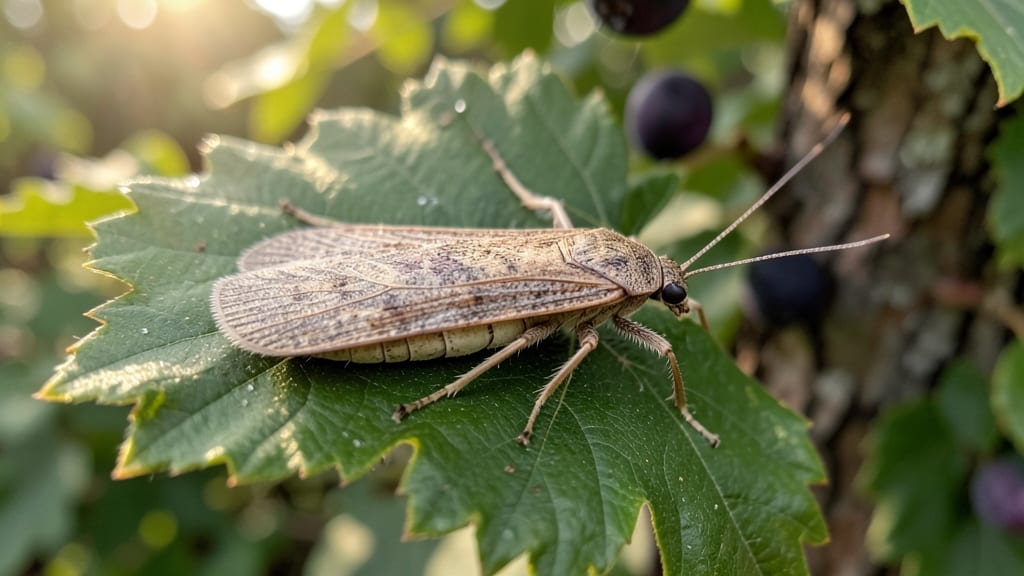
Mulberry tree bugs like the mulberry pyral moth can turn your lush canopy into a skeleton in weeks. 🌿 I’ve watched my own trees go from vibrant green to skeletonized branches in just a few seasons—until I learned the right natural remedies to stop the damage.
The key is catching these pests early, when they’re still small and manageable, before they spin silk nests or leave sticky residue on leaves.
Most mulberry pests—aphids, scale insects, and those pesky pyral moth caterpillars—thrive when trees are stressed, whether from drought, poor soil, or overcrowding. A strong tree fights off bugs better, so start with proper watering (deep soak once a week) and a layer of mulch to keep roots cool.
Prune out infested branches immediately, and bag them to prevent spreading eggs to healthy parts of the tree.
Natural sprays work best when applied in the evening to avoid harming bees. A mix of neem oil and water (1 tablespoon per quart) smothers soft-bodied insects like aphids, while soapy water (a few drops of dish soap in a gallon of water) tackles scale.
For the mulberry pyral moth, bacillus thuringiensis (Bt)—a natural bacterial spray—stops caterpillars in their tracks without harming birds or pollinators.
Prevention is the real game-changer: Install fine mesh netting around young trees in spring to block moths from laying eggs, and introduce beneficial predators like ladybugs or lacewings to your garden. With these steps, you’ll see fewer chewed leaves and more berries by next season—no chemicals required.
Root Causes of Mulberry Tree Pests
Understanding why pests target mulberry trees is the first step in effective control. These insects don’t just appear randomly—they’re drawn by specific conditions that make your tree an inviting buffet. Let’s break down the science behind their attraction.
---
Mulberry trees thrive when they’re healthy, but stress weakens their defenses. Overcrowding—whether from other plants, poor spacing, or dense foliage—creates the perfect hiding spot for pests like aphids, spider mites, and scale insects. These bugs love shaded, humid environments where they can feed undetected.
Why it happens: - Reduced airflow traps moisture, making leaves sticky and attractive to sap-sucking insects. - Nutrient competition stresses the tree, lowering its ability to produce natural pesticides (like tannins or resins). - Dense canopies block sunlight, slowing photosynthesis and weakening the tree’s immune response.
Actionable fix: Prune regularly to improve airflow, thin out overgrown branches, and ensure your mulberry tree gets at least 6–8 hours of sunlight daily.
---
Mulberry trees produce high-sugar sap, which is like a neon "Eat Me" sign for insects. Aphids, mealybugs, and whiteflies are particularly drawn to new growth because it’s rich in nutrients and easy to pierce. Even minor damage—like from pruning or wind—can trigger a sap response, signaling pests to swarm.
Why it happens: - New leaves and shoots are the most nutrient-dense, making them prime targets. - Wounded bark or branches ooze sap, attracting fungi and insects that feed on the exposed tissue. - Honeydew buildup (a sticky byproduct of sap-sucking insects) further attracts ants and sooty mold, creating a vicious cycle.
Actionable fix: - Seal pruning wounds with pruning paint or beeswax to prevent sap leaks. - Encourage natural predators (like ladybugs or lacewings) by planting companion flowers nearby. - Wash off honeydew with a hose to disrupt the pest-ant-fungus chain reaction.
---
Pests don’t just appear—they time their attacks based on temperature, humidity, and seasonal changes. Mulberry trees are especially vulnerable during: - Spring flush (when new leaves emerge). - Summer droughts (stressed trees produce more sap). - Fall humidity (ideal for fungal growth and insect reproduction).
Why it happens: - Warmth (60–85°F) speeds up insect metabolism, leading to faster reproduction. - High humidity (>60%) prevents egg desiccation, allowing pests to thrive. - Drought stress forces trees to prioritize survival over defense, making them easier prey.
Actionable fix: - Monitor weather patterns and treat preventatively before pests peak (e.g., apply neem oil in early spring). - Water deeply but infrequently to avoid fungal growth in moist soil. - Use reflective mulch (like aluminum foil) to deter flying insects with light glare.
---
Sometimes, we’re the problem. Unintended actions like: - Bringing infected plants from nurseries. - Using contaminated tools (pruners, saws) that carry pest eggs. - Over-fertilizing (which promotes soft, tender growth that pests love).
Why it happens: - Nursery-bought trees may already host hidden pests like mulberry pyralid moths or Japanese beetles. - Improper tool sterilization spreads diseases and insects between trees. - Excess nitrogen leads to rapid, weak growth—like a buffet for chewing insects.
Actionable fix: - Quarantine new plants for 2–4 weeks before introducing them to your garden. - Clean tools with rubbing alcohol between uses. - Balance fertilization with organic matter (compost) instead of synthetic boosts.
--- Pro Tip: 💡 Early detection is key! Regularly inspect the undersides of leaves, buds, and bark crevices—these are hotspots for hidden pests. A 10x magnifying glass can reveal eggs or larvae before they become a full-blown infestation.
Natural Ways to Eradicate Tree Pests
Mulberry trees, with their lush foliage and sweet berries, can quickly become a buffet for unwanted pests. If you’ve spotted signs of infestation—like chewed leaves, sticky residue, or tiny critters scurrying around—don’t panic!
Here’s how to tackle the most common mulberry tree bugs using effective, natural solutions that protect your tree and the environment.
---
Before diving into fixes, confirm which pests are causing trouble.
Common mulberry tree invaders include: - Aphids (tiny green/black bugs clustered on new growth) - Scale insects (brown, waxy bumps on branches) - Japanese beetles (metallic green/blue beetles devouring leaves) - Spider mites (tiny yellow specks on undersides of leaves) - Caterpillars (striped or fuzzy larvae munching foliage)
Once you’ve ID’d the pest, match it to the solution below.
---
For aphids, spider mites, and scale insects, these DIY sprays smother and repel pests without harsh chemicals.
#### 👨🍳 Soap Spray (Best for Aphids & Mites) What you’ll need: - 1 tbsp mild liquid soap (like Castile or dish soap) - 1 quart lukewarm water - Spray bottle
Steps: 1. Mix soap and water thoroughly in the bottle. 2. Shake well before each use (soap separates). 3. Spray directly on infested areas (top and underside of leaves) until leaves glisten. 4. Reapply every 3–5 days until pests vanish.
✨ Pro Tip: Test on a small leaf first—some trees are sensitive to soap!
#### 🥘 Neem Oil Solution (All-Purpose Pest Repellent) What you’ll need: - 1 tbsp neem oil - 1 tsp horticultural oil (or mild dish soap) - 1 quart water - Spray bottle
Steps: 1. Combine ingredients and shake vigorously. 2. Spray evenly on leaves, stems, and soil around the base. 3. Best applied at dusk to avoid harming bees. 4. Repeat every 7–10 days for 2–3 weeks.
💡 Why it works: Neem oil disrupts pests’ life cycles and deters future infestations.
---
Some bugs, like scale insects or Japanese beetles, are harder to kill with sprays alone. Try these hands-on methods:
#### 🌿 Pruning Infested Branches - When: Early morning (pests are sluggish and easier to spot). - How: - Use sharp pruners to cut off heavily infested branches. - Bag and dispose of clippings (don’t compost!) to prevent reinfestation. - Focus on new growth where aphids/scale love to hide.
#### 🕷️ Handpicking Japanese Beetles - Best time: Early morning or after rain (beetles are slow). - How: - Fill a bucket with soapy water. - Shake beetles into the bucket (they drown instantly). - Bonus: Drop a few drops of citrus oil in the water to repel others.
⚠️ Warning: Wear gloves—some pests (like caterpillars) can irritate skin!
---
Instead of fighting bugs alone, enlist their natural enemies to do the work for you!
| Pest | Natural Predator | How to Attract | |-------------------|---------------------------|--------------------------------------------| | Aphids | Ladybugs, lacewings | Plant dill, fennel, or marigolds nearby. | | Japanese Beetles | Parasitic wasps | Avoid pesticides; leave some beetles for birds. | | Spider Mites | Predatory mites | Introduce phytoseiulus persimilis mites (available online). | | Caterpillars | Birds, praying mantises | Install a birdhouse or bat box. |
🎯 Pro Tip: Avoid broad-spectrum pesticides—they kill beneficial bugs too!
---
Once your tree is pest-free, keep it that way with these easy maintenance habits:
- 🌱 Keep the tree healthy: - Water deeply 1–2 times per week (drought-stressed trees attract pests). - Fertilize in spring with compost or balanced organic fertilizer. - 🍃 Clean up regularly: - Remove fallen leaves/debris where pests hide. - Prune dead or crowded branches to improve airflow. - 🌿 Plant companion plants: - Garlic, chives, or rosemary repel many tree pests. - Nasturtiums trap aphids away from your mulberry. - 🕰️ Monitor year-round: - Check for eggs or early signs (tiny webs, honeydew) in spring and fall.
--- Final Thought: Most mulberry tree bugs can be eliminated naturally with consistency. Start with soap sprays or neem oil, reinforce with beneficial predators, and stay proactive with preventive care. Your tree—and your sanity—will thank you! 🌿🐞
Frequently asked questions
What are the most destructive bugs for mulberry trees?
The mulberry pyral moth is the worst offender, chewing through leaves and creating silk nests that defoliate trees. Other top pests include aphids (which excrete honeydew), scale insects (that form waxy bumps), and Japanese beetles (that skeletonize foliage). Early identification is key—check leaf undersides and new growth first.
How do I tell if my mulberry tree has a serious bug problem?
Look for chewed leaves, sticky residue (honeydew), or tiny webs between branches. For caterpillars, you’ll see frass (black droppings) on leaves. If you find more than 10% of leaves damaged, it’s time to act—pests spread quickly when populations are small but growing.
Can I use chemical pesticides on my mulberry tree?
Chemicals like malathion can work fast, but they harm beneficial insects and may leave residues on edible berries. For organic growers, neem oil or bacillus thuringiensis (Bt) are safer alternatives. If you choose chemicals, apply them early in the morning and avoid spraying when bees are active.
Will pruning help control mulberry tree bugs?
Prune infested branches in early spring before pests become active, and always sterilize tools with rubbing alcohol between cuts. Remove new growth (where aphids love to hide) and dispose of clippings in sealed bags—never compost them. Thin the canopy to improve airflow, which reduces humidity that pests thrive in.
How often should I check my mulberry tree for bugs?
Inspect your tree every 2 weeks during growing season (spring to fall), focusing on leaf undersides and buds. Early detection is critical—treat at the first sign of eggs or tiny larvae. In winter, do a quick monthly check for overwintering eggs or hibernating pests hiding in bark crevices.