
Pruning
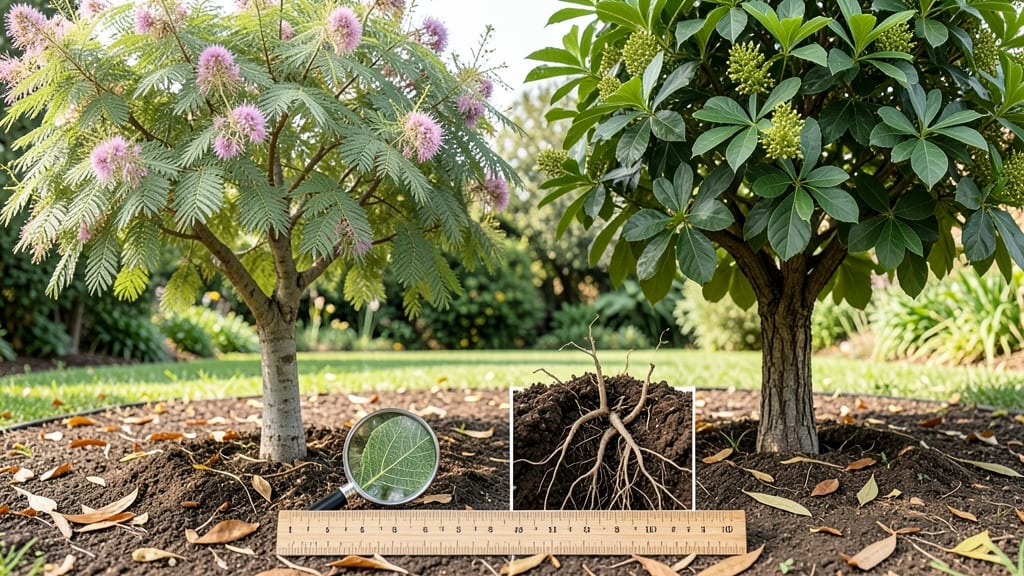
Deciding between a mimosa tree and tree of heaven can make or break your landscape plans—both look stunning but demand completely different care. 🌿 The mimosa (Albizia julibrissin) bursts with fluffy pink blooms and delicate fern-like leaves, while the tree of heaven (Ailanthus altissima) grows fast with compound leaves and a strong, almost medicinal scent.
One’s a showstopper; the other’s a weed waiting to happen. Mimosa trees thrive in well-drained soil and full sun, producing those iconic puffball flowers that hummingbirds adore. They’re deciduous, dropping their leaves in winter, and handle pruning like a champ—just trim back dead branches in late winter.
But here’s the catch: they’re invasive in some regions and can spread aggressively if not controlled. Tree of heaven, on the other hand, grows like a weed, tolerating poor soil and drought once established.
Its compound leaves and fast growth make it a tough competitor, but it’s also notorious for choking out native plants. The real difference lies in maintenance and environmental impact.
Mimosa trees need regular pruning to keep their shape and prevent seed spread, while tree of heaven requires aggressive control to stop it from taking over. One’s a prized ornamental; the other’s a landscape nightmare. If you want beauty with manageable upkeep, mimosa wins.
If you’re dealing with an existing tree of heaven, you’ll need a battle plan. For gardeners in warmer climates (zones 6-9), mimosa is the clear choice—just be prepared for its invasive tendencies. Tree of heaven, while hardy, is best left to nature or removed entirely.
Your landscape deserves the right tree, not a future headache.
The first product explained
Meet the Mimosa Tree (Albizia julibrissin)—a stunning, fast-growing ornamental with delicate fern-like foliage and fragrant pink blossoms that’ll make your garden the talk of the neighborhood! 🌸 But before you plant one, let’s break down what makes this tree a pruning powerhouse and how it stacks up against the invasive Tree of Heaven (Ailanthus altissima).
🌿 Key Specs & Features
This tree is a deciduous beauty with these standout traits:
- Height: 20–35 feet (with proper pruning, it can stay smaller—ideal for urban spaces!)
- Spread: 25–40 feet (broad canopy for shade lovers)
- Growth Rate: Fast! Gains 3–6 feet per year (but pruning keeps it manageable).
- Foliage: Bright green, fern-like leaves that turn golden in fall (🍂 seasonal drama!).
- Flowers: Soft pink, pom-pom-shaped blooms in summer (scented and pollinator-friendly!).
- Soil Tolerance: Adaptable—thrives in well-drained soil but handles clay or sandy mixes.
- Light Needs: Full sun to partial shade (but more sun = more blooms!).
🎯 Who’s It For?
This tree is a versatile star for:
- 🏡 Homeowners who want low-maintenance shade with seasonal interest.
- 🌆 Urban gardeners (its compact size works in small yards with pruning).
- 🐝 Eco-conscious plant lovers (supports bees and butterflies!).
- 🎨 Landscape designers seeking a dramatic yet manageable focal point.
💰 Price Point & Availability
Ready to add a Mimosa Tree to your yard? Here’s the scoop on costs:
| Size/Stage | Price Range (USD) | Where to Buy |
|---|---|---|
| 1–3 gallon (young sapling) | $40–$80 | Local nurseries, Home Depot, Lowe’s |
| 5–15 gallon (established tree) | $100–$250 | Specialty garden centers, online (e.g., Fast-Growing-Trees.com) |
| Balled & burlapped (large, mature) | $300–$600+ | Tree farms, landscape suppliers |
Pro Tip: 💡 Spring or early fall is the best time to plant for root establishment!
⚠️ Pruning & Care Notes
While Mimosa Trees are low-maintenance, they do need occasional pruning to:
- 🔪 Remove dead/diseased branches (prevents pests and disease).
- ✂️ Thin out crowded growth to improve airflow and sunlight penetration.
- 🌱 Shape young trees to control height/spread (prune in late winter/early spring).
Warning: 🌡️ Avoid heavy pruning in summer—it can stress the tree and reduce flowering!
The second product explained
The Tree of Heaven (Ailanthus altissima) is often the uninvited guest in your yard—fast-growing, hard to kill, and notorious for spreading like wildfire. If you're dealing with an infestation or just want to keep it in check, understanding its specs and features is key to managing it effectively. Let’s break it down!
🌳 Key Specs & Features
The Tree of Heaven is a deciduous tree that can grow rapidly—up to 3–4 feet per year—reaching heights of 60–75 feet with a spread of 30–50 feet. Here’s what makes it tick:
- Leaves: Compound, fern-like, and emit a distinctive foul odor when crushed (a dead giveaway!).
- Bark: Grayish-brown, deeply furrowed as it matures.
- Flowers: Small, greenish, and fragrant (though the scent is polarizing).
- Seeds: Winged samaras that spread effortlessly via wind, making it a pruning and removal nightmare.
- Root System: Aggressive and invasive, capable of sprouting from even tiny root fragments.
🎯 Target Users
This tree isn’t for the faint of heart—it’s the go-to for:
- 🌿 Landscapers and arborists tackling invasive species.
- 🏡 Homeowners whose yards are overrun by this tenacious tree.
- 🌱 Eco-conscious gardeners looking to remove it (not plant it!) to protect native species.
- 🚜 Farmers and land managers dealing with its rapid spread in disturbed areas.
💰 Price Point & Management Costs
Unlike the Mimosa Tree, which can be pruned and contained, the Tree of Heaven often requires complete eradication. Here’s the cost breakdown:
| Service | Estimated Cost (USD) |
|---|---|
| Manual Removal (Small Tree) | $200–$500 |
| Stump Grinding + Herbicide | $500–$1,200 |
| Professional Arborist Consultation | $150–$400 |
| Preventative Herbicide Treatment (Per Year) | $100–$300 |
Pro Tip: 💡 Act fast! Young trees are easier (and cheaper) to remove. Once established, this tree can cost thousands to fully eradicate from a property.
⚠️ Why It’s a Problem
Beyond its aggressive growth, the Tree of Heaven:
- 🌡️ Outcompetes native plants, disrupting local ecosystems.
- 🔥 Attracts pests like the spotted lanternfly, which further damages gardens.
- 🚫 Resists many herbicides—requiring targeted, repeat treatments.
If you’ve spotted one, don’t wait—this tree won’t wait for you!
Head-to-head comparison
🌿 Growth Habit & Size
The first thing you’ll notice when comparing these two trees is their growth style—and it’s a game-changer for landscaping and pruning! The Mimosa tree (Albizia julibrissin) is a fast-growing, medium-sized tree that typically reaches 20–30 feet tall with a spreading canopy of 25–35 feet wide.
Its feathery, fern-like foliage gives it a delicate, almost tropical look, but don’t let that fool you—it’s tough as nails in the right conditions.
Mimosa trees thrive in USDA Zones 6–9 and can grow 3–5 feet per year under ideal circumstances, making them a favorite for quick shade or privacy solutions.
On the flip side, the Tree of Heaven (Ailanthus altissima) is a powerhouse when it comes to growth—it’s aggressive, fast, and notoriously invasive.
This tree can shoot up to 40–60 feet tall with a spread of 30–50 feet, and it’s no slouch in the speed department, often growing 3–6 feet per year.
Native to China but now a nuisance in North America, it thrives in Zones 4–9 and loves disturbed soils, which is why it pops up in cracks, construction sites, and even your carefully manicured lawn. 😬
Winner for controlled growth? The Mimosa tree—if you’re looking for a manageable, ornamental addition. The Tree of Heaven? Only if you’re not worried about it taking over your yard (or your neighbor’s).
🌱 Pruning Needs & Difficulty
Pruning is where these two trees really show their personalities—and if you’re not prepared, you might end up with a pruning nightmare. Let’s break it down:
| Factor | Mimosa Tree | Tree of Heaven |
|---|---|---|
| Best Time to Prune | Late winter or early spring (before new growth starts). Avoid pruning in fall, as it can encourage tender new growth that’s vulnerable to frost. 🌡️ | Late winter or early spring, but be prepared for a fight. Tree of Heaven sprouts wildly from stumps and roots if not pruned correctly. |
| Frequency | Moderate—prune annually to shape and remove dead branches. Light pruning can encourage bushier growth. | High—prune twice a year (spring and fall) to control its aggressive spread. Neglect = chaos. |
| Difficulty Level | Moderate. Branches are relatively easy to reach, but mimosa wood can be brittle—wear gloves to avoid thorny stems! ⚠️ | Hard. Thick, woody branches, sharp thorns, and a tendency to sprout like weeds from the base or roots. Safety gear (gloves, goggles, long sleeves) is a must. |
| Sprouting After Pruning | Minimal—new growth is controlled if pruned correctly. | Extreme. Even a small stump or root fragment can regrow into a full tree. Stump grinding is often required to prevent regrowth. |
Pro Tip: 💡 If you’re pruning a Tree of Heaven, cut as close to the ground as possible and treat the stump with an herbicide (like glyphosate) to slow regrowth. For Mimosa trees, focus on thinning out dense branches to improve airflow and reduce disease risk.
🌳 Invasiveness & Ecological Impact
This is where the Tree of Heaven gets a big red flag—and the Mimosa tree? Well, it’s not exactly a saint, but it’s way better behaved.
- Mimosa Tree:
- ✅ Non-invasive in most regions (though it can spread via seeds).
- ✅ Supports pollinators—its fragrant flowers attract bees and butterflies.
- ⚠️ Can be weedy in some areas (e.g., Florida, California). Always check local regulations before planting.
- Tree of Heaven:
- ❌ Highly invasive—it outcompetes native plants, crowds out understory species, and releases chemicals (allelopathy) to inhibit other plants.
- ❌ No ecological benefits—it doesn’t support native wildlife and can harm soil health over time.
- ❌ Regulated in many states—removal may be required if it’s already established on your property.
Winner for eco-friendliness? The Mimosa tree takes the cake—unless you’re in an area where it’s considered invasive, in which case avoid it entirely. The Tree of Heaven? Only plant it if you’re prepared for a battle (and even then, why?).
💰 Cost & Maintenance
Let’s talk money—because nobody wants to drop cash on a tree that’s going to give them a headache. Here’s the breakdown:
| Factor | Mimosa Tree | Tree of Heaven |
|---|---|---|
| Purchase Cost (Young Tree) | $40–$80 (varies by size and nursery). | $30–$60 (often cheaper, but not recommended for planting). |
| Planting Cost | $50–$150 (includes soil prep, mulching, and basic care). | $50–$200+ (if you’re also removing existing trees or treating stumps). |
| Annual Maintenance | $20–$100 (pruning, fertilizing, pest control if needed). | $100–$500+ (aggressive pruning, herbicide treatments, potential removal costs). |
| Long-Term Costs | Moderate—mostly pruning and occasional pest management. | High risk—if it spreads, you may face removal fees or fines in some areas. |
Pro Tip: 🎯 If you’re set on a Tree of Heaven (maybe it’s already on your property), act fast—the sooner
Which one should you choose?
So, which tree reigns supreme in your yard? The answer depends on your priorities—whether you're dreaming of fragrant blooms, battling invasiveness, or just craving low-maintenance greenery. Here’s the verdict to help you decide:
🌿 Choose the Mimosa Tree if you want:
- Stunning seasonal beauty: The Albizia julibrissin dazzles with its pink, puffball flowers in spring and golden foliage in fall—perfect for adding color and charm to your landscape. 🌸
- Moderate pruning needs: While it requires regular trimming to control its size, its delicate branches and airy canopy make it a favorite for ornamental pruning (think topiary or espalier styles!). ✂️
- A tree with character: Its compound leaves and unique seed pods add texture and interest year-round.
- Soil flexibility: Thrives in various soil types, including urban environments where other trees might struggle.
Best for: Homeowners who love aesthetics, urban gardeners, or those willing to invest time in pruning for a showstopping tree.
🌳 Opt for the Tree of Heaven if you need:
- Fast growth and shade: The Ailanthus altissima grows aggressively (up to 3 feet per year!) and provides dense shade—ideal for quick privacy or large properties. 🌳💨
- Low-maintenance pruning: While it can become overgrown, its hardiness means it tolerates harsh conditions and minimal care once established.
- A tree that thrives in tough spots: Resistant to drought, pollution, and poor soil, making it a resilient choice for neglected areas or industrial zones.
Best for: Property owners with space to spare, those prioritizing speed over aesthetics, or anyone dealing with challenging growing conditions.
⚠️ When to Avoid Either Tree:
- Mimosa: Skip it if you hate allergies (its pollen can be a trigger) or live in areas with strict invasive species regulations.
- Tree of Heaven: Steer clear if you’re concerned about invasiveness (it spreads like wildfire!) or want a tree with long-term curb appeal.
Pro Tip: 💡 If you’re torn, consider hybrid solutions—plant the mimosa as a focal point and use the Tree of Heaven as a fast-growing backdrop for privacy. Or, for a compromise, explore native alternatives like the Gleditsia triacanthos (honey locust) for similar benefits without the drawbacks!