
Blooming
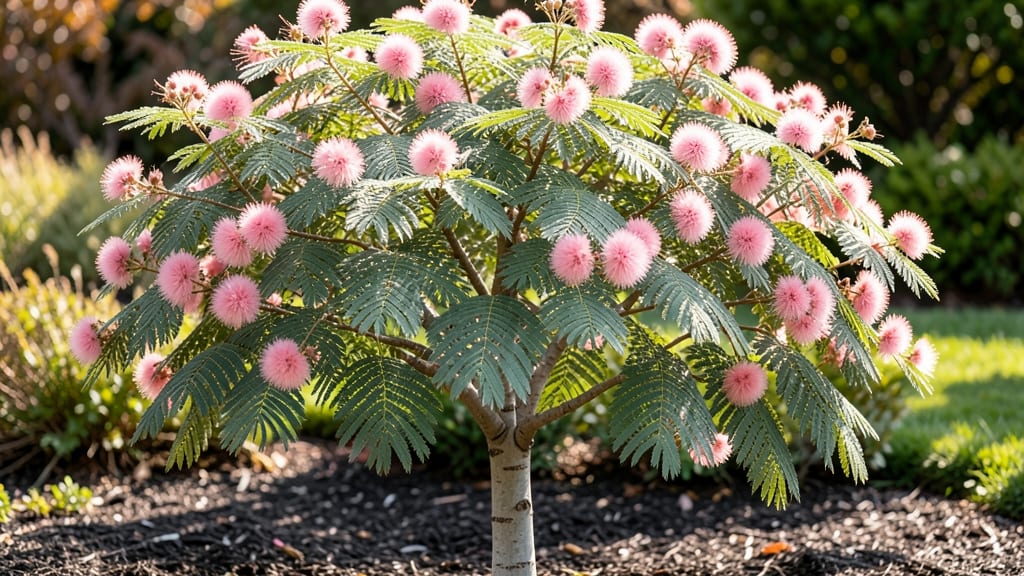
The mimosa tree blooms in late spring to early summer 🌸, turning your garden into a cloud of fragrant pink fluff—but the exact timing depends entirely on where you live.
If you love the delicate, fragrant blooms of the mimosa tree but struggle to predict when they’ll appear, timing is everything—especially since bloom seasons vary wildly by climate zone. Knowing the exact months for your region ensures you never miss the showy pink puffballs that transform your garden.
In warmer zones like 7-11, mimosas often burst into bloom as early as March or April, while cooler areas in Zone 6 might wait until May or June. The difference comes down to temperature, sunlight, and even how you care for the tree.
Below, I’ll break down the exact bloom windows for your zone, share how to extend the season with simple pruning tricks, and reveal the most common mistakes that keep mimosas from flowering on schedule.
Mimosa tree bloom time by USDA climate zones (exact months)
The mimosa tree (Albizia julibrissin) delivers its signature pink, fuzzy blooms in a window that shifts dramatically across USDA Zones 7-11. While most gardeners associate these fragrant flowers with spring, temperature fluctuations and regional microclimates can push blooms earlier or later.
In Zone 7, for example, you might see flowers as early as late April, while Zone 11 gardens often enjoy blooms from February through June. Understanding these patterns helps you plan pruning, fertilizing, and even photography opportunities to capture the show.
One critical factor is the last frost date in your area. Mimosa trees typically bloom 4-6 weeks after frost, but warm spells in winter can trick the tree into blooming prematurely—sometimes as early as February in Zone 9.
Conversely, late spring frosts in Zone 7 can delay blooms until May or even June. Southern California’s Mediterranean climate (Zone 10) often sees mimosas bloom in winter and early spring, while Florida’s humid subtropical Zone 11 extends the season into summer.
Here’s a data-driven breakdown of mimosa bloom times by zone, including regional variations and temperature-driven exceptions:
Notice how Zone 10’s coastal regions (like San Diego) bloom earlier than inland areas due to cooler maritime air. Conversely, desert climates in Zone 9 (e.g., Phoenix) push blooms later into spring because daytime heat stresses the tree.
In humid Zone 11, mimosas often produce a second flush of blooms in late summer if conditions are ideal.
For gardeners in transition zones (e.g., Zone 7b vs. 8a), pay attention to microclimates. A south-facing slope might bloom 2–3 weeks earlier than a north-facing yard. Similarly, urban heat islands can advance bloom times by 10–14 days compared to rural areas.
Use a local weather station or planting calendar to track these shifts year over year.
If you’re in Zone 7 or 8 and want to encourage earlier blooms, consider light winter pruning to remove dead wood before January. This allows the tree to focus energy on spring growth rather than repairing damage.
In warmer zones (9–11), avoid heavy pruning in late winter, as this can delay flowering by 3–4 weeks while the tree recovers.
Temperature also plays a critical role in bloom duration. Mimosa flowers last 3–5 days per cluster, but consistent temperatures between 60°F–75°F maximize their lifespan. Heatwaves above 90°F cause buds to drop prematurely, while cold snaps below 32°F can damage emerging buds.
In Zone 11, where summers are long, mimosas often rebloom in fall if given adequate water and balanced fertilizer.
To track your mimosa’s bloom patterns, mark the first and last bloom dates each year. Over time, you’ll notice trends—like whether your tree blooms earlier after a mild winter or later following a wet spring.
Sharing these observations with local gardening groups can reveal neighborhood-specific variations that aren’t captured in broad zone guidelines.
Pro tip: Plant mimosas near a bench or patio where you can enjoy their fragrance during peak bloom. In Zones 9–11, this might mean morning walks in February
How to extend mimosa bloom season with pruning and care
Extending your mimosa tree bloom season requires strategic pruning and consistent care tailored to your climate zone. Mimosa trees naturally bloom in late spring but can produce second flushes with the right timing.
The key is understanding when to prune and how to adjust soil and watering to encourage delayed or extended blooms.
In warmer zones (8-11), mimosas often bloom earlier and may produce a second bloom cycle in late summer. Meanwhile, cooler zones (6-7) benefit from late-winter pruning to jumpstart growth. The difference comes down to temperature cues and root health—both of which you can influence with targeted care.
- 📅 Late Winter (Zones 6-7): Prune dormant branches to stimulate early blooms by March 1.
- 🌱 Early Spring (All Zones): Apply balanced fertilizer (10-10-10) when buds swell for stronger blooms.
- ☀️ Mid-Summer (Zones 8-11): Lightly prune spent blooms to encourage second flushes by July 15.
- 💧 Consistent Watering: Deep water 2-3x/week during bloom season to prevent bud drop.
- 🌿 Soil Adjustments: Amend clay soil with compost to improve drainage and root oxygen.
Pruning is your most powerful tool for controlling bloom time. For earlier blooms, prune dormant branches in late winter (before buds swell). This removes old wood that competes with new growth, redirecting energy to flower production.
Use clean, sharp shears to make cuts just above bud nodes.
In hotter climates, aim for a second bloom cycle by pruning spent flowers in mid-summer. This mimics the tree’s natural response to heat stress and triggers a renewed flush of blooms. Pair this with light fertilization (half-strength) to avoid leafy growth at the expense of flowers.
Watering plays a critical role in preventing premature bud drop. Mimosa trees are drought-tolerant but need deep, infrequent watering during bloom season. Water at the base of the tree in the early morning to reduce fungal risks and ensure roots absorb moisture before evaporation.
For delayed blooms in cooler zones, focus on soil health. Mimosa trees thrive in well-draining soil with a slightly acidic pH (6.0-7.0). If your soil is compacted or alkaline, amend it with peat moss or sulfur in early spring.
This adjustment helps roots access nutrients faster, promoting earlier flowering.
With these techniques, you can extend your mimosa’s bloom season by 4-6 weeks, turning a single spring display into a year-round spectacle of fragrant pink puffballs.
Start with pruning in late winter, monitor soil moisture, and adjust care based on your local climate—your mimosa will thank you with longer, more abundant blooms! 🌿