
Pruning
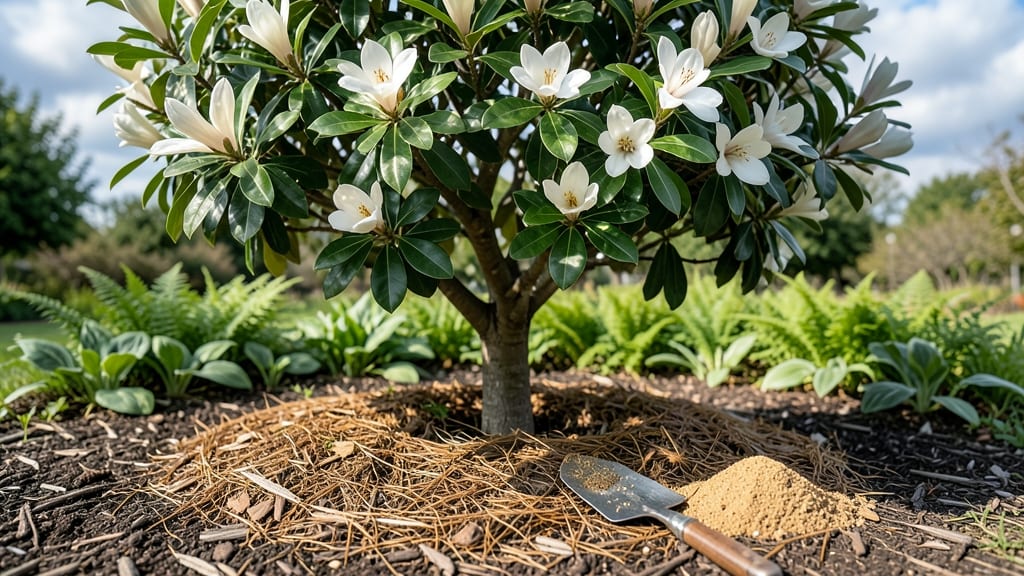
The perfect soil for a magnolia tree 🌸 is the foundation of its health—and getting it wrong can mean the difference between stunning spring blooms and a struggling plant.
Struggling to keep your magnolia tree healthy? The secret lies beneath the surface—in the soil. Get the drainage, pH, and nutrient balance wrong, and even the hardiest magnolia will struggle to thrive.
Magnolias crave well-draining, slightly acidic soil with a pH between 4.5 and 6.5, but many gardeners accidentally create conditions that stunt growth or invite root rot. The right mix of organic matter, sand, and compost keeps roots happy year-round.
In this guide, I’ll break down the exact soil blend your magnolia needs, how to test and adjust pH, and the most common mistakes that sabotage growth—so you can give your tree the ideal foundation for years of lush foliage and fragrant blooms.
Ideal magnolia tree soil composition: drainage, texture, and organic matter breakdown
If you've ever wondered why your magnolia tree looks lackluster despite your best care, the answer often lies in the soil. These majestic trees demand specific soil conditions to thrive—particularly in drainage and organic matter.
Without the right mix, roots suffocate, nutrients wash away, and your tree's stunning blooms become a distant memory. Let's dive into the ideal soil composition that will transform your magnolia into a thriving showstopper.
Magnolias prefer a loamy soil with a texture that balances air pockets and moisture retention. Think of it like a well-aerated sponge—firm enough to hold nutrients but porous enough to let excess water escape.
The optimal organic matter percentage for magnolias sits between 30% and 50%, providing essential nutrients while improving soil structure. This isn't just about throwing compost on top—it's about creating a healthy root environment from the ground up.
Drainage is non-negotiable for magnolias. Poor drainage leads to root rot, a silent killer that can devastate your tree before you even notice. The goal is well-draining soil that allows water to percolate through while retaining enough moisture for roots. Sandy soils drain too quickly, while clay soils hold water like a swamp—neither works for magnolias. The sweet spot? A loamy texture with a mix of sand, silt, and clay.
Let's talk about soil layers—because what's beneath the surface matters just as much as what's on top.
Magnolia roots thrive in a three-layer structure: the top 6-12 inches should be rich in organic matter, the middle layer (12-24 inches) should be loamy with good drainage, and the bottom layer (24+ inches) should be slightly coarser to prevent water pooling.
This stratification mimics their natural forest habitat, where roots spread through different soil textures.
For container-grown magnolias, the rules change slightly. Potted soil needs to drain even faster while retaining moisture. A mix of 50% peat moss, 30% perlite, and 20% compost works wonders.
The key is to avoid compacted soil—roots need oxygen, and containers can trap moisture if not amended properly. Always include a drainage layer of gravel at the bottom of pots to prevent soggy roots.
Testing your soil is the first step toward creating the perfect environment. Grab a handful of moist soil and squeeze it—if it crumbles easily, you're on the right track. If it stays in a tight ball, you've got too much clay.
For a professional analysis, send a sample to your local extension office. They'll test for texture, pH, and organic matter, giving you a clear roadmap for amendments. I once had a client whose magnolia was struggling—turns out, their soil was 80% clay.
After adding sand and compost, the tree bloomed like never before.
Adding organic matter is where the magic happens. Think compost, leaf mold, or well-rotted pine bark. These materials break down slowly, feeding your magnolia's roots over time. Spread a 2-3 inch layer around the base (but keep it 6 inches away from the trunk to prevent rot).
For established trees, top-dress annually in early spring when roots are hungry for nutrients. Pro tip: Mix in a handful of worm castings for an extra nutrient boost.
One common mistake? Over-amending with fresh manure. While it's rich in nutrients, it can burn roots and disrupt soil microbes. Stick to aged compost or slow-release organic matter. Another pitfall is ignoring soil compaction. Heavy foot traffic or machinery can squeeze the life out of your soil.
If your soil feels hard when pressed, it's time to aerate. For young trees, gently fork the soil around the root zone to improve airflow and drainage.
Remember, magnolias are long-term investments. The soil you prepare today will support your tree for decades. Start with a well-amended loam, monitor drainage, and adjust as needed. With the right foundation, your magnolia will reward you with vibrant blooms and lush foliage year after year. Happy planting! 🌸
Magnolia tree soil pH requirements: how acidic should your soil be?
Your magnolia tree's health starts with the right soil pH. These stunning trees thrive in acidic to slightly acidic soil, with an ideal range of 4.5 to 6.5. Too alkaline, and you'll see stunted growth or poor flowering.
Too acidic, and nutrient deficiencies creep in. Finding that sweet spot is key to keeping your magnolia blooming beautifully year after year.
Most gardeners don't realize how sensitive magnolias are to soil chemistry. Even a slight pH shift can affect nutrient availability, especially for iron and manganese, which magnolias need for vibrant foliage.
If your soil tests outside this range, don't panic—simple amendments can bring it back into balance. Let's dive into how to test your soil and make the perfect adjustments.
Testing your soil pH is the first step. Grab a soil test kit from your local garden center—most cost under $10 and give accurate results in minutes. Simply mix a soil sample with distilled water, wait for the color change, and compare it to the kit's chart.
For a more precise reading, send a sample to your local cooperative extension service—they'll analyze nutrients too.
If your soil tests above 6.5, it's too alkaline. To lower the pH, work in elemental sulfur or peat moss. Sprinkle 1-2 pounds of sulfur per 100 square feet and water thoroughly.
For organic gardeners, pine needles or coffee grounds work too—just mix them into the top 6 inches of soil. Re-test in 2-3 months to check progress.
On the flip side, if your soil is below 4.5, it's too acidic. Raise the pH with garden lime (calcium carbonate) or wood ash. Start with 5 pounds of lime per 100 square feet and till it into the soil.
Organic options like crushed eggshells or oyster shell also help. Remember, changes take time—re-test every few months until you hit that 5.0-6.0 sweet spot.
For container-grown magnolias, pH adjustments are easier. Use a pre-mixed acidic potting soil (like a pine bark blend) and top-dress with sphagnum peat moss annually. Avoid tap water, which can raise pH over time—use rainwater or distilled water instead.
With the right pH, your magnolia will reward you with lush foliage and stunning blooms for decades.