
Trees
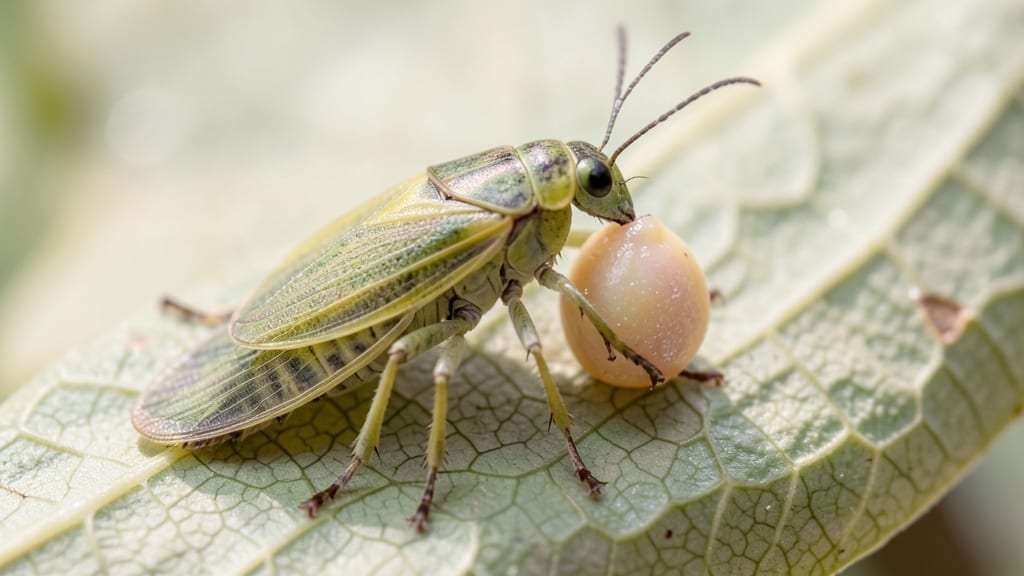
Magnolia trees get hit hardest by pests when their thick leaves hide the damage until it's too late. 🌿 I've seen lace bugs turn glossy foliage yellow overnight, and scale insects drain sap so fast the bark oozes like syrup—both signs your tree is under siege.
The good news? Most infestations respond to early action, and the right strategies keep magnolias thriving without harsh chemicals.
These pests thrive because magnolias grow slowly, so they don't "fight back" like faster-growing trees. Scale insects smother branches, lace bugs skeletonize leaves, and webworms spin unsightly nests that block sunlight. The damage often starts at the tips of branches, where sprays and sprays miss—making pruning and targeted treatments critical.
I've found that 2-3 applications of horticultural oil in spring and summer stops infestations before they spiral.
You'll know it's working when new leaves stay dark green and free of stippling, and no more sticky residue coats the branches. The key is checking the undersides of leaves weekly during peak pest season (May through July).
Natural predators like ladybugs and parasitic wasps do most of the work, but they need a boost when pests explode—so I add neem oil or insecticidal soap to give them an edge.
Prevention is easier than cleanup: prune out infested branches in late winter, keep the tree healthy with balanced fertilization, and avoid overwatering (which attracts scale).
Even established trees respond well when you catch problems early—my 20-year-old Southern magnolia hasn't needed chemical sprays in five years, just consistent monitoring and a little elbow grease.
Root Causes of Magnolia Pest Attacks
Magnolia trees are stunning additions to any landscape, but their lush foliage and sweet fragrance make them prime targets for insects. Understanding why these pests invade helps you take proactive steps to protect your tree.
Below are the key reasons magnolia trees attract insects—and how their biology plays into the problem.
🌱 Stress from Poor Health Magnolias with compromised immune systems—often due to nutrient deficiencies, improper watering, or disease—become easy prey for insects. A stressed tree can’t produce enough resins or volatile oils (natural insect repellents), leaving it vulnerable.
- Signs of stress:
- Yellowing leaves (chlorosis)
- Wilting or drooping branches
- Stunted growth or premature leaf drop
- Why it matters: Insects like magnolia scale, webworms, and lace bugs detect weakened trees through chemical cues and target them first.
💡 Pro Tip: Regular soil testing and balanced fertilization (especially with nitrogen, phosphorus, and micronutrients like zinc) can strengthen your tree’s defenses.
🌞 Warm, Humid Climates Many magnolia pests—such as magnolia shoot borers and aphids—thrive in warm, humid conditions, which are common in the Southeast U.S. (where magnolias are native). These insects reproduce rapidly when temperatures rise above 70°F (21°C) and humidity stays high.
- Peak risk periods:
- Spring (new growth attracts aphids and scales)
- Summer (webworms and borers are most active)
- Why it matters: Stagnant water near the tree base or dense foliage creates microclimates that pests love.
🌡️ Pro Tip: Improve air circulation by pruning overgrown branches and avoiding overhead watering to reduce humidity around the tree.
🍯 Sweet Sap & Flowers Magnolias produce high-sugar sap and fragrant blossoms, which are irresistible to sap-sucking insects like:
- Magnolia scale (feeds on sap)
- Lace bugs (thrive on tender new leaves)
- Japanese beetles (drawn to flowers)
- Why it matters: Some insects are pollinators by day but pests by night, making magnolias a double-edged attraction.
✨ Pro Tip: Prune spent flowers in early summer to remove food sources for beetles and scales before they lay eggs.
🌿 Dense Foliage Hides Pests Thick, unpruned magnolias provide shelter for insects like webworms and spider mites, which spin protective webs in shaded areas. Overgrown trees also retain moisture, creating ideal breeding grounds.
- Common hiding spots:
- Underside of leaves (lace bugs)
- New shoots & buds (shoot borers)
- Cracks in bark (scale insects)
- Why it matters: Early detection is harder when pests are well-hidden.
🔪 Pro Tip: Thin out dense branches in late winter to improve sunlight penetration and make inspections easier.
🐞 Missing Beneficial Insects Healthy ecosystems have natural predators (like ladybugs, parasitic wasps, and birds) that keep pest populations in check. If your yard lacks diverse plantings or wildlife, magnolia pests can explode unchecked.
- Common predators of magnolia pests:
- Lady beetles (eat aphids & scales)
- Praying mantises (hunt caterpillars)
- Parasitic wasps (control borers)
- Why it matters: Without these helpers, pests reproduce uncontrolled, leading to defoliation or even tree death.
🌿 Pro Tip: Plant native companion plants (like yarrow or dill) to attract beneficial insects and create a balanced ecosystem.
🚛 Unintentional Pest Transport Pests often hitchhike on:
- New nursery plants (infested with scales or borers)
- Firewood or mulch (harboring eggs)
- Wind-blown debris (spreading larvae)
- Why it matters: A single infested plant can contaminate an entire garden in weeks.
🛡️ Pro Tip: Quarantine new plants for 2–4 weeks, inspect them thoroughly, and avoid bringing in unwashed garden tools from infested areas.
Natural Fixes for Tree Pests
When your magnolia tree becomes a buffet for unwanted critters, acting quickly with the right solutions can save its health—and your peace of mind. Below, we’ve mapped out practical, nature-friendly fixes tailored to common magnolia pests, from chewers to sap-suckers, plus prevention tips to keep your tree thriving long-term.
Cause: Webworms and leaf tiers spin silky nests, devouring leaves and stunting growth. Fix: 🔥 Manual Removal (Best for Small Infestations)
- 👨🍳 Wrap & Shake: Use a long stick or broom to dislodge webs, then drop them into a bucket of soapy water (1 tbsp dish soap per gallon). Repeat weekly until nests vanish.
- 🌿 Prune & Dispose: Trim heavily infested branches in late winter or early spring (before eggs hatch). Bag and trash the clippings—do not compost!
🍳 Biological Controls (Long-Term Defense)
- 🐛 Introduce Parasitic Wasps: Tiny Trichogramma wasps lay eggs inside webworm eggs, killing them naturally. Order from garden centers or online suppliers.
- 🐸 Encourage Bird Friends: Orioles and wrens feast on caterpillars. Hang suet feeders or plant berry bushes nearby to attract them.
💡 Pro Tip: Apply neem oil (1% solution) to foliage in evening to suffocate larvae without harming bees. Reapply after rain.
Cause: These sap-suckers cluster on stems/leaves, leaving sticky "honeydew" that attracts mold. Fix: 🔪 Physical Removal (Gentle but Effective)
- 🧼 Soap Spray: Mix 1 tbsp horticultural oil + 1 tsp mild castile soap per gallon of water. Spray infested areas directly (avoid flowers). Repeat every 5–7 days for 3–4 weeks.
- 🧴 Rubbing Alcohol Test: For stubborn clusters, dab 70% isopropyl alcohol on a cotton swab to dissolve scales. Test on a small area first!
🌡️ Heat Treatment (For Stubborn Cases)
- 🔥 Hose Blasts: On a warm, sunny day, blast infested branches with water at 110°F+ for 10–15 seconds to kill eggs and adults. Use a pressure nozzle (like a Garden Safe Sprayer).
✨ Prevention:
- 🌿 Mulch Wisely: Keep mulch 3–4 inches away from the trunk to deter scale hiding spots.
- 🐝 Beneficial Insects: Release ladybugs or green lacewings (available at garden stores) to prey on mealybugs.
Cause: These armored pests burrow into bark, weakening the tree over time. Fix: 🍳 Dormant Oil Spray (Best in Winter)
- ⏰ Timing: Apply dormant oil (like Safer® Brand Dormant Spray) in late fall or early spring (before buds swell). Cover the entire tree, including bark crevices.
- 🌿 Follow-Up: After blooming season, repeat with neem oil to catch any survivors.
🔥 Scrape & Seal (For Heavy Infestations)
- 🧹 Scrape Off: Use a plastic putty knife to scrape scales from bark. Dispose of debris in a sealed bag.
- 🛡️ Seal Wounds: Apply pruning sealant to scraped areas to prevent fungal infections.
💡 Pro Tip: If the tree is severely weakened, consult an arborist—they may recommend systemic insecticides (like imidacloprid) as a last resort.
Cause: These metallic-green beetles skeletonize leaves overnight. Fix: 🔪 Handpicking (Best for Small Gardens)
- 🕳️ Drop Them In: Fill a bucket with soapy water and a few drops of dish soap. Shake beetles into it daily (morning/evening).
🌿 Traps (Use with Caution!)
- ⚠️ Warning: Place Japanese beetle traps far from your tree (they attract more beetles!). If you must use them, check traps weekly and drown beetles immediately.
- 🌸 Flower Power: Plant marigolds, geraniums, or roses nearby—beetles prefer these over magnolias!
🌡️ Milky Spore Treatment (Long-Term)
- 🔬 Soil Application: Spread milky spore powder (a natural bacteria) around the tree’s drip line. It takes 1–2 years to establish but eliminates grubs for decades.
- 🌿 Healthy Soil = Strong Defense: Test soil pH (magnolias prefer 5.0–6.0) and amend with compost for vigor. - 🌧️ Water Deeply: 1 inch per week encourages deep roots, making trees less attractive to pests. - 🚫 Avoid Over-Fertilizing: Too much nitrogen = soft, tasty leaves.
Use a balanced 10-10-10 fertilizer in spring. - 👀 Monitor Monthly: Inspect undersides of leaves and new growth for early signs of pests.
Remember: Patience is key—some fixes take weeks to show results. Combine methods for the best outcome, and your magnolia will reward you with lush foliage and stunning blooms for years! 🌸
Frequently asked questions
What are the most common insects that attack magnolia trees?
The top culprits include magnolia scale (tiny armored bugs that leave sticky residue), lace bugs (which cause stippling on leaves), webworms (creating silky nests), and Japanese beetles (skeletonizing foliage). Each targets different parts of the tree—scales attack bark, lace bugs feed on leaf undersides, and webworms spin protective webs in branches.
How do I tell if my magnolia has an insect problem?
Look for sticky honeydew on leaves (scale insects), yellow stippling on upper leaf surfaces (lace bugs), or silky webs in branches (webworms). Japanese beetles leave irregular holes in leaves. Check the undersides of leaves and new growth first—these are hotspots for pests.
Can I use neem oil on my magnolia tree?
Yes! Neem oil is excellent for scale, lace bugs, and webworms. Mix 1 tablespoon with 1 quart of water and 1 teaspoon of mild soap, then spray thoroughly (covering both sides of leaves). Apply in the evening to avoid harming bees, and repeat every 7-10 days until pests decline. It’s safe for all magnolia types once fully bloomed.
Will pruning help control magnolia pests?
Prune infested branches in late winter or early spring (before pests wake up) and dispose of them in sealed bags. Thin out dense foliage to improve airflow and sunlight penetration, which makes inspections easier and discourages pests. Focus on new shoots and branch tips—these are prime hiding spots.
Are there natural predators that help with magnolia pests?
Yes! Ladybugs and green lacewings eat aphids and scales, while parasitic wasps target webworm eggs. Birds like orioles and wrens feast on caterpillars. Plant native flowers (like yarrow or dill) nearby to attract these helpers. Release them in the early morning or evening when temperatures are cooler.