
Pruning
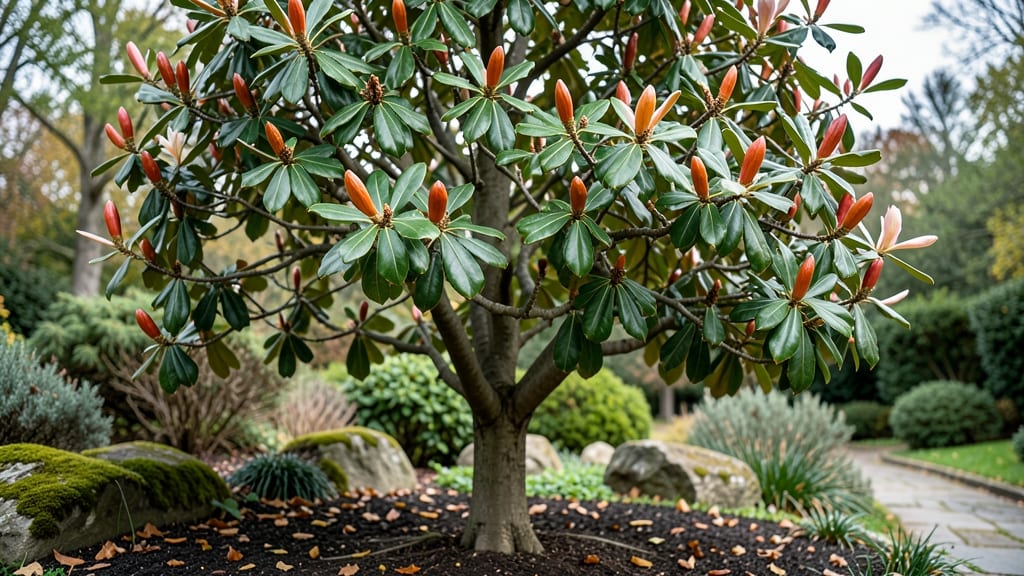
Those bright red magnolia berries aren’t just pretty—they’re the secret to a thriving tree. 🌿 I’ve learned that proper pruning transforms a sparse harvest into a year-round bounty, and it all starts with understanding how these berries form.
Magnolias produce fruit after pollination, and the right cuts encourage stronger growth where berries develop.
Most gardeners skip pruning magnolias entirely, but that’s the mistake. Focus on removing dead or crossing branches in late winter—this opens the canopy to sunlight, which is critical for berry development.
I’ve seen trees go from producing just a handful of berries to covering entire branches in just two seasons of proper pruning.
You’ll end up with clusters of berries that last from fall through winter, attracting birds and adding color to your garden. The berries themselves aren’t edible for humans, but they’re a magnet for wildlife and make your yard feel alive.
Plus, the tree’s overall health improves, leading to bigger blooms next spring.
This method works for both small patio magnolias and towering backyard specimens. The key is timing and technique—never prune during active growth periods, and always use clean, sharp tools. Here’s how to get started without stressing the tree.
📚 In This Guide
- What you need
- Instructions
- Tips and common mistakes
- Wrapping up and next steps
What you need
- ● Pruning shears: Bypass pruners (for small branches, ¼”–½” thick) – 1 pair (e.g., Felco F-2 or Corona Tools)
- ● Loppers: For medium branches (½”–1½” thick) – 1 pair (e.g., Fiskars X7)
- ● Pruning saw: For thick branches (1½”+) – 1 handheld or folding saw (e.g., Bahco Laplander)
- ● Disinfectant: 70% isopropyl alcohol or 1 part bleach : 9 parts water – small spray bottle
- ● Gloves: Heavy-duty gardening gloves (cut-resistant) – 1 pair
- ○ Safety gear: Safety glasses + long sleeves (optional but highly recommended)
- ● Know your magnolia: Identify if it’s evergreen (e.g., Southern Magnolia) or deciduous (e.g., Star Magnolia) – berries ripen differently!
- ● Best timing: Prune after flowering (late spring/early summer) or dormant season (late winter/early spring).
- ● Weather check: Choose a dry, overcast day (avoid pruning when branches are wet or frozen).
- ○ Cleanup supplies: Heavy-duty trash bags (for debris) + compost bin (optional, for healthy disposal).
How to prune magnolia trees for healthy, productive berries
Here's the method I've used for years to keep my magnolias flowering and fruiting beautifully.
✂️ Step 1: Time Your Pruning for Maximum Berry Production
Prune magnolias immediately after their spring flowering season, around late April to early May when the berries are still small and green. This timing ensures you remove spent blooms while leaving enough foliage to support fruit development. Never prune in fall or winter—you'll cut off next year's flower buds that form on old wood.
Watch for the berries to swell to about pea size before pruning. This is your cue that the tree has set fruit and you can safely shape the canopy. I always mark my calendar with the flowering date so I don't miss this critical window.
✂️ Step 2: Remove Dead, Diseased, or Crossing Branches
Start by cutting out any branches that are dead, diseased, or rubbing against others. Use clean, sharp pruners to make 1/4-inch cuts just above an outward-facing bud. Magnolias respond poorly to heavy pruning, so only remove what's absolutely necessary—never take more than 25% of the canopy in one season.
Look for branches growing straight upward or inward—they'll never produce berries and compete with productive limbs. Cut these at their base, then step back to visualize the tree's natural shape. You'll notice how the remaining branches form a more open structure that allows sunlight to reach all fruit clusters.
✂️ Step 3: Thin the Canopy for Better Airflow and Light
Selectively thin the interior branches to improve airflow and sunlight penetration. Aim to remove every 3rd or 4th branch starting from the bottom, working your way up. This creates a more open center where berries can develop fully without shading each other.
Make your cuts just outside the branch collar where it meets the trunk. You'll see a slight swelling—this is where the tree naturally seals the wound. Avoid leaving stubs, as they invite disease. After thinning, you should be able to see light through the canopy when standing beneath the tree.
🌿 Step 4: Shape for Optimal Berry Display
Lightly shape the outer branches to create a balanced silhouette while maintaining the tree's natural form. Magnolias don't need formal pruning—they reward you for working with their inherent structure. Focus on removing branches that grow too close together or create dense clusters.
Step back frequently to check your progress. The goal is a tree that looks full but not overcrowded. You'll notice how the berries develop more evenly when branches aren't competing for sunlight. Avoid heavy pruning of horizontal branches—they produce the most fruit.
⏰ Step 5: Post-Pruning Care for Berry Development
Water deeply at the base after pruning to help the tree recover. Magnolias need 1-2 inches of water weekly during dry periods, especially when berries are forming. Apply a 2-3 inch layer of mulch around the base (keeping it 6 inches from the trunk) to retain moisture and protect roots.
Monitor the tree for new growth in spring. You'll see fresh leaves emerge along the branches you pruned—this is a sign the tree is healing well. Avoid fertilizing immediately after pruning, as new growth stimulated by fertilizer will be more vulnerable to winter damage.
Tips & tricks for perfect magnolia tree pruning
Real talk: Pruning magnolias is where patience pays off big time for berry lovers. These small tweaks make all the difference between a tree that just survives and one that thrives with fruit.
Timing is Everything: That late April to early May window is non-negotiable. I learned this the hard way after pruning too early and accidentally cutting off next year's flower buds. Mark your calendar when you see those first blooms appear—you'll want to prune about 4-6 weeks later when berries are pea-sized. This timing ensures you remove spent flowers while leaving foliage to support fruit development.
Precision Cuts Matter: When making those 1/4-inch cuts just above outward-facing buds, take your time. I use a sharp pruner and make a clean cut at a slight angle—this prevents water from pooling on the wound and causing rot. For thicker branches, I make a second cut just outside the branch collar where it meets the trunk. This technique helps the tree heal faster and look more natural.
Visualize the Canopy: Step back frequently during Steps 3 and 4 to check your progress. I find it helpful to imagine sunlight filtering through the branches—you should be able to see light through the canopy when you're done. This open structure prevents berries from shading each other and ensures even fruit development. Think of it as creating a natural trellis system for your berries.
Pro Tips for Magnolia Tree Berries
- Real talk: Pruning magnolias is where patience pays off big time for berry lovers.
- Timing is Everything: That late April to early May window is non-negotiable.
- Precision Cuts Matter: When making those 1/4-inch cuts just above outward-facing buds, take your time.
Frequently asked questions
Got questions about magnolia tree berries?
You’re not alone! Whether you’re a pruning pro or a curious gardener, these answers will help you grow the best fruit year-round.
When is the best time to prune magnolia trees for berry production?
Prune your magnolia tree after it blooms in late spring or early summer. Avoid pruning in fall or winter—this can damage flower buds and reduce next year’s berries. Light shaping in late summer (after berries form) is also safe but minimal.
Will pruning magnolia trees increase berry production?
Yes! Pruning improves airflow and sunlight, which boosts berry production. Focus on removing dead, crossing, or overcrowded branches—this encourages new growth where berries thrive. Just avoid heavy pruning, as magnolias rely on mature wood for fruit.
Why aren’t my magnolia tree berries ripening?
Berries may fail to ripen due to poor pollination (magnolias need insects like beetles), over-pruning (removing too many branches), or nutrient deficiencies (add compost or a balanced fertilizer in early spring). Check for pests too—aphids or scale can stress the tree.
Can I eat magnolia tree berries, and are they safe?
Most magnolia berries are not edible and can be toxic if ingested (especially unripe ones). However, some varieties like Magnolia grandiflora produce edible seeds when fully ripe (bright red/purple). Always research your specific magnolia type before consuming!
What’s the best way to propagate magnolia berries from cuttings?
Magnolia berries don’t grow from seeds easily—propagate via semi-hardwood cuttings in late summer. Take 4–6 inch cuttings, dip in rooting hormone, and plant in moist perlite. Keep humidity high (use a plastic bag) and wait 6–8 weeks for roots. Patience is key!
Wrapping up and next steps
Magnolia tree berries may seem delicate, but with the right pruning techniques, you can unlock a year-round harvest of vibrant, healthy fruit! 🌿 From selecting the best tools to timing your cuts and addressing common challenges, this guide gives you all the know-how to keep your magnolia thriving.
Remember, patience and precision are key—your efforts will pay off in stunning blooms and bountiful berries.
Ready to take your magnolia care to the next level? Grab your pruners and start planning your next pruning session! Whether you’re a seasoned gardener or a beginner, every trim brings you closer to a lush, fruitful tree. Happy pruning! 🌟