
Blooming
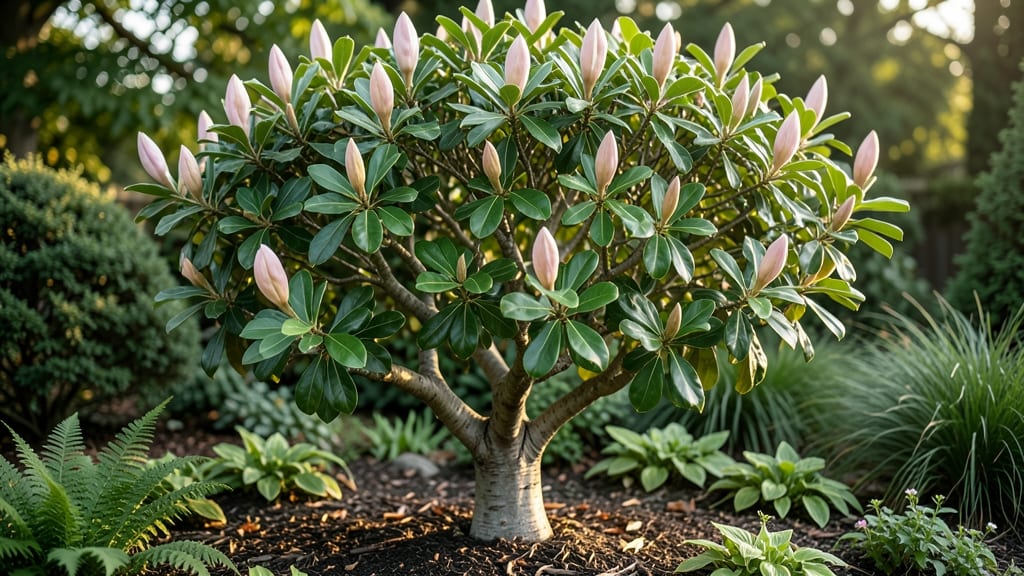
Your magnolia tree before bloom looks like a lush, leafy puzzle waiting to unfold. 🌿 The thick, glossy foliage and sturdy branches create a striking silhouette long before the iconic blooms arrive, and understanding this pre-bloom phase is key to keeping your tree healthy and vibrant.
Early signs of blooming appear in late winter as tight, green buds form along the branches. These buds will eventually swell and turn pink or purple, signaling the approaching spring show.
Pruning during this dormant season helps shape the tree and encourages stronger blooms, but timing matters—wait until after the buds form but before they open. The ideal planting time for new magnolias is fall, giving roots time to establish before winter.
For established trees, focus on seasonal maintenance: mulching in winter, watering deeply during dry spells, and pruning in late winter to early spring. This routine keeps your magnolia thriving year-round. Recognizing these pre-bloom cues makes all the difference.
With the right care, your magnolia will reward you with showstopping blooms that turn heads in your landscape. Let’s get your tree ready for its grand entrance!
📚 In This Guide
- What you need
- Instructions
- Tips and common mistakes
- Wrapping up and next steps
What you need
- ● Pruning shears: Bypass pruners (sharp, 6–8" blades) for clean cuts on small branches. Quantity: 1 pair.
- ● Loppers: Long-handled (for branches ½–2" thick). Quantity: 1 pair.
- ● Pruning saw: Curved-tooth for thick branches (2"+). Quantity: 1.
- ● Gloves: Heavy-duty, cut-resistant (to protect from thorns and sap). Quantity: 1 pair.
- ● Disinfectant: 70% isopropyl alcohol or bleach solution (1 part bleach to 9 parts water) to sterilize tools between cuts. Quantity: Small spray bottle or wipe.
- ○ Pruning sealant: Optional but recommended for large cuts (e.g., Tanglefoot Tree Wound Pruning Seal). Quantity: Small tube.
- ● Extension pole: Adjustable (for high branches). Quantity: 1 (if needed).
- ● Safety glasses: Protective (to shield eyes from debris). Quantity: 1 pair.
- ● Ladder: Sturdy, non-slip (if tree exceeds 6–8 ft). Quantity: 1.
- ● Work boots: Steel-toe or waterproof for stability.
- ○ Tree bag or tarp: For collecting debris (optional but tidy!).
- ● Camera: Smartphone or DSLR to document progress (because #BeforeAndAfter!).
Step-by-step guide to pruning magnolias before bloom
Timing and technique are everything—prune at the right moment to encourage vibrant blooms.
✂️ Step 1: Wait for Post-Bloom Timing
Prune your magnolia after the flowers fade but before new growth hardens in late spring. This is usually 4-6 weeks after bloom, when you’ll notice spent blooms dropping naturally. Pruning too early risks cutting off next year’s flower buds, which form on old wood.
Look for new leaf growth on branches—this signals the tree has finished flowering for the season. I always check for dormant flower buds (small, rounded swellings) before making any cuts. These buds are your priority—never prune them off by accident.
✂️ Step 2: Remove Dead, Diseased, or Crossing Branches
Start by inspecting the tree for dead branches (no leaves, brittle wood) or diseased wood (discolored, oozing sap). Use clean, sharp pruning shears to make 45-degree cuts just outside the branch collar—the swollen area where the branch meets the trunk. This prevents unsightly stubs and promotes faster healing.
Next, target crossing or rubbing branches that create weak points. These branches compete for energy and often lead to splits. I like to remove the smaller of the two branches to maintain the tree’s natural shape. Always cut back to a healthy lateral branch or bud to encourage new growth.
✂️ Step 3: Thin Out Dense Growth for Airflow
Magnolias can get leggy or overly dense, which reduces airflow and invites fungal issues. Focus on selective thinning—remove up to 20% of the canopy to open it up. Aim for an open, vase-like shape that lets sunlight reach the center of the tree.
I look for branches that grow straight up or inward and make clean cuts at the branch collar. Avoid "lion-tailing" (cutting back to a stub)—this stresses the tree. Instead, prune back to a lateral branch or outward-facing bud. You’ll see immediate improvement in airflow and future bloom quality.
✂️ Step 4: Shape for Future Blooms
Lightly shape the tree by shortening overlong branches by no more than one-third of their length. This encourages bushier growth and more flower buds. Avoid heavy pruning—magnolias bloom on old wood, so aggressive cuts can reduce next year’s flowers.
Step back often to visualize the tree’s form. I like to create a slightly rounded top with an open center. Avoid pruning the lower third of the tree unless absolutely necessary—this area often produces the most flowers. Finish by cleaning up all fallen debris to prevent pests or disease.
💧 Step 5: Post-Pruning Care
Water the tree deeply right after pruning to help it recover. Apply a 2-3 inch layer of mulch (like shredded bark) around the base, keeping it 6 inches away from the trunk. This retains moisture and regulates soil temperature, which is especially important for newly pruned trees.
Monitor the tree for new growth in the following weeks—this means your pruning worked! Avoid fertilizing immediately, as fresh cuts are vulnerable to stress. If you notice any oozing sap or discoloration, apply a wound dressing (like tree sealant) to protect the cut until it heals.
Tips & tricks for perfect magnolia pruning
Timing and precision make all the difference when shaping your magnolia for stunning spring blooms.
The Right Time is Everything: Those 4-6 weeks after bloom are your window—don't rush it! I've seen gardeners prune too early and completely miss next year's flowers because they accidentally cut off those precious dormant buds. Look for the telltale sign: when new leaves start pushing out but haven't fully hardened, that's your cue. The buds will look like tiny green marbles along the branches.
Cutting Technique Matters: That 45-degree angle isn't just for looks—it's crucial for proper healing. When you make your cuts just outside the branch collar, you're actually encouraging the tree to seal itself more effectively. I always clean my pruners between cuts to prevent spreading any potential diseases from diseased branches to healthy ones. And remember, never leave stubs—those are like open wounds that invite pests and infections.
Shape with Purpose: The 20% canopy thinning rule is your guide for airflow, but don't just cut randomly. Step back often to visualize how each cut affects the overall shape. I aim for a slightly rounded top with an open center—this lets sunlight reach all the branches where those flower buds form. The lower third is especially important for blooms, so only prune there if absolutely necessary.
Post-Pruning Care Prevents Problems: That immediate deep watering and mulch application right after pruning isn't just a suggestion—it's critical. Think of it like first aid for your tree. The 2-3 inch mulch layer helps regulate soil temperature while keeping moisture in, and that 6-inch clearance from the trunk prevents rot. Watch for new growth in the weeks after as your sign that everything's working.
Pro Tips for Magnolia Tree Before Bloom
- Timing and precision make all the difference when shaping your magnolia for stunning spring blooms.
- The Right Time is Everything: Those 4-6 weeks after bloom are your window—don't rush it! I've seen gardeners prune to...
- Cutting Technique Matters: That 45-degree angle isn't just for looks—it's crucial for proper healing. When you make y...
Frequently asked questions
Got questions about your magnolia tree before bloom? You’re not alone! Here are some of the most common queries—plus quick, actionable answers to help you prep like a pro.
When is the best time to prune a magnolia tree before it blooms?
Prune your magnolia right after flowering (late spring to early summer) to avoid cutting off next year’s buds. If you’re dealing with dead or diseased branches, remove them anytime—just avoid heavy pruning in fall or winter, as this can stress the tree and delay blooms. Pro tip: Use sharp, clean tools to prevent damage!
Can I prune a magnolia tree in early spring before it blooms?
It’s not recommended to prune magnolias in early spring because you risk removing flower buds that formed the previous year. These buds appear in late summer/fall, so pruning too early can mean fewer or no blooms that season. Wait until after the flowers fade to play it safe!
What if my magnolia tree isn’t blooming at all? Could pruning help?
If your magnolia is skipping blooms, it might need a little TLC. First, check for over-pruning, poor sunlight, or nutrient deficiencies. Lightly prune to improve airflow, and fertilize in early spring with a balanced, acidic fertilizer (like 10-10-10). If the issue persists, consider whether your tree is mature enough—young magnolias often take 3–5 years to bloom!
How much should I trim off a magnolia tree before bloom season?
Keep it minimal—never remove more than 25% of the canopy in a single session. Focus on dead, crossing, or overcrowded branches. For shape, trim just enough to open up the center and encourage airflow. Magnolias bloom on old wood, so aggressive cuts can reduce next year’s flowers. Think “less is more”!
Are there any alternatives to pruning if my magnolia looks messy?
If pruning feels risky, try selective thinning instead of heavy cuts. Remove only the most problematic branches (e.g., those rubbing together or growing inward). You can also mulch well and fertilize to promote healthier growth. For a quick fix, tuck in wayward branches with soft ties until you’re ready for a full prune post-bloom.
What should I do if I accidentally prune off flower buds?
Don’t panic! Magnolias are resilient. If you’ve cut buds by mistake, avoid further pruning that season and focus on watering deeply and keeping the soil moist. The tree may still produce some blooms from remaining buds, and next year’s flowers will form on new growth. Just monitor for stress signs (like wilting or yellow leaves) and adjust care accordingly.
Wrapping up and next steps
Watching your magnolia tree before bloom transform into a stunning spectacle is incredibly rewarding! With the right pruning techniques—like shaping in late winter or early spring—you’ll encourage healthier growth and breathtaking flowers. Remember, patience and precision are key, so don’t rush the process.
Ready to give your magnolia the care it deserves? Grab your tools, follow the steps, and get ready to enjoy a showstopping spring display! 🌸✨ Next up: Track your magnolia’s progress with a simple growth journal or share your pruning tips with fellow gardening enthusiasts!