
Container Gardens
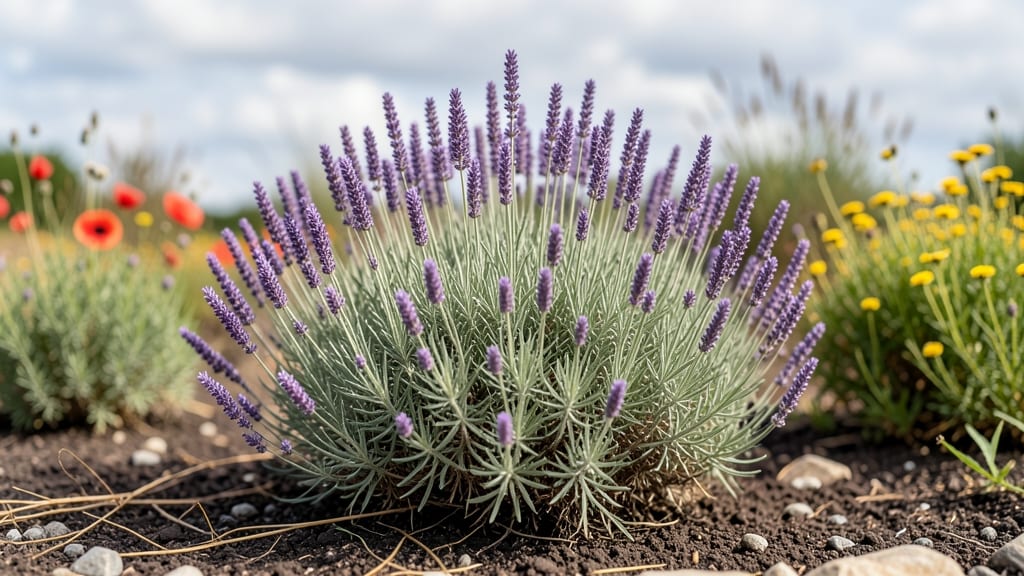
A lavender tree potted transforms any small patio into a fragrant oasis—no yard required. 🌿 I’ve grown mine in containers for years, and the key is mimicking its Mediterranean roots: dry soil, bold sun, and just enough space to keep it compact.
The difference between a thriving shrub and a sad, leggy plant often comes down to these three factors alone. Terracotta pots work best—they wick away excess moisture—but fabric grow bags also prevent soggy roots.
Mix one-third coarse sand with two-thirds potting soil (add a handful of perlite for extra drainage), and you’ll avoid the #1 killer of potted lavender: root rot. Water only when the top inch feels bone-dry, and never let it sit in saucers.
By late summer, your plant will reward you with woody stems and silvery foliage, plus those signature lavender blooms. Prune lightly after flowering to shape it, but never cut into old wood—this tree hates being forced into youth.
In colder zones, move pots to a sheltered spot or wrap the base in burlap for winter. The payoff? A year-round fragrance machine that stays neatly contained. Even my first attempt—after overwatering it for a month—survived with these tweaks. Ready to try?
📚 In This Guide
- What you need
- Instructions
- Tips and common mistakes
- Wrapping up and next steps
What you need
- ● Lavender Tree (Lavandula dentata or Lavandula angustifolia 'Hidcote') – Choose a healthy, potted lavender tree (3–5 gallons recommended for mature plants).
- ● Container with drainage holes – A 12–18-inch diameter pot (terra cotta or fabric) to prevent root rot. 💡 Pro tip: Ensure it’s at least 20% larger than the root ball!
- ● Well-draining potting mix – A blend of 50% cactus/succulent mix and 50% perlite or coarse sand (avoid heavy garden soil).
- ○ Gravel or pumice (optional but recommended) – A 2–3 inch layer at the bottom for extra drainage.
- ● Gloves – To protect your hands from rough stems.
- ● Trowel or small shovel – For planting and soil adjustments.
- ● Watering can with a narrow spout – To avoid overwatering.
- ● Pruning shears – For shaping and maintaining height (sterilize with rubbing alcohol!).
- ● Sunlight access – 6+ hours of full sun daily (lavender thrives in bright light!).
- ○ Slow-release fertilizer (optional) – A balanced 10-10-10 or low-nitrogen option (apply sparingly in spring).
Step-by-step instructions for growing a potted lavender tree
Here's how to cultivate a fragrant, compact lavender tree in containers—perfect for small balconies or patios.
🌱 Step 1: Select the Right Lavender Variety and Container
Choose a compact lavender variety like 'Lavandula angustifolia 'Hidcote' or 'Lavandula x intermedia 'Grosso'—both grow well in containers and stay under 3 feet tall with proper pruning. Avoid sprawling types like English lavender, which need more space.
Use a pot with drainage holes at least 12-15 inches deep and wide (one per plant). Terracotta pots work best—they breathe and prevent root rot. If your pot lacks drainage, drill ¼-inch holes along the bottom. Place a 2-inch layer of gravel or broken pottery in the base to improve airflow and drainage.
🪴 Step 2: Prepare the Soil and Plant the Lavender
Fill the pot with a well-draining potting mix—avoid garden soil, which compacts and suffocates roots. I blend 60% cactus/succulent mix, 30% perlite, and 10% coarse sand for ideal aeration. Moisten the mix slightly before planting to help roots establish faster.
Dig a hole twice as wide as the root ball but no deeper. Gently remove the lavender from its nursery pot and loosen the roots if they’re circling. Place the plant so the top of the root ball sits ½ inch below the pot’s rim. This prevents soil from washing away during watering. Backfill with the prepared mix, pressing lightly to eliminate air pockets.
☀️ Step 3: Position for Full Sun and Water Correctly
Lavender thrives in full sun—place your pot in a south- or west-facing spot where it gets at least 6-8 hours of direct sunlight daily. Without enough light, stems stretch and flowers become sparse. If you’re in a shady area, supplement with a grow light for 12-14 hours per day.
Water deeply but infrequently—lavender hates soggy roots. Let the top 2 inches of soil dry out completely between waterings. Stick your finger in the soil: if it feels dry, water until it drains from the bottom holes. Overwatering is the fastest way to kill potted lavender. After watering, empty any excess from the saucer to prevent root rot.
✂️ Step 4: Prune for Shape and Encourage Bushiness
Prune your lavender right after flowering (late spring to early summer) to maintain its tree-like shape. Use clean, sharp pruners to trim back ⅓ of the new growth—this encourages dense, bushy growth. Avoid cutting into old wood, as lavender struggles to regrow from mature stems.
Shape the plant by trimming the outer branches slightly longer than the center. This creates a natural tiered effect. If your lavender grows leggy, it needs more light or has been overwatered. Deadhead spent blooms in early fall to redirect energy into next year’s growth. Never prune in fall or winter—new growth won’t harden off before cold snaps.
⏰ Step 5: Winterize and Maintain Year-Round
In zones 5-7, protect your potted lavender from winter winds and frost. Move it to a sheltered spot or wrap the pot in burlap. Mulch the soil surface with 1-2 inches of straw to insulate roots. In colder zones (below 5), dig up the plant, trim back ⅓ of the foliage, and store it in a cool, dry place (like a garage) until spring.
Fertilize lightly once in early spring with a balanced, slow-release fertilizer (like 10-10-10). Too much nitrogen makes lavender grow leafy but flowerless. Every 2-3 years, repot into a slightly larger container** (just 1-2 inches wider) to refresh the soil. Lavender in the same pot too long becomes root-bound and stressed.
Tips & tricks for perfect potted lavender trees
Here’s what I’ve learned from years of growing compact lavender in containers—these little details make all the difference for a thriving, fragrant plant.
Variety Matters: The compact varieties like 'Hidcote' and 'Grosso' are specifically bred for containers, but even within these, pay attention to the plant’s natural growth habit. If you notice your lavender starting to sprawl beyond the 3-foot mark, it’s likely not the right variety for potted growth. Look for labels that specify "compact" or "dwarf" when shopping for nursery plants. This ensures you’re working with a plant that naturally stays within your space constraints.
Drainage is Non-Negotiable: I can’t stress this enough—lavender roots need excellent drainage to thrive. If your pot doesn’t have drainage holes, drilling them yourself is worth the effort. For extra insurance, add a layer of ¼-inch gravel or broken pottery at the bottom before adding your soil mix. This prevents the roots from sitting in waterlogged soil, which is the primary cause of root rot in potted lavender.
Soil Mix Secrets: The 60-30-10 blend of cactus/succulent mix, perlite, and coarse sand is ideal because it mimics the well-draining conditions lavender prefers in its native Mediterranean environment. If you’re short on perlite, you can substitute it with coarse vermiculite or even pumice for similar results. The key is to avoid anything that compacts easily, like peat moss or garden soil.
Light is Everything: Those 6-8 hours of direct sunlight aren’t just a suggestion—they’re essential. If your balcony or patio doesn’t get enough natural light, consider investing in a quality grow light. Place it about 6-12 inches above the plant and run it for 12-14 hours per day to supplement. Without adequate light, your lavender will become leggy and produce fewer flowers, defeating the purpose of growing it in the first place.
Pro Tips for Lavender Tree Potted
- Here’s what I’ve learned from years of growing compact lavender in containers—these little details make all the difference for a thriving, fragrant plant.
- Variety Matters: The compact varieties like 'Hidcote' and 'Grosso' are specifically bred for containers, but even within these, pay attention to the plant’s natural growth habit.
- Drainage is Non-Negotiable: I can’t stress this enough—lavender roots need excellent drainage to thrive.
Frequently asked questions
Got questions about keeping your lavender tree potted thriving? You’re not alone! Here are some of the most common concerns—and their easy solutions.
Can a lavender tree grow well in a pot long-term?
A lavender tree (Lavandula) can thrive in pots for years if you choose the right container (at least 12–18 inches deep) and ensure proper drainage. Just repot every 2–3 years to refresh the soil and prevent root-bound stress. Use a well-draining mix with perlite or sand to mimic its Mediterranean roots.
How often should I water my potted lavender tree?
Water your potted lavender only when the top inch of soil feels dry—usually every 7–10 days in summer and less in winter. Overwatering is the #1 killer! Let excess water drain completely, and avoid soggy soil. Mulch lightly with gravel to retain moisture without suffocating roots.
Does a potted lavender tree need full sun?
Lavender trees crave 6–8 hours of direct sunlight daily. Place your pot in a south- or west-facing spot, or use a grow light in low-light areas. Without enough sun, growth slows, and blooms become sparse. A balcony or sunny windowsill works great!
What’s the best fertilizer for potted lavender?
Use a low-nitrogen, balanced fertilizer (like 5-10-10) in early spring to encourage blooms. Skip fertilizing in fall/winter—lavender rests then. Organic options like fish emulsion (diluted) or compost tea work too. Pro tip: Prune spent blooms to redirect energy to new growth!
How do I protect my potted lavender in winter?
Most lavender trees tolerate light frosts, but hard freezes (below 20°F/-7°C) can harm them. Move pots to a sheltered spot, wrap the container in burlap, or use a frost cloth. Reduce watering and avoid fertilizing until spring. If you’re in a cold zone, consider overwintering indoors near a bright window.
What if my lavender tree isn’t blooming?
Lack of blooms often signals too much nitrogen, poor sunlight, or overcrowded roots. Prune back 1/3 of the plant after flowering to encourage bushier growth. Ensure it gets enough sun and switch to a low-nitrogen fertilizer. Potted lavender may also need a spring trim to stimulate new buds!
Wrapping up and next steps
Growing a lavender tree in a pot is a fantastic way to enjoy its soothing fragrance and elegant beauty—even in small spaces! With the right container, soil, and care, you can keep its growth in check while reaping the rewards of its calming scent and stunning purple blooms.
Whether you're a seasoned gardener or just starting out, this fragrant addition will bring charm and tranquility to your balcony, patio, or windowsill.
Ready to get started? Pick your pot, gather your supplies, and give your lavender tree the love it deserves! 🌿✨