
Pruning
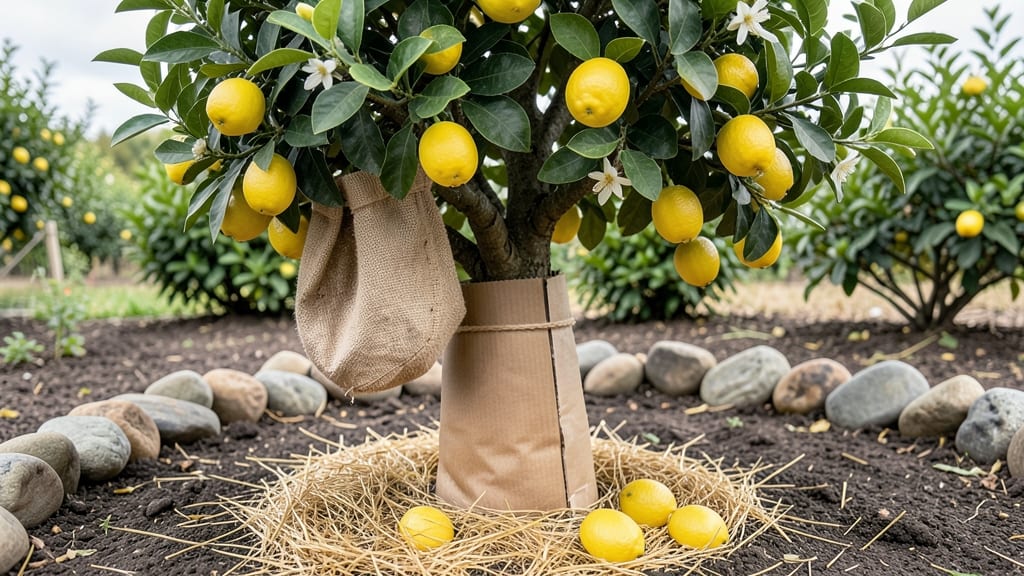
Wrapping your lemon tree before the first frost saves years of heartbreak—and those sweet, fragrant lemons you’ve been waiting for. 🌿 I’ve seen firsthand how a simple burlap wrap can turn a crisp winter morning from a potential disaster into just another day your tree survives to bloom again.
The key isn’t just covering it; it’s timing, material, and a few tricks most gardeners miss.
You’ll need burlap or frost cloth (never plastic—it traps moisture and freezes), twine or zip ties, and a mulch blanket for the base. Start when nighttime temps hit 35°F, before the first hard freeze.
My lemon tree in Zone 8a gets wrapped every year, and the difference between wrapped and unwrapped branches? One stays lush and productive; the other looks like a sad, brown skeleton by spring.
The payoff is juicy, disease-free lemons by summer, with branches that don’t crack under ice. You’ll spot the first signs of success in spring: tender new growth where others see bare wood.
The wrap also protects against sunscald when winter sun hits thawing bark—something I learned the hard way after my first attempt left my tree with ugly, peeling patches.
Regional tweaks matter: In colder zones, add a tree guard or insulated wrap around the trunk. Skip the wrap entirely if you’re in Zone 10+, but even there, a light mulch around the base helps.
The goal isn’t perfection—it’s giving your tree the best shot at surviving the cold so you can enjoy that first lemon harvest of the year.
📚 In This Guide
- What you need
- Instructions
- Tips and common mistakes
- Wrapping up and next steps
What you need
- ● Burlap or frost cloth: 10–20 feet (depending on tree size). Choose a breathable, undyed fabric to allow airflow.
- ● Staple gun with staples: Heavy-duty staples (1/4-inch) to secure the wrap tightly.
- ● Twine or garden tape: 1–2 rolls (for extra reinforcement or tying burlap in place).
- ● Scissors or utility knife: For trimming fabric to size.
- ○ Plastic tree wrap or clear plastic sheeting (optional but helpful): 5–10 feet (if wrapping around the trunk for added insulation).
- ● Measuring tape: To ensure the wrap fits snugly without gaps.
- ● Gloves: Protect your hands while handling staples or rough fabric.
- ○ Pruning shears (optional): Lightly trim any dead or weak branches before wrapping for better airflow.
- ○ Insulation material (optional): Foam pipe insulation or bubble wrap for extra trunk protection in freezing climates.
Step-by-Step instructions for wrapping a lemon tree for winter
Here's my foolproof method to protect your citrus tree's delicate branches from frost damage.
🪴 Step 1: Choose the Right Wrapping Materials
For lemon trees, I recommend using burlap sacks or tree wrap fabric—both allow airflow while blocking harsh winds. Avoid plastic sheeting, which traps moisture and can suffocate branches. You'll need enough material to completely encase the trunk and extend 6-12 inches above and below the graft union (where the tree meets the rootstock).
If your tree has particularly thin branches, add tree guards (spiral plastic tubes) to protect them individually. These create a physical barrier against cracking. Measure your tree's height and width first—you'll want the wrap to fit snugly without constricting growth. I always keep a few extra feet of material on hand to ensure full coverage.
✂️ Step 2: Prepare the Tree and Apply the First Layer
Start by gently shaking the tree to dislodge any lingering insects or debris—this prevents them from getting trapped under the wrap. Then, apply a thin layer of horticultural tree wrap adhesive to the trunk if you're using fabric. This creates a smooth surface and prevents the material from sliding down during winter storms.
Begin wrapping from the bottom of the trunk and work your way up, overlapping each layer by 2-3 inches to eliminate gaps. For burlap, fold the edges inward to create a clean finish. Leave the top 4-6 inches open initially—this allows for expansion as temperatures fluctuate. The wrap should fit snugly but not tightly; you should be able to slide two fingers between the material and the trunk.
💧 Step 3: Seal and Insulate the Wrap
Once the main wrap is in place, secure it with soft tree ties or zip ties (avoid wire—it can cut into the bark). Start tying at the bottom of the wrap and work upward, spacing ties 12-18 inches apart. This prevents the material from sagging or tearing in high winds.
For extra insulation, add a second layer of burlap around the outside, especially if you're in a region with hard freezes below 20°F. This double layer creates an air pocket that traps warmth. Seal the top opening with tree wrap tape or additional burlap, leaving just a small vent hole to prevent moisture buildup. The goal is to mimic the tree's natural ability to regulate temperature while shielding it from sudden frost.
☀️ Step 4: Protect the Canopy and Monitor
While the trunk wrap is critical, don't forget the branches and foliage. For young trees or those with delicate limbs, drape frost cloth lightly over the canopy, securing it with clips or stakes without crushing the branches. This creates a 5-10°F warmer microclimate around the leaves, which are just as vulnerable to frost damage as the trunk.
Check your wrap every 2-3 weeks throughout winter. Remove it on mild days (above 40°F) to allow the bark to breathe and prevent mold growth. Reapply immediately if a hard freeze is forecast. I always keep a small hand saw nearby—if the wrap becomes damaged, patch it quickly to maintain protection.
Tips & tricks for protecting lemon trees in winter
Winterizing your citrus tree isn't just about wrapping—it's about creating a microclimate that mimics nature's protection. Here's what I've learned after years of trial and error with my own lemon trees.
Material Selection Matters: While burlap and tree wrap fabric are ideal, I've found that jute sacks work just as well for smaller trees. The key is breathability—avoid anything that traps moisture against the bark, which can lead to rot. For trees in Zone 7 or colder, consider adding insulated tree sleeves (available at garden centers) as an extra layer. These are specifically designed to handle hard freezes below 20°F without suffocating the tree.
Graft Union Protection: The graft union (where the citrus scion meets the rootstock) is the most vulnerable spot on your tree. In Step 1, when measuring your materials, make sure you extend the wrap at least 12 inches above this critical junction—this is where most frost damage occurs. I've seen trees survive -5°F temperatures with proper graft union protection, while poorly wrapped trees suffered split bark at the same temperature.
Canopy Care is Non-Negotiable: Don't make my mistake of focusing only on the trunk! The foliage and branches need protection too. For trees with thin branches under 1/4 inch thick, wrap individual branches with tree guards before applying the main trunk wrap. I've had branches crack like glass in single-digit temperatures when left unprotected—it's heartbreaking to see. The 5-10°F warmer microclimate created by frost cloth can mean the difference between a healthy spring flush and winterkill.
Monitoring Strategy: The 2-3 week check-ins mentioned in Step 4 are crucial, but here's what nobody tells you: set a calendar reminder for early December and late January—these are the most critical periods for sudden temperature swings. I keep a small notebook by my back door where I record temperatures and wrap conditions. If you notice condensation inside the wrap (a sign of trapped moisture), open it immediately to air out, even if it's cold outside. Proper airflow prevents mold that can weaken the tree before spring.
Pro Tips for Wrap A Lemon Tree For Winter
- Winterizing your citrus tree isn't just about wrapping—it's about creating a microclimate that mimics nature's protection.
- Material Selection Matters: While burlap and tree wrap fabric are ideal, I've found that jute sacks work just as well for smaller trees.
- Graft Union Protection: The graft union (where the citrus scion meets the rootstock) is the most vulnerable spot on your tree.
Frequently asked questions
When is the best time to wrap my lemon tree?
Wrap your lemon tree before the first hard frost hits your region—typically late fall (October–November in most climates). If a light frost occurs, wait until temperatures drop below freezing to protect tender branches. Use a weather forecast to time it right!
Can I use plastic wrap instead of burlap or frost cloth?
No—plastic wrap traps moisture and can damage branches by causing rot or mold. Stick to breathable materials like burlap, frost cloth, or even old blankets. If you’re in a pinch, use lightweight landscaping fabric (avoid heavy plastic!).
What if my lemon tree is already wrapped and frost hits?
Don’t panic! If frost occurs, gently remove the wrap during the day to let the tree dry and rewrap at dusk. Avoid peeling wet material—wait for branches to thaw. If damage occurs, prune dead growth in spring and monitor for pests.
How often should I check the wrapped tree in winter?
Check your tree weekly for signs of moisture buildup, pests, or tears in the wrap. Adjust as needed, especially after rain or snow. Loosen the wrap slightly if it feels too tight—branches need airflow!
Will wrapping harm my lemon tree in summer?
No, but it’s unnecessary! Remove the wrap in early spring (March–April) once frost risk passes. Leaving it on can overheat branches or attract pests. Store materials for next winter or repurpose them for other garden tasks.
Wrapping up and next steps
Wrapping your lemon tree for winter is a simple yet powerful way to protect it from harsh frost and ensure it thrives for years to come. 🌿 With the right materials—like burlap, frost cloth, or even bubble wrap—and a few easy steps, you’ll shield delicate branches while keeping maintenance low. Don’t let winter steal your citrus dreams!
Now that you’re armed with the know-how, take action—grab your supplies and give your tree the cozy protection it deserves. Before the first frost hits, your lemon tree will thank you with vibrant blooms and juicy fruit come spring! 🍋✨