
Propagation
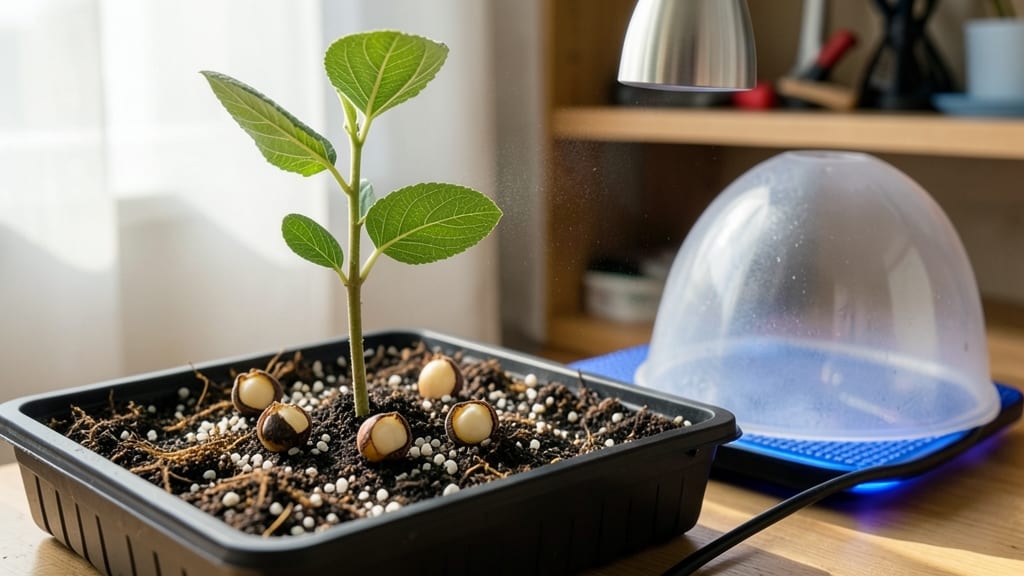
Starting a persimmon tree from seed is easier than you think—if you know the right tricks. 🌱 The secret lies in proper seed selection and a little patience, because these seeds need time to break dormancy before they’ll sprout.
I’ve grown dozens from seed, and the key is mimicking nature’s timing with cold stratification and the right soil mix.
First, pick fully ripe persimmons—only those that soften completely when ripe will yield viable seeds. After scooping out the seeds, give them a 3-month cold treatment in moist sand or peat moss to simulate winter.
This step is non-negotiable; without it, germination rates drop to near zero. While the seeds chill, prepare a well-draining seed-starting mix with perlite for airflow.
Once sprouts appear (usually in late winter), transplant them into individual pots and keep them under grow lights until they’re sturdy enough for outdoor planting. By spring, you’ll have 3-6 inch seedlings ready to handle full sun.
The first year focuses on root development, but with proper care, these trees can grow 10+ feet in just five years.
Outdoor germination works too—just plant seeds directly in the ground after stratification and protect them with mulch. Challenges like slow sprouting or mold are normal, but with this method, you’ll see reliable results. The payoff? Homegrown persimmons in as little as 3-4 years—and who doesn’t love fresh, tree-ripened fruit?
Germination Challenges Explained
Understanding why persimmon seeds struggle to sprout is the first step to troubleshooting—and success! Persimmon seeds (Diospyros spp.) are finicky, and several natural (and avoidable) factors can block their growth. Let’s break down the real culprits behind slow or failed germination, so you can adjust your approach.
Persimmon seeds often enter physiological dormancy, a natural state where the embryo inside the seed won’t grow—even if conditions seem perfect. This happens because: - Hard seed coat: The outer shell is tough and impermeable, blocking water and oxygen from reaching the embryo.
Without scarification (scratching or softening the seed), the seed stays dormant for months or years. - Chemical inhibitors: Some persimmon seeds produce compounds that suppress germination until conditions (like temperature or moisture) trigger a response. - After-ripening needs: Even after harvest, seeds may require weeks or months of dry storage to "mature" enough to sprout.
Planting fresh seeds too soon can lead to rot instead of roots.
Actionable fix: Soak seeds in warm water for 24–48 hours before planting, or lightly sand the outer shell with fine-grit sandpaper to mimic natural wear and tear.
Persimmon seeds thrive in specific temperature ranges, and straying from these can stall germination: - Too cold (<50°F/10°C): Seeds may rot before sprouting because enzymes needed for growth slow down.
Cold soil also prevents microbial activity that aids decomposition (which can be good or bad—more on that later). - Too hot (>90°F/32°C): Excessive heat dries out seeds or triggers premature metabolic activity, causing the embryo to use up its energy reserves before breaking through the shell. - Inconsistent temps: Fluctuations (like moving seeds between indoors and outdoors) confuse the seed’s internal clock, delaying germination.
Actionable fix: Use a seedling heat mat (set to 70–80°F/21–27°C) or a warm, shaded spot near a sunny window. If planting outdoors, wait until soil temps stabilize above 60°F (15°C).
Water is non-negotiable for germination, but persimmon seeds are fragile—too much or too little spells disaster: - Overwatering: Seeds need consistent moisture, not soggy conditions.
Excess water: - Crowds out oxygen, leading to anaerobic conditions (where harmful bacteria thrive). - Causes seeds to imbibe too quickly, swelling and splitting prematurely before roots form. - Underwatering: Seeds dry out and enter secondary dormancy, a deeper sleep state that’s harder to break. - Poor drainage: Compacted or clay-heavy soil traps water around seeds, suffocating them.
Actionable fix:
- Use a well-draining mix (50% peat moss, 50% perlite or vermiculite).
- Water gently with a spray bottle to keep soil damp (not wet) until sprouts appear.
- Elevate seed trays slightly to prevent water pooling.
Persimmon seeds are magnets for mold and fungi if conditions are right.
Common culprits: - Rhizoctonia or Pythium: These soil-borne fungi attack weakened or overwatered seeds, causing black, mushy rot before sprouts emerge. - Powdery mildew: Thrives in humid conditions, coating seeds and blocking oxygen exchange. - Bacterial soft rot: Often linked to physical damage (like rough handling) or poor sanitation.
Actionable fix:
- Sterilize tools with rubbing alcohol before handling seeds.
- Add 1 part cinnamon or hydrogen peroxide (3%) to water when watering to inhibit fungus.
- Avoid planting in recently used soil (where old spores may linger).
Persimmon seeds don’t need light to germinate (they’re photoblind), but indirect light after planting helps:
- No light at all: Seeds may sprout but grow weak, leggy (etiolated) stems, making them prone to breaking.
- Direct sunlight: Can overheat soil or dry out seeds too quickly, especially in clear containers.
- Artificial light stress: LED grow lights too close (within 6 inches) can bake seeds.
Actionable fix:
- Place trays in bright, indirect light (east-facing window or under a sheer curtain).
- If using grow lights, keep them 12+ inches away until sprouts appear.
Persimmon seeds have a narrow window for success:
- Planting too early: Cold soil (below 50°F/10°C) slows metabolism, leading to damping-off disease (where seedlings collapse at the soil line).
- Planting too late: Seeds may over-dry or face heat stress before sprouting.
- Seasonal mismatches: Fall-planted seeds in cold climates may freeze before germinating, while spring seeds risk sudden heatwaves.
Actionable fix:
- Indoors: Start seeds 8–12 weeks before last frost in a warm, humid environment.
- Outdoors: Wait until soil temps are stable above 60°F (15°C) and nights are consistently above 50°F (10°C).
Persimmons prefer slightly acidic to neutral soil (pH 6.0–7.0), but imbalances can hinder germination:
- Too acidic (pH <5.5): Locks out essential nutrients like phosphorus and calcium, critical for root development.
- Too alkaline (pH >7.5): Causes nutrient toxicity, especially aluminum and manganese, which stunts growth.
- Salinity buildup: From tap water or fertilized soil, salinity osmotically stresses seeds, drawing out moisture and dehydrating them.
Actionable fix:
- Test soil pH with a home kit and amend with:
- Lime (to raise pH) or sulfur/peat moss (to lower pH).
- Use rainwater or distilled water to avoid salinity.
- Avoid fertilizers until after sprouts appear (use a diluted seaweed tonic instead).
Fixing Common Seedling Setbacks
Growing persimmons from seed can be a rewarding but tricky process, especially when faced with germination challenges or early-stage struggles. Below are practical solutions to the most common issues, mapped out by cause, along with prevention tips to keep your seedlings thriving.
If your persimmon seeds refuse to sprout, it’s often due to dormancy or unfavorable conditions. Here’s how to break through the barrier:
Cause: Hard Seed Coat (Prevents Water Absorption)
Fix:
- Soak the seeds in warm water for 24–48 hours to soften the outer shell. Change the water halfway to avoid mold.
- Scratch the seed coat lightly with sandpaper or a knife (be careful not to damage the seed inside).
- Use a paper towel method: Place seeds between damp paper towels in a sealed bag for 3–5 days until a tiny root (radicle) emerges.
✨ Pro Tip: Some growers swear by stratification—mixing seeds with damp peat moss and refrigerating for 4–6 weeks to mimic winter conditions.
Cause: Wrong Temperature or Moisture
Fix:
- Ideal germination conditions: Keep seeds in a warm (70–80°F), moist environment (like a seedling heat mat or sunny windowsill).
- Use a clear plastic bag to trap humidity, but ventilate daily to prevent rot.
- Test soil moisture—it should feel like a damp sponge, not soggy.
💡 Prevention Tip: Use a seedling heat mat ($10–$15) to maintain consistent warmth without overwatering.
If your seeds or seedlings develop black spots, fuzzy growth, or foul smells, fungus is likely the culprit.
Cause: Overwatering or Poor Drainage
Fix:
- Stop watering immediately and let the soil dry slightly.
- Remove affected seedlings (don’t compost them—toss in the trash).
- Repot healthy seedlings in sterilized soil (mix 50% potting mix + 50% perlite).
- Spray with a fungicide (neem oil or hydrogen peroxide—1 tablespoon per cup of water).
🌡️ Prevention Tip: Water only when the top inch of soil is dry, and use containers with drainage holes.
Cause: Contaminated Soil or Tools
Fix:
- Sterilize pots by soaking in 1 part bleach to 9 parts water for 10 minutes, then rinse.
- Use fresh, high-quality potting mix (avoid garden soil—it’s often fungus-rich).
- Disinfect scissors/tools with rubbing alcohol between uses.
Weak, leggy, or pale seedlings usually need better light, nutrients, or airflow.
Cause: Insufficient Light
Fix:
- Move seedlings to a south-facing window or under grow lights (12–16 hours/day).
- If using natural light, rotate pots weekly to prevent leaning.
🔥 Quick Fix: Place seedlings under a LED grow light (even a cheap one helps) if sunlight is limited.
Cause: Nutrient Deficiency (Especially Nitrogen)
Fix:
- Fertilize lightly with a balanced, water-soluble fertilizer (5-5-5 or 10-10-10) diluted to half strength.
- Use fish emulsion or compost tea for organic options.
- Avoid over-fertilizing—young seedlings are sensitive!
🥗 Prevention Tip: Start with well-draining soil mixed with worm castings for a gentle nutrient boost.
Cause: Crowded Roots or Poor Airflow
Fix:
- Thin seedlings if they’re growing too close (keep 2–3 inches between stems).
- Repot if roots are circling the bottom of the container.
- Improve airflow by spacing pots apart or using a small fan on low setting.
Persimmon seedlings can attract aphids, spider mites, or fungus gnats. Here’s how to handle them:
| Pest | Signs | Fix |
|---|---|---|
| Aphids | Sticky residue, curled leaves | Spray with soapy water (1 tsp dish soap + 1 quart water) or neem oil. |
| Spider Mites | Tiny webs, yellowing leaves | Increase humidity, spray with water + a drop of dish soap. |
| Fungus Gnats | Tiny black flies near soil | Let soil dry between waterings, top with sand or diatomaceous earth. |
🎯 Prevention Tip: Inspect new plants before bringing them near seedlings, and keep your growing area clean (remove debris where pests hide).
If seedlings wilt after repotting, they’re likely suffering from root disturbance or stress.
Fix:
- Water deeply before and after transplanting.
- Use a rooting hormone (optional but helpful for delicate seedlings).
- Shade them for 3–5 days to reduce stress.
- Avoid fertilizing for 2 weeks post-transplant.
🔪 Pro Tip: Hardening off seedlings (gradually exposing them to outdoor conditions over 7–10 days) before permanent planting reduces shock.
To avoid future problems, follow these golden rules: ✅ Sterilize everything (tools, pots, soil). ✅ Monitor moisture—don’t let seeds dry out or sit in water. ✅ Provide warmth and light from day one. ✅ Thin seedlings early to prevent competition. ✅ Inspect regularly for pests or disease signs.
By addressing these issues proactively, your persimmon seedlings will stand a much better chance of growing into strong, fruitful trees! 🌳🍊
Frequently asked questions
How long does persimmon seed stratification need to take?
Persimmon seeds require a 3-month cold treatment for reliable germination. Place them in a sealed container with moist sand or peat moss, then refrigerate at 35–40°F (2–4°C). This mimics winter conditions and breaks dormancy. Start stratification in early fall for spring planting.
Can I grow persimmons from store-bought fruit?
Yes, but only from fully ripe persimmons that soften completely when touched. Avoid firm or unripe fruit—the seeds won’t germinate. Look for varieties like Fuyu or Hachiya at specialty stores. Store-bought seeds may have lower viability than fresh ones.
When should I transplant persimmon seedlings outdoors?
Wait until seedlings are 3–6 inches tall and soil temperatures stay above 60°F (15°C) at night. Harden them off for 7–10 days by gradually exposing to outdoor conditions. Plant in well-draining soil with full sun exposure.
Why are my persimmon seeds rotting instead of sprouting?
Overwatering or poor drainage is the most common cause. Keep soil consistently moist (not soggy) and use a mix of 50% peat moss and 50% perlite for airflow. Ensure containers have drainage holes. If rot occurs, discard affected seeds and sterilize tools.
How long does it take for persimmon trees to bear fruit?
Seed-grown persimmons typically take 3–5 years to produce fruit, though some varieties may take longer. Grafted trees fruit in 2–3 years. Patience is key—focus on proper care during the early years for stronger growth.