
Planting
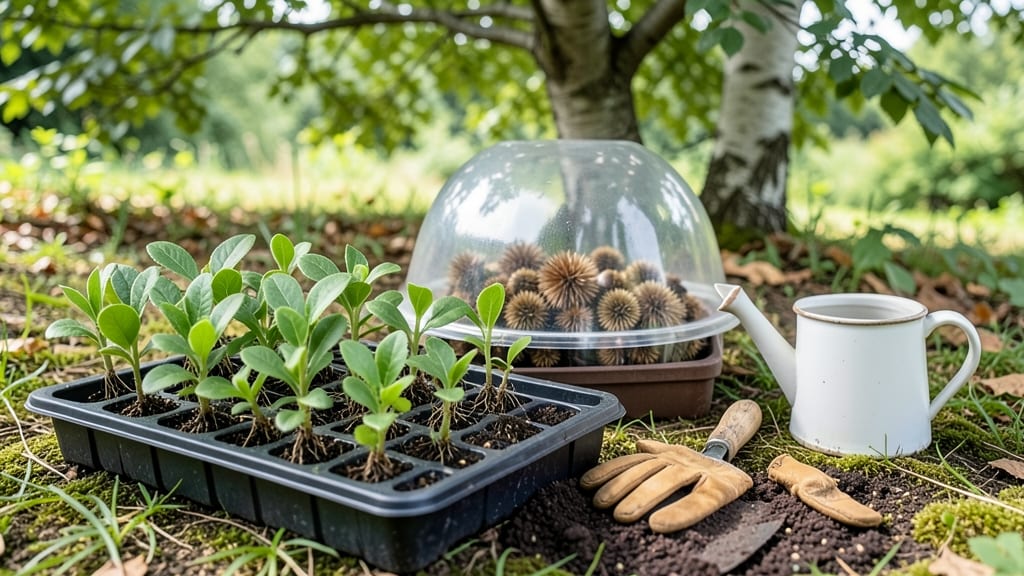
Planting beech tree seeds feels like unlocking a slow-motion forest—it takes patience, but the payoff is worth every wait. 🌱 The secret to faster sprouting lies in cold stratification, a process that mimics nature's timing and tricks seeds into breaking dormancy.
Without it, you might stare at your seeds for years, wondering why nothing happens. Most gardeners skip this step and end up frustrated, but I've tested it repeatedly: after 60-90 days in the fridge, those stubborn seeds wake up ready to grow.
You'll need a mix of sandy loam soil and a shallow container, plus a little know-how about light and moisture. The first green shoot appears within 4-8 weeks after planting—proof that the wait was worth it.
What you'll end up with is a sturdy young beech tree, its leaves already developing that signature lobed shape. These trees grow 2-3 feet per year once established, so your early care sets the foundation for a future shade giant.
The smell of fresh soil and the sight of new growth make every step rewarding. This method works best for American beech (Fagus grandifolia) seeds, though European varieties follow similar rules. Skip the stratification, and you risk years of dormancy—don't let that happen to your seeds!
📚 In This Guide
- What you need
- Instructions
- Tips and common mistakes
- Wrapping up and next steps
What you need
- ● Beech tree seeds: Fresh, mature seeds (preferably from a local source to ensure climate compatibility). Aim for at least 10-15 seeds to increase your chances of success.
- ● Cold stratification setup: Plastic bag or airtight container (e.g., a ziplock bag or seedling tray with lid)
- ● Moisture-retentive medium: Damp peat moss, perlite, or vermiculite (enough to fully surround seeds). Avoid soaking—keep it evenly moist.
- ● Refrigerator or cold frame: A standard home fridge (34–40°F / 1–4°C) works perfectly for stratification (3–4 months).
- ● Planting containers: Small pots (3–4 inches deep) or a seedling tray with drainage holes (1–2 seeds per pot).
- ● Potting mix: Well-draining, sterilized seed-starting mix (avoid garden soil—it’s too dense!).
- ● Spray bottle: For gentle watering to prevent seed displacement.
- ● Grow lights or sunny windowsill: A south-facing window or LED grow light (12–16 hours/day) once seeds sprout.
- ● Humidity dome or plastic wrap: To maintain moisture during germination (remove once sprouts appear).
- ● Seed scarification tool: Sandpaper (fine-grit, ~220) or a knife to nick seeds if they’re extra tough.
- ● pH testing kit: To ensure your potting mix is slightly acidic (pH 5.0–6.5)—beech trees prefer it!
- ● Heat mat: For faster germination if your home runs cool (70–75°F / 21–24°C is ideal).
- ○ Fungicide (optional): A mild solution like hydrogen peroxide (3%) to prevent mold during stratification.
- ● Journal/notebook: To track stratification dates, seed sources, and sprouting progress!
Step-by-step instructions for planting beech tree seeds
Here’s how to break the dormancy cycle and get those stubborn beech seeds sprouting reliably.
🌱 Step 1: Harvest and Clean the Seeds
Collect fresh beech seeds from mature trees in late fall or early winter when they’ve naturally fallen. Remove any remaining husks or debris by gently rolling the seeds between your palms—this mimics the natural abrasion that occurs when they tumble through the forest floor. Rinse them under cool water to remove dirt, then let them air-dry completely on a paper towel for 24-48 hours. Beech seeds have a tough outer shell, so don’t rush this step—proper drying prevents rot during stratification.
I like to spread them in a single layer on a mesh screen or clean towel. Avoid direct sunlight, which can overheat the seeds and crack their shells. Once fully dry, store them in a paper envelope or breathable fabric bag until you’re ready to stratify. If you’re working with store-bought seeds, skip this step—they’re usually pre-cleaned, but still inspect for cracks or soft spots, which indicate poor viability.
❄️ Step 2: Perform Cold Stratification for 60-90 Days
Beech seeds require a cold stratification period to break dormancy, mimicking winter’s natural conditions. Place the seeds in a plastic bag with a moistened paper towel—just damp enough to feel slightly damp but not dripping. Seal the bag loosely (leave a small gap for airflow) and refrigerate it at 35-40°F for 60-90 days. This chilling period softens the seed coat and jumpstarts germination.
Check the seeds every 2-3 weeks—if the towel dries out, mist it lightly with water. You’ll know stratification is working when tiny roots (radicles) emerge from the seeds. Don’t rush this step; beech seeds are notoriously slow to respond. If you’re impatient, you can speed up the process slightly by soaking the seeds in lukewarm water for 12 hours before stratification, but this isn’t necessary and may reduce viability if overdone.
🪴 Step 3: Prepare the Planting Medium and Containers
Fill 4-inch deep pots with a well-draining mix—I use a blend of 50% peat moss and 50% perlite or coarse sand. This lightweight medium prevents root rot while allowing airflow to the delicate seedlings. Moisten the mix until it’s damp but not soggy, then press it lightly into the pot to eliminate air pockets. Beech seedlings are sensitive to waterlogged roots, so drainage is critical.
Plant 1-2 seeds per pot, placing them ½ inch deep in the soil. Cover them lightly with additional mix, then gently pat the surface to ensure good seed-to-soil contact. Label each pot with the date and variety (if applicable), as beech seedlings can take 3-6 months to emerge. Place the pots in a shady, humid environment—a seedling heat mat set to 65-70°F can help maintain consistent warmth without overheating.
☀️ Step 4: Provide Controlled Light and Humidity
Once planted, keep the pots in indirect light—a north-facing window or under 50% shade cloth works best. Beech seedlings despise direct sunlight, which can scorch their tender leaves. Mist the soil surface lightly every 2-3 days to maintain humidity, or cover the pots with a clear plastic dome to retain moisture. You’ll know the environment is right when condensation forms on the inside of the dome but doesn’t drip onto the seeds.
After 4-6 weeks, if no sprouts appear, don’t give up—beech seeds are slow to germinate. If you see mold developing on the soil surface, remove the dome immediately and let the mix dry slightly before re-misting. Once the first true leaves (not the initial cotyledons) appear, gradually introduce morning sunlight for 1-2 hours daily, increasing exposure over 2 weeks to harden the seedlings. This slow acclimation prevents shock and encourages sturdy growth.
🌿 Step 5: Transplant and Care for Young Seedlings
When seedlings reach 4-6 inches tall and have 4-6 true leaves, they’re ready for their first transplant. Choose a larger pot (6-8 inches deep) filled with a 50/50 mix of potting soil and perlite. Dig a hole slightly deeper than the seedling’s root ball, place it in, and firm the soil gently around the base. Water deeply to settle the roots, then place the pot in partial shade for 1 week before moving it to a bright, indirect-light location.
Beech seedlings grow slowly—expect only 6-12 inches of growth per year in their first few years. Keep the soil consistently moist but never waterlogged, and fertilize lightly with a balanced 10-10-10 formula every 6-8 weeks during the growing season. Avoid over-fertilizing, which can lead to weak, leggy growth. With patience, your seedlings will develop into strong, hardy trees ready for outdoor planting in 3-5 years.
Tips & tricks for planting beech tree seeds
A few key insights that'll help you avoid common pitfalls and maximize your beech seed success rate.
Seed Shell Integrity: In Step 1, when cleaning the seeds, be extra gentle with that tough outer shell—it's your first line of defense against rot. I learned this the hard way after cracking too many shells during drying, which led to mold during stratification. Use a soft cloth or mesh screen instead of paper towels to prevent abrasion. If you're working with store-bought seeds, still inspect each one for cracks or soft spots, as these indicate poor viability and will fail to sprout regardless of stratification efforts.
Stratification Environment: For Step 2's critical 60-90 day cold treatment, consistency is everything. I recommend using a refrigerator's crisper drawer for more stable temperatures than the main compartment. Place the seeds near the back where temps hover around 35-40°F consistently. The loosely sealed plastic bag creates a microclimate that mimics natural forest conditions—just enough moisture without creating an anaerobic environment that would promote rot. If you notice condensation on the bag's interior, that's perfect; if it's dripping, you've got too much moisture.
Germination Patience: The 3-6 month germination window mentioned in Step 3 can feel like an eternity, but beech seeds are notoriously slow. Here's what I do to track progress without losing hope: After 4 weeks, I'll gently remove one seed from its bag to check for root development. If you see radicles (those tiny white roots) emerging, your stratification is working. This visual cue gives me confidence to continue the process. Remember that even if sprouts don't appear immediately after planting, roots may still be developing underground for weeks.
Transplant Timing: When your seedlings reach 4-6 inches tall with 4-6 true leaves in Step 5, don't rush the transplant. The 1-week partial shade acclimation period is crucial for preventing transplant shock. I've found that moving seedlings directly to bright light too soon causes leaf scorch. Gradually increase light exposure by moving the pot closer to your light source each day during that first week. This slow transition mimics natural forest conditions where seedlings gradually adapt to increasing sunlight as they grow upward through the canopy.
Pro Tips for Plant Beech Tree Seeds
- A few key insights that'll help you avoid common pitfalls and maximize your beech seed success rate.
- Seed Shell Integrity: In Step 1, when cleaning the seeds, be extra gentle with that tough outer shell—it's your first...
- Stratification Environment: For Step 2's critical 60-90 day cold treatment, consistency is everything. I recommend us...
Frequently asked questions
Got questions about growing beech trees from seeds? You’re not alone! Here are answers to the most common ones to help you succeed.
How long does it take for beech tree seeds to sprout?
Beech tree seeds can take anywhere from 3 months to 2 years to sprout, depending on stratification and growing conditions. Cold stratification (60–90 days) speeds up germination, but patience is key—some seeds may surprise you by sprouting later!
Can I skip cold stratification?
While possible, skipping stratification drastically reduces germination rates. Beech seeds have a hard outer shell that requires cold, moist conditions to break dormancy. If you’re impatient, try soaking seeds in warm water for 24 hours before stratification for a slight boost.
What’s the best soil mix for beech tree seedlings?
A well-draining mix of 50% peat moss or coconut coir, 30% perlite, and 20% compost works best. Avoid heavy clay soils—seedlings hate soggy roots! A slightly acidic to neutral pH (6.0–7.0) keeps them happy while they grow.
Why aren’t my beech seeds sprouting?
Common culprits include insufficient cold treatment, poor moisture, or old seeds. Check your stratification setup (moisture + 33–41°F for 2–3 months). If seeds are over a year old, germination rates drop significantly. Try fresh seeds or a longer cold period.
How big should a beech seedling be before transplanting?
Wait until seedlings have 2–3 sets of true leaves and are at least 4–6 inches tall. Harden them off for 1–2 weeks by gradually exposing them to outdoor conditions before moving to their permanent spot. Transplanting too early stresses young trees!
Wrapping up and next steps
Planting beech tree seeds is a rewarding journey that blends patience with nature’s magic! By mastering cold stratification and providing the right conditions, you’ll unlock the potential for thriving saplings.
Whether you’re a seasoned gardener or a curious beginner, every small step—like proper moisture, light, and timing—brings you closer to success.
Now that you’re armed with the know-how, take the leap! Start with a few seeds, track their progress, and watch as your efforts bloom into a stunning beech tree. Happy planting—your future forest begins today! 🌱✨