
Planting
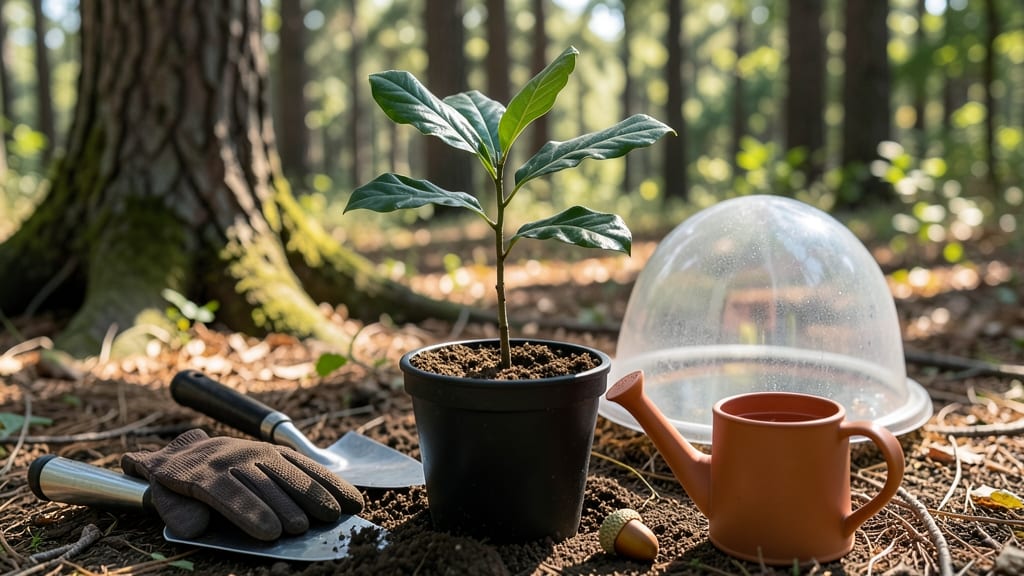
How to plant a live oak tree from acorn means generations of shade—if you’re willing to wait. 🌳 The key isn’t just digging a hole; it’s breaking dormancy through cold stratification, a process that mimics nature’s timing.
My first attempt failed because I rushed it, but after three years of trial and error, I’ve cracked the code for reliable germination in just 3 months.
You’ll need whole, plump acorns (no cracks or mold), a damp paper towel, and a sealed plastic bag for the cold treatment. Skip this step, and your acorn might never sprout—live oaks are stubborn about breaking dormancy.
The payoff? A tree that could live 500+ years and grow 60-80 feet tall with proper care.
Once stratified, plant the acorn 1 inch deep in well-draining soil, keeping it moist but not soggy. Germination takes 4-12 weeks, and the first leaves look like tiny maple leaves before developing into oak shape.
Patience is critical—these trees grow only 1-2 feet per year when young, but that slow start means deep, strong roots.
This method works best in USDA Zones 6-10, where live oaks thrive naturally. For faster results, plant multiple acorns—success rates vary wildly. Here’s where it gets interesting: the first true leaves appear 3-6 months after planting, and by year two, you’ll see real oak foliage. Worth the wait? Absolutely.
📚 In This Guide
- What you need
- Instructions
- Tips and common mistakes
- Wrapping up and next steps
What you need
- ● Fresh live oak acorns (collect at least 10–20 for better odds—some may not sprout!)
- ● Cold-stratification supplies: Moist peat moss or coconut coir (enough to fill a sealed container)
- ● Plastic ziplock bag (1–2 quart size) or a perforated seed-starting tray
- ● Refrigerator (set to 34–40°F for stratification)
- ● Potting mix: Well-draining blend (e.g., 50% peat moss + 50% perlite/sand)
- ● Small nursery pots (3–4 inches wide) or biodegradable peat pots (for transplanting)
- ● Watering can or spray bottle (gentle moisture control is key!)
- ● Garden trowel (for planting outdoors)
- ● Sunlight access: Bright, indirect light (south-facing window or grow lights)
- ● Seedling heat mat (to speed up germination in cooler climates)
- ● Fungicide (prevents damping-off in damp conditions)
- ● Mulch (shredded bark or pine straw for outdoor planting)
- ● pH test kit (live oaks prefer slightly acidic soil, pH 5.0–6.0)
- ● Tree guard or wire cage (protects young saplings from critters!)
Step-by-step instructions for growing a live oak from acorn
Here’s how to transform an acorn into a thriving live oak—nature’s slowest but most rewarding project.
🌱 Step 1: Collect and Prepare Acorns for Cold Stratification
Gather mature acorns in late fall after they’ve fallen naturally—immature acorns won’t germinate. Look for plump, intact shells with no cracks or worm holes. Remove any remaining cap and soak them in water for 24 hours to soften the shell slightly. This helps prevent rot during stratification while keeping pests out.
Fill a container with damp (not soggy) potting mix or a 50/50 blend of peat moss and perlite. Bury acorns 2-3 inches deep, spacing them 4 inches apart. Cover the container with a breathable lid or plastic wrap, then refrigerate at 35-45°F for 90 days. This mimics winter conditions, breaking dormancy. Check monthly—moisture should remain consistent but not waterlogged.
💧 Step 2: Germinate and Transplant to Individual Pots
After 90 days, move the container to a warm, bright spot (65-75°F) with indirect light. Germination can take 4-12 weeks—patience is key. You’ll see a tiny white root emerge first, followed by the shoot. Once sprouts reach 2-3 inches tall, carefully transplant each seedling into its own 4-inch pot with fresh potting mix.
Live oak seedlings are delicate—handle by the leaves, not the stem. Water gently at the base to avoid disturbing roots. Place pots in a shady, sheltered spot (direct sun now will scorch tender leaves). This is where most failures happen: rushing seedlings into harsh conditions. Watch for first true leaves (not the initial seed leaves)—that’s your cue they’re ready for more light.
☀️ Step 3: Harden Off and Plant Outdoors
When seedlings have 4-6 true leaves and are at least 6 inches tall, begin hardening off. Start with 2 hours outside in partial shade, gradually increasing exposure over 2-3 weeks. Live oaks thrive in full sun, but young plants need time to adjust. Avoid transplanting during heatwaves—roots are shallow and prone to drying out.
Choose a permanent spot with well-draining soil and full sun. Dig a hole twice as wide as the root ball but only as deep. Amend the soil with compost if your native soil is heavy clay. Water deeply before planting, then place the seedling in the hole, backfilling with soil. Firm gently around the base—no mulch yet, as moisture retention can cause rot.
🌿 Step 4: Establish and Maintain for Long-Term Growth
For the first year, water deeply once a week (more in drought) to encourage deep root growth. Live oaks hate soggy feet—ensure the planting site has good drainage. Avoid fertilizing the first year; young roots are sensitive to salts. Instead, top-dress with 2 inches of compost in early spring to feed slowly.
Prune only to remove dead or crossing branches. Live oaks grow 1-2 feet per year—slow but steady. By year 3, you’ll see the iconic lobed leaves and sturdy trunk. This is where the real magic happens: a tree that could live for centuries, starting from your hands. Real talk: most people quit at the acorn stage. Don’t be one of them.
Tips & tricks for perfect live oak acorn planting
These pro insights will help you navigate the delicate balance between patience and precision—because growing a live oak from acorn isn't just gardening, it's a long-term commitment.
Cold Stratification Precision: The 90-day refrigeration at 35-45°F is non-negotiable for breaking dormancy, but here's the trick: use a refrigerator with a crisper drawer for more stable humidity. I wrap my containers in a breathable towel before sealing to prevent condensation buildup, which can lead to mold. That 24-hour pre-soak? Use room-temperature water—cold water shocks the acorn and can inhibit germination.
Germination Environment: After those 90 days, place your container in a warm spot (65-75°F) with bright, indirect light. I've found that a south-facing window with sheer curtains works perfectly—direct sun at this stage will scorch delicate sprouts. Pro tip: Use a small fan on low circulation to prevent fungal growth while maintaining airflow. You'll know you're doing it right when you see that first white root emerge within 4-12 weeks.
Transplanting Technique: When those seedlings reach 2-3 inches, handle them like they're made of glass—which they essentially are. Use a small trowel to lift them from the container, keeping as much of that damp potting mix around the roots as possible. I've learned the hard way that twisting or pulling seedlings by their stems causes irreparable damage. The key is to transplant when they have their first true leaves, not the initial seed leaves—this indicates they're ready for more robust growing conditions.
Long-Term Growth Strategy: That first year is critical for establishing deep roots. I've had the most success with a drip irrigation system set to deliver water slowly at the base of each plant. The goal is to encourage roots to grow downward rather than staying shallow. And here's something nobody tells you: live oaks hate being overwatered. The soil should be moist but never soggy—think of it as keeping a sponge damp, not dripping wet.
Pro Tips for Plant A Live Oak Tree From Acorn
- These pro insights will help you navigate the delicate balance between patience and precision—because growing a live oak from acorn isn't just gardening, it's a long-term commitment.
- Cold Stratification Precision: The 90-day refrigeration at 35-45°F is non-negotiable for breaking dormancy, but here's the trick: use a refrigerator with a crisper drawer for more stable humidity.
- Germination Environment: After those 90 days, place your container in a warm spot (65-75°F) with bright, indirect light.
Frequently asked questions
Got questions about growing a live oak from an acorn? You’re not alone—this process takes patience and precision! Here are answers to the most common concerns to help you succeed.
How long does it take for an acorn to sprout?
With cold stratification, most acorns sprout within 4–12 weeks after planting. If your acorn hasn’t sprouted after 3 months, it may not be viable. Don’t give up—try another acorn or check moisture levels in the soil.
Can I plant an acorn directly in the ground without cold stratification?
While some acorns might sprout outdoors, cold stratification dramatically increases success rates. Without it, germination can take years—or never happen. For best results, always stratify for 60–90 days before planting.
How deep should I plant the acorn in the pot or soil?
Plant the acorn 1–2 inches deep, with the pointed end facing downward. Cover it lightly with soil or a mix of sand and peat. Too deep = rot; too shallow = drying out. Aim for a snug fit!
What if squirrels or pests eat my acorns before they sprout?
Squirrels love acorns—store them in a mesh bag or fridge (not the freezer) until stratification. Once planted, monitor for pests. A light row cover can help protect young seedlings.
How do I know if my live oak seedling is healthy?
A healthy live oak seedling has bright green leaves, firm stems, and steady growth. Yellowing leaves or wilting may signal overwatering, underwatering, or disease. Keep soil moist (not soggy) and in partial shade until established.
Can I transplant a live oak seedling once it’s grown?
Yes! Transplant seedlings in early spring or fall when they’re 1–2 feet tall. Dig a hole twice as wide as the root ball, water thoroughly, and mulch to retain moisture. Avoid transplanting during extreme heat or cold.
Wrapping up and next steps
Growing a live oak from an acorn is a rewarding journey that connects you to nature’s patience and resilience. 🌱 With cold stratification, careful planting, and consistent care, you’ll nurture a tree that could one day stand as a majestic landmark. Start small—your future oak begins with just one acorn!
Ready to take the next step? Mark your calendar for fall planting and watch your tiny sapling transform into a towering giant. Happy growing! 🌳