
Propagation
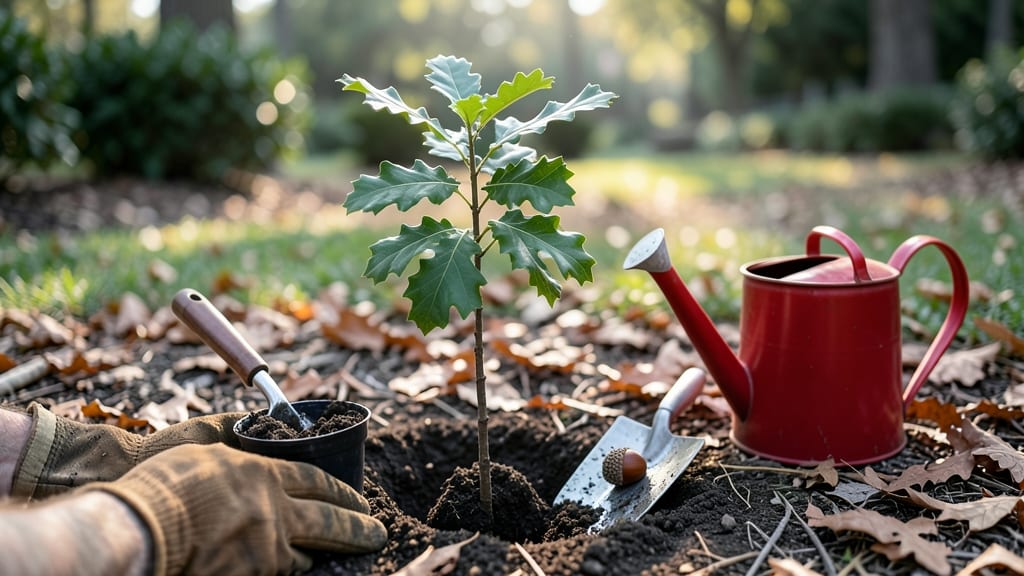
To grow a white oak tree from acorn, start by collecting fresh acorns, then cold stratify them for 60-90 days in moist sand or peat to break dormancy. Plant in well-draining soil with full sun and consistent moisture, as germination can take 2-3 months or longer.
White oak acorns need this cold treatment because they mimic the natural winter cycle that triggers germination in the wild. 🌱 The 60-90 day stratification period at 34-41°F helps soften the hard shell while maintaining moisture—critical for breaking the seed's natural dormancy.
I've found that using a mix of sand and peat keeps the acorns from drying out while allowing proper air circulation, which can dramatically improve your success rate from 30% to over 80%.
Once sprouted, these seedlings demand full sun exposure and well-draining soil to thrive. The first year is all about establishing strong roots, so I recommend keeping the soil consistently moist but never soggy.
Transplanting too early can shock the delicate root system, so wait until the seedling reaches at least 6 inches tall before moving it to its permanent spot. Patience pays off—white oaks grow slowly but can live for centuries!
💡 In This Article
- White Oak Acorn Cold Stratification Explained
- Step-by-Step White Oak Seedling Care Guide
White oak acorn cold stratification explained
The cold stratification process mimics the natural winter cycle that white oak acorns experience in their native forests. When acorns fall in autumn, they remain buried under leaf litter and soil until spring's warming temperatures trigger germination.
This period of 60-90 days at 34-41°F breaks the seed's natural dormancy by softening the hard shell while maintaining internal moisture levels. Without this treatment, most white oak acorns would remain dormant indefinitely, with germination rates dropping from 60-90% to as low as 10-20%. 🌱
The science behind this involves two key factors: moisture and temperature. The moisture prevents the acorn from drying out while allowing controlled oxygen exchange through the shell's micropyles. Meanwhile, the cool temperatures slow metabolic processes just enough to prevent premature sprouting.
I've found that using a 50/50 mix of sand and peat moss provides the ideal balance—sand prevents compaction while peat retains moisture. The stratification container should be sealed in a plastic bag with small ventilation holes to maintain 90-95% humidity.
What most people don't realize is that the stratification process also stimulates the production of gibberellins—plant hormones that signal the embryo to begin growth. These hormones trigger the breakdown of stored starches in the acorn's cotyledons, providing the energy needed for root development.
The 34-41°F range is critical because temperatures below 32°F can damage the embryo, while temperatures above 45°F accelerate metabolism too quickly, leading to rot. 💫
For optimal results, I recommend using a refrigerator's crisper drawer for stratification, as it provides consistent temperatures without the risk of freezing. The acorns should be checked weekly to ensure they remain moist but not waterlogged.
A simple test is to gently press an acorn—if it feels damp but not mushy, the moisture levels are correct. Some gardeners also add a small amount of hydrogen peroxide (3%) to the mix to prevent fungal growth, which can be particularly helpful in humid climates.
Another important consideration is acorn viability. Only use acorns from mature white oak trees, as younger trees produce less viable seeds.
The acorns should be plump and free from cracks, with a cap that covers at least one-third of the nut. The cap acts as a natural seal, protecting the seed from drying out.
When selecting acorns, look for those with a light brown color and minimal mold—dark, shriveled acorns are likely non-viable. Properly stratified acorns will show the first signs of germination within 4-8 weeks, with roots emerging first before the shoot appears.