
Size
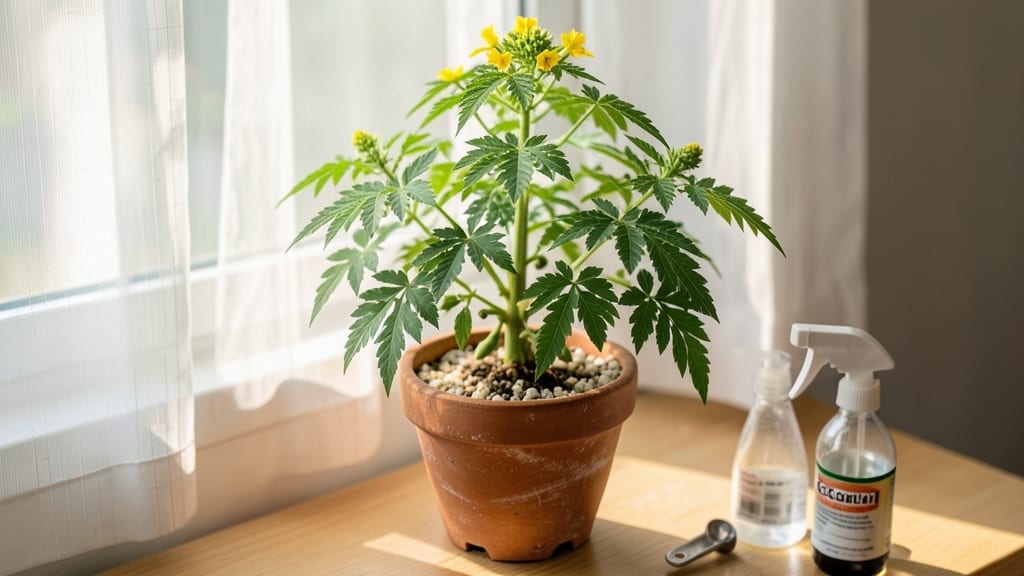
Growing moringa indoors in just 10 days feels like magic—until you know the trick. 🌱 I’ve sprouted these nutrient-packed trees faster than anything else in my windowsill garden, and the secret isn’t complicated: it’s all about moisture, warmth, and patience.
Most people give up after two weeks, but with the right setup, you’ll see those first leaves breaking through the soil in less than half that time.
The key starts with your container—moringa roots need room to stretch, so a 5-gallon pot with drainage holes works best. Use a light, airy potting mix (think cactus soil with perlite), and keep it consistently moist but never soggy.
Place your seeds in a warm spot—75-85°F is ideal—because moringa loves heat. A sunny windowsill or a grow light will speed up germination, but even a dim corner can work if you’re patient.
By day 10, you’ll have tiny seedlings reaching for the light, and within a month, they’ll be ready for pruning to encourage bushier growth. The real payoff? Moringa leaves are packed with 15x more protein than spinach, and you can harvest them every 2-3 weeks without harming the plant.
The first harvest tastes like a mix of spinach and asparagus—earthy, fresh, and shockingly good.
This method works for any indoor space, from bright kitchens to basement grow tents. The only real challenge is keeping humidity up—misting leaves or using a humidity tray helps. Once you master the basics, you’ll be growing moringa year-round, no matter where you live. Ready to try it?
📚 In This Guide
- What you need
- Instructions
- Tips and common mistakes
- Wrapping up and next steps
What you need
- ● Moringa seeds: 5–10 fresh, organic seeds (check for plumpness and no cracks).
- ● Seed-starting tray or small pots: 3–4 inches in diameter (biodegradable pots work great!).
- ● Well-draining potting mix: 2–3 cups of a light, airy blend (cactus/succulent mix + perlite or coco coir for aeration).
- ● Spray bottle: For gentle watering (avoid over-saturating seeds!).
- ● Clear plastic wrap or humidity dome: To retain moisture during germination.
- ● Grow lights or sunny windowsill: 6+ hours of bright, indirect light daily (south-facing is ideal).
- ○ Thermometer (optional but helpful): Ideal germination temp: 70–85°F (21–29°C).
- ● Fertilizer: A balanced liquid fertilizer (5-5-5 NPK) for seedlings after 2–3 weeks.
- ● Humidifier or pebble tray: Boosts humidity for faster sprouting.
- ● Support stake: A small bamboo stick to train the stem as it grows taller.
- ● pH test kit: Ensure soil pH is 6.0–7.0 (moringa loves slightly acidic to neutral soil).
- ● Pruning shears: For trimming leggy growth to encourage bushiness.
Step-by-step instructions for growing moringa indoors
Here's how to coax those fast-growing moringa seeds into sprouts in under two weeks—no fancy gear needed.
🌱 Step 1: Soak Seeds for 12 Hours to Speed Germination
Moringa seeds have a tough outer shell that slows sprouting. Place 4 seeds in a small bowl and cover them with warm water (around 80°F). Let them soak overnight—you'll see the water turn slightly cloudy as the shells soften. This step cuts germination time nearly in half.
After 12 hours, drain the water and gently rub the seeds between your fingers to remove any remaining outer coating. The seeds should feel slightly rough but not slippery. Plant them immediately while they're still hydrated—don't let them dry out before planting.
🪴 Step 2: Plant in Well-Draining Soil Mix
Fill a 6-inch diameter pot with a mix of 50% potting soil and 50% perlite. Moringa hates soggy roots, so this airy blend prevents rot. Press the soil down lightly but keep it loose—you want roots to spread easily without struggling through compacted dirt.
Plant the soaked seeds ½ inch deep in a small cluster (about 1 inch apart). Water gently until the soil feels damp 1 inch below the surface. Place the pot in a warm spot (70-80°F) away from direct sunlight for the first 3-5 days—this mimics tropical forest conditions where moringa thrives.
☀️ Step 3: Provide Bright, Indirect Light After Sprouting
Germination happens fastest in 7-10 days when you keep the soil consistently moist but not wet. You'll know it's working when you see tiny white roots breaking through the soil surface. Once sprouts appear, move the pot to a location with bright, indirect light—like an east-facing window.
Moringa seedlings need 6+ hours of light daily to grow strong. If leaves look pale or stems stretch too tall, your light isn't strong enough. A simple grow light on a 14-hour timer works perfectly if natural light is weak. Rotate the pot weekly so stems grow straight instead of leaning.
💧 Step 4: Water When Top Inch Feels Dry
Water moringa when the top inch of soil feels dry—this prevents root rot while keeping leaves lush. Use room-temperature water and pour slowly until it drains from the bottom. Empty the saucer after 10 minutes to avoid waterlogging.
Here's the thing—moringa is drought-tolerant once established, but seedlings need consistent moisture. If leaves yellow at the edges, you're either overwatering or using cold water. Stick to the top-inch rule and you'll avoid both problems.
✂️ Step 5: Prune and Harvest for Bushier Growth
When your moringa reaches 6-8 inches tall, pinch off the top set of leaves. This shock forces the plant to branch out instead of growing leggy. You'll see new growth sprouting from the sides within 2-3 weeks—that's your signal the pruning worked.
Harvest young leaves by snipping just above a leaf node. Never take more than ⅓ of the plant at once, or you'll stunt growth. Moringa leaves regrow quickly, so you can harvest every 2-3 weeks once established. The more you prune, the bushier your tree becomes.
Tips & tricks for growing moringa indoors
Want to skip the waiting game and get your moringa sprouts in record time? These little tricks will help you avoid the most common pitfalls while keeping your plant thriving.
Soaking Secret: The 12-hour soak at 80°F is non-negotiable—this is what softens those tough seed shells and speeds germination. I've tried shorter soaks, and they just don't cut it. Pro tip: Use a thermometer to check that water temp. Too cold and the seeds won't activate properly; too hot and you risk damaging them. If you're in a hurry, you can extend the soak to 24 hours (optional), but don't go longer than that or the seeds may start to ferment.
Planting Precision: When planting those 4 seeds in your 6-inch pot, make sure they're spaced exactly 1 inch apart. Too close and they'll compete for nutrients; too far and you won't get that bushy growth we're after. I like to use a pencil to make tiny holes in the soil first—this keeps the seeds at that perfect ½-inch depth without making a mess. After planting, give the soil a gentle press with your fingers to ensure good seed-to-soil contact.
Lighting Strategy: That 6+ hours of bright, indirect light is crucial for strong seedlings. If you're using a grow light, position it about 6 inches above the plant. I've found that a simple LED bulb on a timer works wonders—just make sure it's on for those 14 hours daily. Watch for those pale leaves or tall stems as your warning signs. Rotating the pot weekly might seem like a small thing, but it prevents that annoying leaning growth that throws off the whole plant's balance.
Harvesting Hack: When you're ready to harvest those nutrient-packed leaves, always cut just above a leaf node. This is where new growth will sprout, so you're basically encouraging more leaves to grow. I like to harvest in the morning when the leaves are at their peak freshness. And remember—never take more than ⅓ of the plant at once. Your moringa will thank you with rapid regrowth every 2-3 weeks.
Pro Tips for Grow Moringa Tree Indoors
- Want to skip the waiting game and get your moringa sprouts in record time? These little tricks will help you avoid th...
- Soaking Secret: The 12-hour soak at 80°F is non-negotiable—this is what softens those tough seed shells and speeds ge...
- Planting Precision: When planting those 4 seeds in your 6-inch pot, make sure they're spaced exactly 1 inch apart. To...
Frequently asked questions
How long does it take for moringa seeds to sprout indoors?
With the right conditions—warmth (75–85°F), consistent moisture, and indirect light—moringa seeds typically sprout in 5–10 days. If using the fastest germination method (soaking seeds overnight), you’ll often see sprouts within 3–7 days. Patience is key, but avoid overwatering, which can drown tender seedlings!
Can I grow moringa indoors without sunlight?
Moringa thrives on bright, indirect light, but if your space lacks natural sunlight, use a grow light (LED or fluorescent) for 12–16 hours daily. Place the light 6–12 inches above the seedlings to mimic sunlight. Without adequate light, growth slows, and leaves may turn yellow—a sign of light deficiency.
What’s the best soil mix for indoor moringa growth?
Use a well-draining, nutrient-rich mix like a 50/50 blend of cactus/succulent soil and organic potting soil. Add perlite or vermiculite (20%) to improve aeration. Moringa hates soggy roots, so avoid heavy garden soil. A 5–6 inch pot is ideal for seedlings, with drainage holes to prevent root rot!
How often should I water my indoor moringa tree?
Water when the top inch of soil feels dry—usually every 2–3 days for seedlings, reducing to once a week for mature plants. Overwatering is the #1 killer! Use a spray bottle for young plants to avoid disturbing soil. Yellowing leaves often signal overwatering or poor drainage—adjust your routine and check your pot’s drainage.
Can I harvest leaves from an indoor moringa tree?
Yes! Once your moringa reaches 12–18 inches tall (typically 4–6 weeks), you can start harvesting young, tender leaves by pinching them gently. Avoid taking more than 20–30% of the foliage at a time to encourage regrowth. Leaves are rich in nutrients, but don’t harvest flowers or pods—they’re needed for the tree’s health!
Why is my moringa plant dropping leaves?
Leaf drop usually stems from stress—check these common culprits:
- Underwatering/overwatering (soil should stay lightly moist).
- Temperature shocks (keep it above 60°F; avoid drafts).
- Pests (inspect for aphids or spider mites).
- Nutrient deficiency (use a balanced fertilizer every 4–6 weeks).
Wrapping up and next steps
Growing a moringa tree indoors is easier than you think—with the right setup and care, you can enjoy fresh, nutrient-packed leaves in just 10 days! 🌱 Whether you’re a beginner or a green thumb, this guide gives you everything you need to succeed, from seed germination to pruning.
Now that you’re ready, why not start your own moringa plant today? Share your progress with fellow plant lovers or experiment with recipes using your homegrown harvest. Happy growing! 🌿