
How To
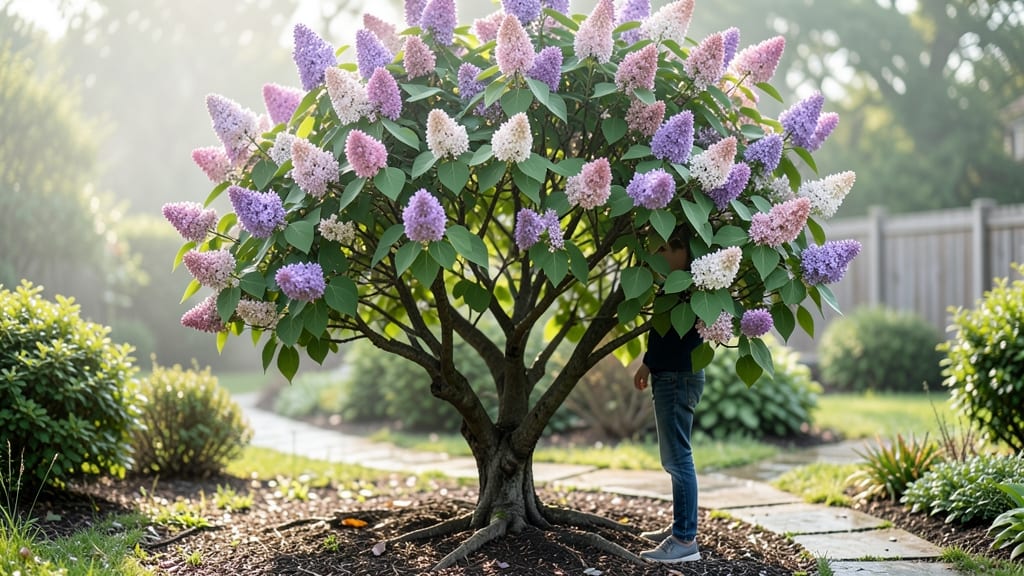
How tall lilac trees grow depends entirely on the variety and how you prune them, with mature heights ranging between 8 and 15 feet. If you're dreaming of fragrant purple blooms but wondering whether a lilac tree will dwarf your backyard—or fit perfectly in it—you’re in the right place. These hardy beauties vary wildly in size, from compact shrubs to towering giants, and the right variety (plus pruning know-how) can make all the difference.
For example, the classic Syringa vulgaris 🌸 can reach 12 to 15 feet tall, while dwarf varieties like Little Miss stay under 4 feet. Pruning after flowering keeps them manageable, and the wrong approach can turn a small shrub into a sprawling mess.
Below, I’ll break down the exact heights by variety, the best pruning techniques to control growth, and how to pick the perfect lilac for your space—whether you’ve got a cozy patio or a sprawling yard.


Lilac tree height by variety: exact growth expectations
Choosing the right lilac variety is key if you want a fragrant centerpiece without overpowering your landscape. Some varieties stay compact at just 3–4 feet, while others reach towering heights of 12–15 feet.
The difference often comes down to genetics, but pruning and care can fine-tune their final size. Let’s break down the exact height expectations for popular lilacs so you can plan your garden layout with confidence.
Most lilacs fall into three size categories: dwarf (3–5 ft), medium (6–8 ft), and standard (8–15 ft). The common lilac (Syringa vulgaris) is the tallest, often reaching 12–15 feet at maturity, while dwarf varieties like 'Little Miss' stay under 4 feet.
Understanding these ranges helps you avoid surprises—like a lilac outgrowing its spot or a small garden feeling cramped.
Here’s a quick comparison of the most popular lilac varieties and their mature heights:
The common lilac (Syringa vulgaris) is the most iconic but also the tallest, often requiring 10+ feet of clearance for its mature height. If you’re working with limited space, opt for dwarf varieties like 'Little Miss' or 'Miss Kim', which thrive in containers or tight corners.
Even standard lilacs can be pruned to control their height, but their natural growth rate is faster—expect 1–2 feet per year once established.
For fast-growing lilacs, 'Katherine Havemeyer' and 'President Lincoln' are top picks, both reaching 10–15 feet in 5–7 years. These varieties are perfect for creating privacy screens or anchoring a garden’s backdrop.
Meanwhile, slow-growing dwarf lilacs like 'Meyer' or 'Little Miss' add fragrance without overwhelming your layout. Their compact size also makes them ideal for container gardening on patios or balconies.
When planning your garden, account for mature height plus 2–3 feet for branches and blooms. A 12-foot lilac will need at least 15 feet of space to avoid crowding nearby plants. For smaller varieties, 3–4 feet of clearance is usually sufficient.
Always check the USDA hardiness zone for your area—most lilacs thrive in zones 3–7, but dwarf varieties may tolerate slightly cooler climates.
If you’re unsure which variety fits your space, consider pruning techniques to manage height. Regular pruning after blooming can keep even tall lilacs at a desired height, while rejuvenation pruning every few years can reset growth for a fuller, more controlled shape.
Just avoid heavy pruning in late summer—this can stunt next year’s blooms by removing next season’s flower buds.
For urban gardens or small yards, dwarf lilacs are game-changers. Varieties like 'Miss Kim' or 'Little Miss' deliver abundant fragrance without the space demands of their taller cousins.
Their slower growth also means less maintenance, making them ideal for low-maintenance landscapes. Pair them with perennials or annuals to create a layered, textured border.
Remember, soil quality and sunlight play a huge role in lilac growth. Plant in well-draining soil with full sun (6+ hours daily) for the best results. Overwatering or poor drainage can stunt growth, while balanced fertilization in early spring encourages healthier, more vigorous blooms.
With the right variety and care, your lilac will thrive—and you’ll enjoy its beauty for decades.
How pruning affects lilac tree height: techniques to control growth
Pruning is the secret weapon for shaping your lilac tree's height—whether you want a compact bush or a tall, dramatic statement. Lilacs grow aggressively without intervention, so strategic cuts can reduce height by 30-50% or encourage bushier, fuller growth.
The timing and technique you choose make all the difference between a well-proportioned plant and an awkward, leggy mess.
Most gardeners make two critical mistakes: pruning at the wrong time of year or cutting too aggressively. Late winter pruning (just before buds swell) is ideal for controlling height, while post-bloom pruning (after flowers fade) encourages next year's blooms.
Both methods work, but the approach changes based on your height goals. For example, Syringa vulgaris (common lilac) can reach 12-15 feet unpruned, but with regular pruning, you can keep it at a manageable 6-8 feet.
Step-by-Step Pruning for Height Control
- 1 Choose your timing: For height reduction, prune in late winter (February-March) when the plant is dormant. For bloom encouragement, prune right after flowering (June-July).
- 2 Gather tools: Use sharp bypass pruners for clean cuts, loppers for thicker branches, and gloves to protect from thorns. Disinfect tools with rubbing alcohol to prevent disease.
- 3 Remove dead/diseased wood: Cut out any brown, cracked, or hollow branches first. These won't regrow and can spread disease. Aim for clean cuts at a 45-degree angle just outside the branch collar.
- 4 Thin out crowded branches: Select 3-5 strongest stems to keep as your main structure. Remove thin, weak, or crossing branches at the base. This opens airflow and reduces height over time.
- 5 Shape for height control: To reduce height, cut 1/3 of the oldest stems back to 6-12 inches from the ground. For bushier growth, trim outer branches to encourage inward growth.
- 6 Avoid common mistakes: Never prune more than 1/3 of the plant at once, or you risk stunting growth. Don't cut green wood in late summer, as it may not harden before winter.
If you're aiming for a taller lilac tree, focus on selective pruning—only removing dead wood and thinning crowded branches. This allows the plant to develop a strong central leader while maintaining its natural height.
For dwarf varieties like Syringa meyeri, you can prune more aggressively to keep them under 5 feet, but avoid cutting into old wood, as lilacs struggle to regrow from it.
One pro tip: Prune in stages if your lilac is overgrown. Cut back 1/3 of the oldest stems one year, another 1/3 the next year, and the final third in the third year.
This reduces shock and gives you better control over the final shape. Always step back and visualize the plant's silhouette—a lilac should look balanced and full, not like a lopsided tree.
After pruning, your lilac will reward you with vigorous new growth and even more abundant blooms next season. Just remember: patience is key. Lilacs grow about 12-24 inches per year, so significant height changes take time.
With the right approach, you'll have a perfectly proportioned lilac that fits your space—and fills your garden with fragrance for decades.