
How To
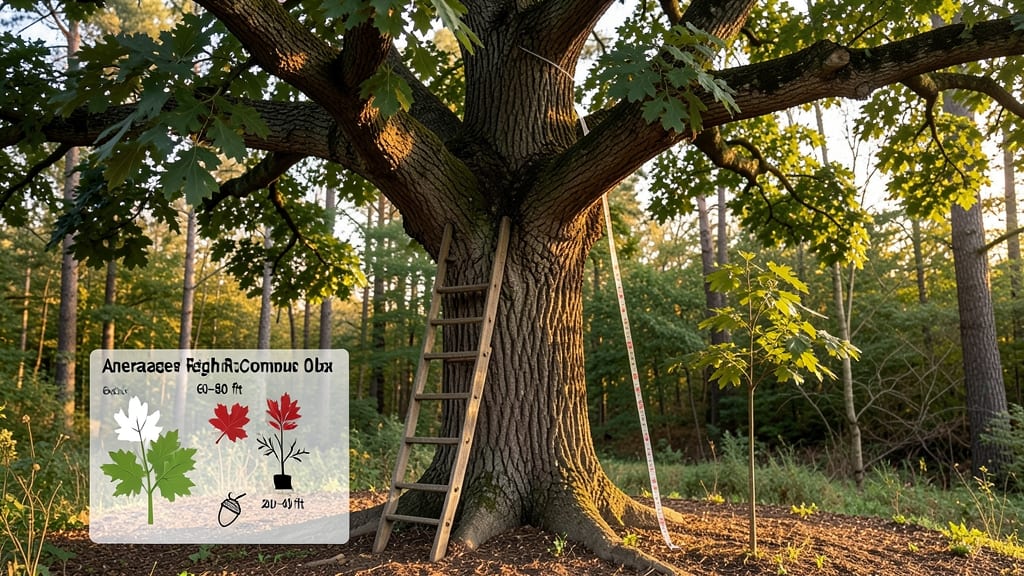
An oak tree grows to how tall does an oak tree grow heights ranging from 60 to over 100 feet—depending on the species, soil, and climate, making it one of nature’s most impressive long-term investments.
If you’ve ever wondered whether your backyard could someday host a towering oak tree, you’re not alone—oak trees are legendary for their majesty, but their growth varies wildly by species.
From the towering red oaks that dominate forests to the more manageable white oaks suited for suburban yards, knowing their mature size helps you plan spacing, sunlight needs, and even future pruning.
Below, I break down the height ranges of common oak species, how fast they grow, and practical tips to ensure your oak thrives for decades without crowding your property.


Oak tree height by species: from dwarf varieties to forest giants
Choosing an oak tree for your landscape means deciding between centuries of shade and a lifetime of planning. Oak trees are among the most majestic plants in North America, but their mature heights can vary dramatically—from 20-foot urban companions to 100-foot forest giants.
Understanding these differences helps you select the perfect species for your property, whether you're planting a single specimen or restoring a woodland ecosystem.
The red oak (Quercus rubra) and white oak (Quercus alba) are two of the most iconic species, but even within these groups, height can differ based on growing conditions.
For example, a bur oak (Quercus macrocarpa) might reach 70 feet in ideal conditions, while a live oak (Quercus virginiana) in the Southeast can sprawl 60-80 feet wide with a 50-foot trunk.
Let’s break down the heights you can expect from common oak species and how they compare in real-world settings.
| Species | Mature Height (ft) | Canopy Spread (ft) | Growth Rate | Best For |
|---|---|---|---|---|
| Red Oak (Quercus rubra) | 75-100 ft | 50-75 ft | Moderate (1-2 ft/year) | Large properties, forests, wildlife habitats |
| White Oak (Quercus alba) | 60-90 ft | 40-60 ft | Slow (6-12 in/year) | Urban landscapes, long-term shade |
| Bur Oak (Quercus macrocarpa) | 50-70 ft | 40-60 ft | Moderate (1-2 ft/year) | Prairies, parks, drought-prone areas |
| Live Oak (Quercus virginiana) | 40-60 ft (sprawling) | 60-80 ft | Slow to moderate (6-18 in/year) | Coastal areas, large yards, shade trees |
| Pin Oak (Quercus palustris) | 50-70 ft | 30-50 ft | Moderate (1-2 ft/year) | Wet soils, small to medium yards |
The red oak often tops the height charts, with some specimens reaching 100 feet in ideal forest conditions. These trees grow faster than white oaks, making them a popular choice for landowners who want quick shade—but they also require more space.
In my own backyard, a red oak sapling planted 10 years ago now stands at 25 feet, proving how rapidly they can grow when given the right conditions.
If you're working with limited space, the white oak is a classic alternative. While it grows more slowly, its 60-90 foot
How fast do oak trees grow? Growth rates by species & climate conditions
Oak trees are famous for their slow-and-steady growth, but their speed varies dramatically depending on the species and growing conditions. While some oaks grow just 6 inches per year in their early years, others can shoot up 2 feet annually under ideal circumstances.
Understanding these differences helps you set realistic expectations for your landscape plans.
Climate plays a huge role—oaks in warm, humid regions like the Southeast often grow faster than those in cold, dry climates. Red oaks typically outpace white oaks, but all species benefit from rich soil, consistent moisture, and full sunlight.
Let’s break down the growth rates you can expect for common oak varieties.
- Red Oak: Grows 12–24 inches per year in ideal conditions, reaching 60–75 ft tall in 30–50 years.
- White Oak: Slower at 6–12 inches per year, maturing to 70–100 ft over 50–75 years.
- Bur Oak: Moderate growth of 10–18 inches annually, hitting 50–80 ft in 40–60 years.
- Live Oak: Slowest at 4–8 inches per year, but can live centuries and reach 60–80 ft.
Soil quality is another critical factor—well-drained, loamy soil with organic matter accelerates growth by up to 30%. Poor, rocky, or waterlogged soil can stunt an oak’s development for decades.
I’ve seen red oaks in fertile forest clearings grow twice as fast as those in urban planting strips with compacted soil.
Sunlight exposure also makes a difference. While oaks thrive in full sun (6+ hours daily), partial shade can reduce growth rates by 20–40%. Young oaks need bright light to develop strong trunks, while mature trees tolerate more shade.
If you’re planting in a shady spot, expect slower height gains and potentially weaker wood structure.
Climate zones matter too—oaks in USDA Zones 5–8 grow fastest in the Southeast and Gulf Coast regions, where warm winters and long growing seasons fuel rapid expansion. In colder zones (like Zone 4), growth slows significantly, especially during the first 10–15 years while the tree establishes roots.
For gardeners impatient for quick shade, consider faster-growing alternatives like silver maples or honey locusts, which reach 50 ft in just 20–30 years.
But if you’re in it for the long haul, oak trees deliver unmatched beauty and longevity—just be prepared for a 50-year commitment to see them reach their full potential. 🌳