
How To
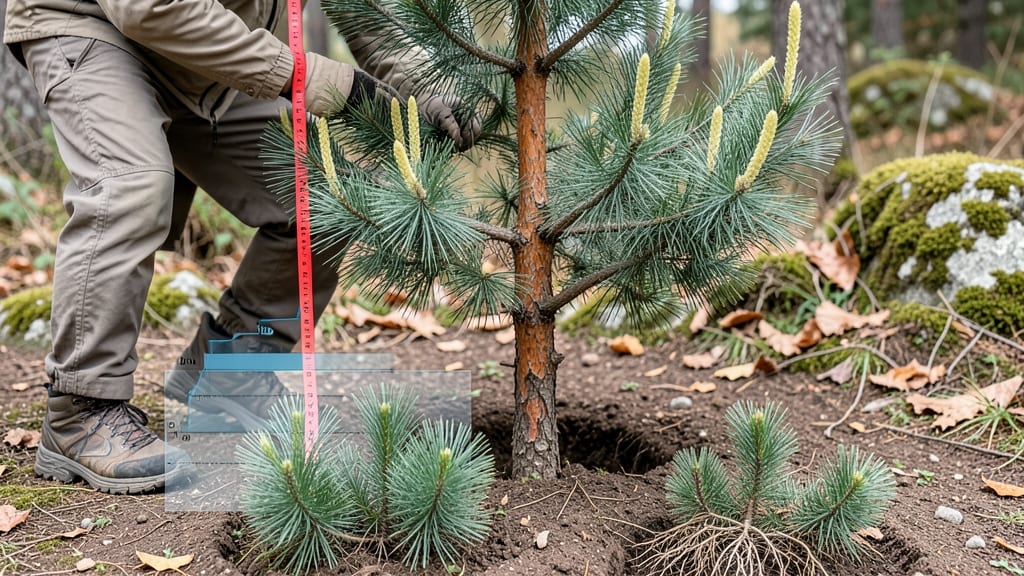
How tall does a pine tree grow per year can vary dramatically by species, with some adding just 6 inches while others shoot up 3 feet or more each year.
If you’re planning a pine tree for your landscape, knowing its annual growth rate can help you estimate its future height—and avoid surprises when it towers over your home.
In USDA Zone 6a, where many gardeners plant pines in early spring, factors like soil drainage, sunlight exposure, and even nearby construction can double or halve that yearly gain.
Below, I break down the fastest-growing varieties, how climate zones slow or speed up growth, and the one mistake that stunts pines for decades.


Average annual growth rates of Pine trees by species
Understanding how fast your pine tree will grow helps you plan for its mature size and landscape impact. Most pine species grow 12 to 24 inches per year under ideal conditions, but growth rates vary significantly between species.
For example, Ponderosa pines can grow 3 feet annually in perfect conditions, while Mugo pines grow just 6 inches per year and stay compact. These differences matter when choosing a pine for your yard—whether you want a towering shade tree or a low-maintenance ornamental.
Growth rates also change as trees mature. Young pine trees grow fastest during their first 5 to 10 years, then slow as they reach maturity. A White Pine might grow 2 feet per year in its teens but only 6 inches per year after 50 years.
This slowdown is natural, but it’s still important to account for it when planting near structures or power lines.
Here’s a quick comparison of average annual growth rates for common pine species to help you choose the right one for your space:
If you’re planting a Ponderosa Pine in your backyard, expect it to reach 50 feet in just 20 years—that’s why spacing is critical. On the other hand, a Mugo Pine will stay under 10 feet tall for decades, making it perfect for borders or rock gardens.
Always check your local climate zone, as cooler zones may slow growth by 30-50% compared to warmer regions.
Soil quality also plays a huge role. Pines prefer well-draining, slightly acidic soil (pH 4.5–6.0). If your soil is heavy clay or alkaline, growth rates can drop by 50% or more.
For example, a Scots Pine might grow 18 inches per year in sandy soil but only 6 inches per year in compacted clay. Amending soil with pine-specific fertilizer or organic matter can help optimize growth.
Light exposure matters too. Pines need full sun (6+ hours daily) for maximum growth. In shaded areas, growth rates can drop by 20-40%. For instance, a Lodgepole Pine growing under other trees might only add 12 inches per year instead of the expected 24 inches.
If you’re planting near taller trees, choose a sun-tolerant species like Austrian Pine or prune nearby foliage to improve light access.
Watering young pines deeply but infrequently encourages faster growth. Overwatering can stunt roots, while drought stress slows height gain. For the first 2 years, water deeply every 7-10 days during dry spells.
After that, established pines are drought-tolerant, but consistent moisture in their early years helps them reach their full potential height.
One common misconception is that all pines grow at the same rate. In reality, fast-growing pines like Ponderosa or Austrian can outpace slower varieties by 3x or more. If you need a quick privacy screen, prioritize Lodgepole or Austrian Pines, which can add 2-3 feet per year.
For ornamental value, Mugo or Dwarf Mountain Pines grow slowly but stay manageable for small spaces.
Pro tip: Use a growth chart or mark your tree’s height annually with a paint marker to track progress. This helps you adjust care (like pr
How climate zones and soil affect Pine tree growth speed
Your pine tree’s annual growth rate isn’t just about the species—it’s heavily influenced by your climate zone and soil conditions. In warmer USDA zones like 8-10, pines often grow 20-30% faster than in colder zones (4-6), where growth slows dramatically in winter.
Even within the same zone, altitude changes can shift growth by 10-15 inches per year—higher elevations mean cooler temps and slower development.
Soil plays an equally critical role. Well-draining, slightly acidic soil (pH 5.0-6.5) fuels rapid growth, while compacted or alkaline soils can stunt a pine by 30-50% annually. For example, a Ponderosa Pine might hit 24 inches per year in ideal conditions but only 12 inches in poor soil.
Understanding these factors helps you set realistic expectations and optimize care for faster, healthier growth.
USDA Zones 8-10
24-36 inches/year for fast growers like Austrian Pine; 12-24 inches for slower species like White Pine. Warmer climates extend growing seasons.
USDA Zones 4-6
12-18 inches/year due to shorter growing seasons. Scots Pine may only gain 6-12 inches in harsh winters. Cold snaps can halt growth entirely for months.
Altitude Effects
Every 1,000 ft elevation gain reduces growth by 5-10%. A Lodgepole Pine at sea level grows 30 inches/year, but at 5,000 ft, expect 18-24 inches.
Ideal Soil Conditions
Sandy loam (pH 5.0-6.5) boosts growth by 40%. Clay or alkaline soils can reduce growth by 50%+. Amend with pine bark or peat moss to improve drainage.
Optimizing Growth
Add organic mulch to retain moisture, fertilize in early spring with 10-10-10 NPK, and prune lower branches to reduce competition. These tweaks can add 5-10 inches to annual growth.
If you’re in a cooler climate, focus on cold-hardy species like Scots Pine or Jack Pine, which tolerate shorter growing seasons better than tropical varieties. For high-altitude gardens, choose dwarf pines (e.g., Mugo Pine) to avoid stunted growth.
Even in less-than-ideal conditions, proper soil amendments and water management can improve growth by 20-30%.
One common mistake is assuming all pines grow at the same rate. A Ponderosa Pine in Zone 7 might grow 2 feet per year, while a White Spruce in the same zone only gains 1 foot.
Always check species-specific guidelines and adjust your expectations based on your local microclimate. A simple soil test can reveal whether your garden is limiting growth—fixing pH imbalances or compacted soil often yields noticeable results within a season.
For maximum growth, monitor your pine’s progress annually. If it’s consistently underperforming, consider transplanting to a sunnier spot or amending the soil with compost or pine needles.
With the right conditions, even slower-growing pines can surprise you—some White Pines in optimal settings reach 30 feet in 20 years, double the typical rate. The key is patience and proactive care.