
How To
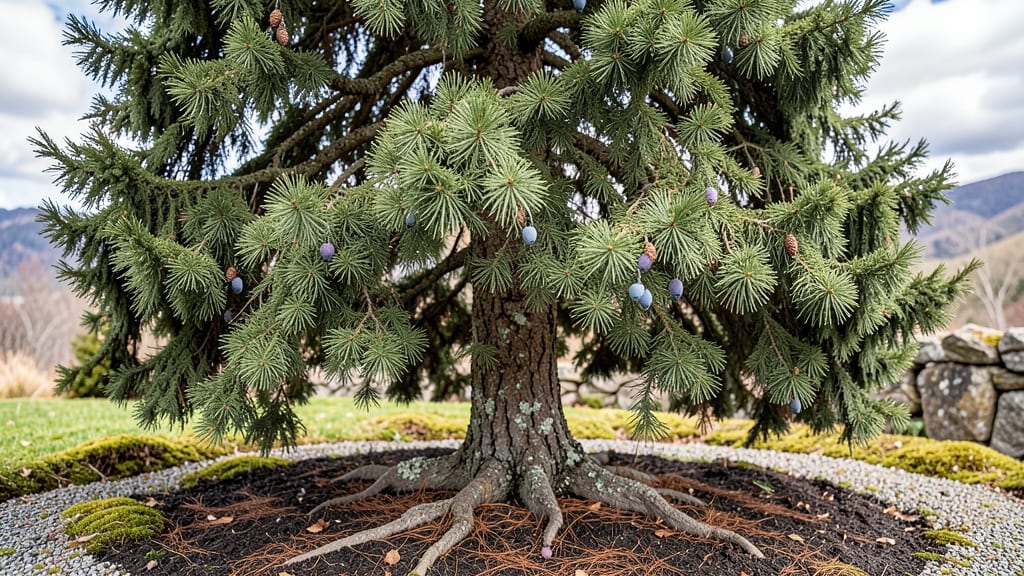
How tall a juniper tree can grow depends entirely on the cultivar—some stay as short as 2 feet, while others soar to over 40 feet. If you're considering adding a juniper tree 🌲 to your landscape, knowing its mature height is crucial—some varieties stretch over 40 feet, while others stay compact enough for small yards. The right choice can transform your outdoor space without overwhelming it.
Fast-growing types like the Eastern Red Cedar can reach their full height in 10-15 years, while dwarf varieties like 'Blue Rug' stay under 3 feet for decades. Whether you need a privacy screen or a low-maintenance accent plant, the options are vast.
Below, I break down the fastest-growing cultivars, spacing tips for different heights, and how soil and sunlight affect growth—so you can pick the perfect juniper for your space.


Juniper tree height ranges: fastest-growing cultivars and their mature sizes
When planning your landscape, juniper trees offer an incredible range of sizes—from towering giants to tiny ground covers. The fastest-growing junipers can reach 30-40 feet in just a decade, while dwarf varieties stay under 3 feet.
Understanding these height ranges helps you select the perfect juniper for your space, whether you need a privacy screen or a low-maintenance accent plant.
Juniper trees are famously adaptable, thriving in USDA Zones 3-9 with minimal care. Their growth rates vary dramatically between species, so let’s explore the tallest, fastest-growing junipers alongside their compact cousins. This comparison will help you visualize how each cultivar fits into your garden design before you plant.
| Cultivar | Mature Height | Growth Rate | Best For |
|---|---|---|---|
| Eastern Red Cedar (Juniperus virginiana) | 30-40 ft | 1-2 ft/year | Privacy screens, wildlife habitat |
| Skyrocket Juniper (Juniperus scopulorum 'Skyrocket') | 30-40 ft | 1-1.5 ft/year | Vertical accents, narrow spaces |
| Pfitzer Juniper (Juniperus chinensis 'Pfitzeriana') | 10-15 ft | 6-12 in/year | Hedges, foundation plantings |
| Blue Rug Juniper (Juniperus horizontalis 'Blue Rug') | 2-3 ft | 2-4 in/year | Ground cover, rock gardens |
| Sargent Juniper (Juniperus chinensis 'Sargentii') | 10-12 ft | 8-10 in/year | Screening, container planting |
| Wichita Blue (Juniperus scopulorum 'Wichita Blue') | 10-12 ft | 6-8 in/year | Drought-resistant hedges |
The Eastern Red Cedar and Skyrocket Juniper are the fastest-growing junipers, capable of reaching 40 feet in ideal conditions. These varieties are perfect for large properties or when you need quick vertical interest.
Their rapid growth makes them excellent choices for windbreaks or wildlife-friendly landscapes, as they provide shelter and berries for birds.
For smaller spaces, dwarf junipers like Blue Rug or Creeping Jenny (Juniperus horizontalis 'Blue Rug') stay under 3 feet and spread instead of shooting upward.
These are ideal for rock gardens, container planting, or edging pathways. Their slow growth means less maintenance, making them perfect for low-effort landscaping.
If you're torn between height and spread, consider semi-dwarf varieties like Pfitzer Juniper or Sargent Juniper. These grow 10-15 feet tall but also spread 8-10 feet wide, creating a balanced, rounded shape.
They’re versatile enough for hedges, foundation plantings, or even container gardens in larger pots.
One key factor influencing height is soil drainage. Junipers hate soggy roots, so planting in well-draining soil or on a slightly elevated mound can encourage faster, healthier growth. In clay-heavy soils, consider amending with sand or compost to improve drainage and support taller varieties like Skyrocket Juniper.
Sunlight also plays a role—most junipers thrive in full sun (6+ hours daily), which accelerates their growth. While they tolerate partial shade, expect slower growth and potentially less vibrant foliage.
For the fastest growth, plant your juniper in the sunniest spot available, especially if you’re aiming for a tall, mature specimen quickly.
Before planting, check your local frost dates and plant in early spring or fall to give roots time to establish before extreme temperatures. Young junipers are more vulnerable to winter burn or summer drought, so mulching around the base helps retain moisture and regulate soil temperature.
This extra care ensures your juniper reaches its <
How to choose a juniper tree based on space and growth rate
Selecting the right juniper tree for your landscape starts with understanding its growth habits and mature height. Some varieties like the Eastern Red Cedar can reach 40 feet tall, while dwarf options like Blue Rug Juniper stay under 3 feet.
Your yard’s size and layout will determine which cultivar thrives best.
Consider your available space and long-term vision. A tall juniper like Skyrocket needs at least 10 feet of clearance from structures, while a spreading variety like Sargent Juniper requires 8-10 feet of width. Always measure your space before choosing.
Here’s how to match your needs with the right juniper:
- 🌲 Dwarf varieties (3-8 ft) suit small yards, containers, or rock gardens (e.g., Blue Rug, Wichita Blue).
- 📏 Medium-height (8-15 ft) work for hedges or mid-sized landscapes (e.g., Sargent Juniper, Pfitzer Juniper).
- 🏡 Tall varieties (15-40 ft) need large properties or as focal points (e.g., Eastern Red Cedar, Skyrocket).
- ☀️ All junipers thrive in full sun (6+ hours/day); partial shade slows growth.
- 🪴 Spacing rule: Plant 3-5 feet apart for dwarf varieties, 10+ feet apart for tall types.
Pruning plays a critical role in managing overgrowth and shaping your juniper. Fast-growing cultivars like Skyrocket may need annual pruning to control height, while slow-growing types like Blue Rug require minimal trimming. Always prune in late winter or early spring for best results.
Soil conditions also impact growth—well-draining, slightly acidic soil (pH 5.0-7.0) ensures healthy development. If your soil is heavy clay, amend it with sand or compost to prevent root rot, which can stunt height.
For urban gardens or small spaces, opt for columnar junipers like Skyrocket or Green Carpet to maximize vertical growth without spreading. These varieties grow 2-3 feet per year, making them ideal for tight areas.
Remember: Patience is key—junipers grow slowly, especially in cooler climates. A 3-foot dwarf juniper may take 5-10 years to reach maturity, while a tall variety like Eastern Red Cedar can take decades. Plan accordingly to avoid future regrets! 🌿