
How To
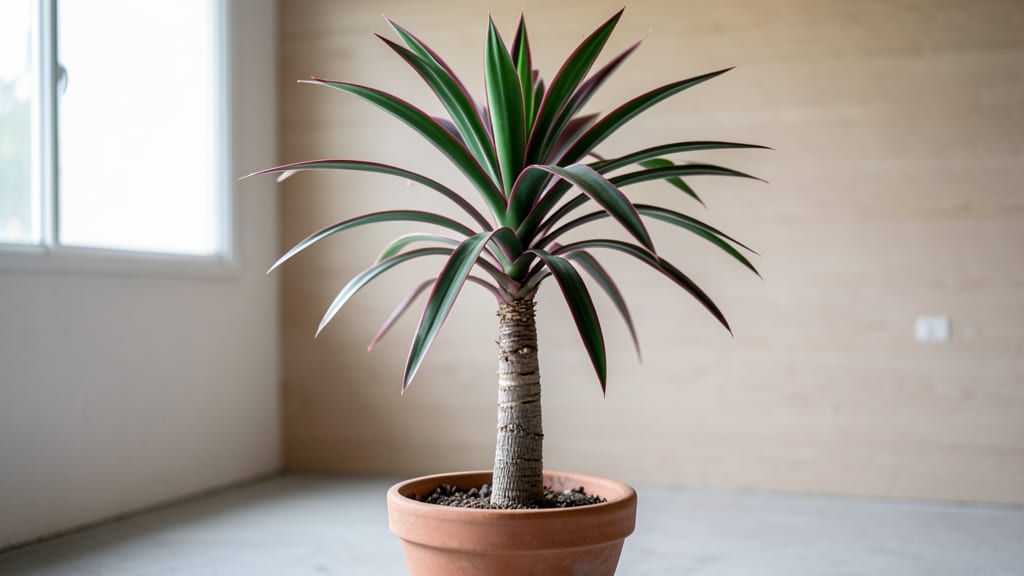
A dragon tree can grow 10 to 20 feet tall—indoors or out—if given the right conditions, but most gardeners never see it reach that height. 🌿
If you’ve ever wondered whether your dragon tree (Dracaena marginata) will soon tower over your ceiling—or if it’ll stay manageably small—you’re not alone. This striking houseplant thrives in both indoor and outdoor settings, but its growth rate and final height depend on light, space, and care.
Indoors, a dragon tree typically grows 1 to 2 feet per year, topping out around 10 to 15 feet with proper care. Outdoors in warmer climates, it can shoot up 3 to 5 feet annually, reaching 20 feet or more in ideal conditions.
The good news? You can control its size with pruning and container limits.
In this guide, I’ll break down the factors that influence height, how to keep it compact, and whether dwarf varieties are worth the investment. Let’s make sure your dragon tree stays the right size for your space!


Dragon tree height limits: indoor growth potential and realistic expectations
Your dragon tree (Dracaena marginata) can become a stunning indoor focal point, but its height depends heavily on your care routine. Indoors, these plants typically grow 1-2 feet per year, reaching 10-15 feet with proper conditions over 10-15 years.
The key factors controlling this growth are light exposure, pot size, and pruning habits—all of which I’ll break down so you can set realistic expectations for your space.
If you're working with limited ceiling space, don't worry—dwarf varieties like 'Colorama' or 'Tricolor' stay between 3-6 feet tall even with optimal care. These compact options are perfect for apartments or offices where vertical space is limited.
The trade-off? They may grow slightly slower than standard varieties, but the controlled height makes them ideal for small spaces.
Light is the single most critical factor for controlling your dragon tree's height. Place your plant within 3-6 feet of an east-facing window for optimal bright indirect light. Too little light slows growth, while direct afternoon sun can scorch leaves and spur rapid, leggy growth.
I recommend rotating your plant quarter-turns every 2 weeks to ensure even exposure and prevent one-sided growth that can make the plant lean.
Pot size directly impacts your dragon tree's height potential. When roots fill a container, the plant signals it's time to grow taller. To keep your plant compact, choose a pot that's only 1-2 inches wider than its root ball.
For standard varieties, this means upgrading pots every 2-3 years rather than annually. If you notice roots circling the drainage holes, it's definitely time for a larger container—but don't go overboard with size!
Pruning is your secret weapon for controlling height. You can top your dragon tree at any height to encourage bushier growth. Simply cut just above a leaf node using sterilized pruning shears, and the plant will send out new shoots from that point.
For dramatic height reduction, cut back to 1/3 of the plant's height, and it will regrow in a more compact form. Just be prepared for a temporary drop in foliage density as it recovers.
Temperature plays a surprising role in indoor growth rates. Dragon trees thrive in 65-80°F temperatures and will grow most vigorously in this range. Keep your plant away from drafty windows or heating vents, as temperature fluctuations can stress the plant and stunt growth.
If your home stays consistently cool (below 60°F), expect growth to slow significantly—possibly dropping to just 6-8 inches per year.
Humidity levels affect more than just leaf health—they influence growth rates too. Dragon trees prefer 40-60% humidity, but most indoor environments sit around 30-40%. To boost growth, place your plant on a pebble tray with water or use a small humidifier nearby.
In dry climates, I've seen growth rates improve by 20-30% with consistent humidity maintenance. Just avoid letting leaves sit in water to prevent rot.
Fertilizer makes a noticeable difference in height potential. During the spring and summer growing season, feed your dragon tree with a balanced 5-10-10 fertilizer every 4-6 weeks. The key is consistency—don't overdo it, but don't skip months either.
I've found that plants receiving regular fertilizer grow 15-20% taller annually compared to those only fertilized once or twice a year. Always water your plant before fertilizing to prevent root burn.
If you're concerned about your dragon tree outgrowing its space, there are three immediate actions you can take: move it to a smaller pot, reduce fertilizer applications, or increase shade exposure. These adjustments will slow growth without harming the plant.
For the most dramatic results, combine all three methods. Remember that dragon trees are incredibly resilient—even if you've let yours grow too tall, proper pruning can transform it into a more manageable size within a growing season.
For those with high ceilings who want to grow a floor-to-ceiling dragon tree, embrace the journey! With ideal conditions, your plant could reach 15 feet in 10-12 years, creating a breathtaking indoor tree.
Just be prepared for the maintenance—taller plants require more frequent dusting, occasional leaf trimming, and potentially a plant stand to keep lower leaves accessible. The reward? A living work of art that becomes the centerpiece of your home.
Outdoor dragon tree growth: how climate and location affect height
When you move your dragon tree (Dracaena marginata) outdoors, you’re unlocking its full growth potential. Unlike indoor plants confined by ceilings, outdoor dragon trees thrive in USDA zones 10-12, where they can grow 3-5 feet per year—far outpacing their indoor counterparts.
The right climate transforms this plant from a modest houseplant into a towering tropical specimen, reaching heights of 20+ feet in ideal conditions.
Outdoor growth hinges on three key factors: temperature consistency, humidity levels, and frost-free seasons. In coastal areas like California or Florida, dragon trees grow aggressively year-round, while inland regions with hot summers and mild winters (like Arizona or Texas) also support rapid growth.
Even a single frost can stunt growth or kill the plant, so microclimates matter—sheltered spots near buildings or under large trees can extend the growing season.
Humidity plays a surprising role in outdoor growth. Dragon trees native to Madagascar’s tropical forests thrive in 60-80% humidity, which accelerates leaf production and stem elongation. In arid climates like Southern California, growth slows unless you mimic humidity with morning watering or mulch.
Even a simple spray misting system can boost growth by 20-30% in dry areas.
Location within your yard also matters. Plant dragon trees near east or west-facing walls to capture morning or afternoon sun while avoiding harsh midday rays. Avoid low-lying areas where cold air settles, as even brief 32°F temperatures can damage leaves.
In coastal gardens, salt spray can scorch foliage, so position plants 10+ feet inland from ocean breezes.
For maximum height, prune strategically—remove only dead or yellowing leaves to encourage vertical growth. Avoid heavy pruning, as this redirects energy toward bushier growth rather than height. In container gardens, root-bound plants grow taller faster, but repotting every 2-3 years prevents stress.
With ideal conditions, your outdoor dragon tree could double its height in just 5 years.
If you’re in USDA zone 9 or cooler, consider growing dragon trees in large containers that you can winter-protect. Even a single frost can kill the plant, but with proper care, you’ll still achieve 10+ feet of growth over a decade.
The trade-off? Outdoor dragon trees become dramatic focal points—perfect for tropical-themed gardens or Mediterranean landscapes.