
How To
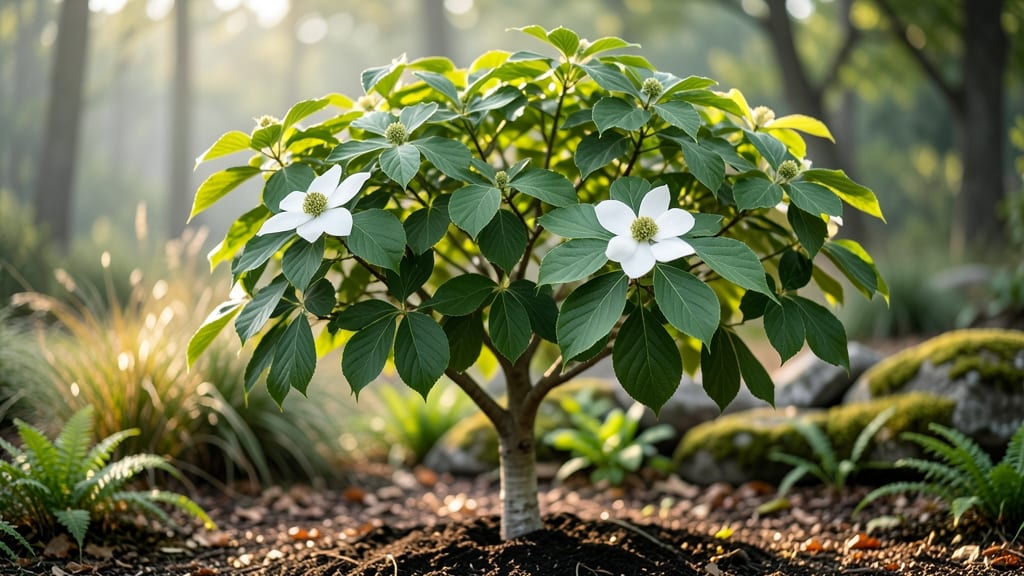
A dogwood tree grows anywhere from 10 to 30 feet tall, depending on the variety you choose — and that range can make all the difference in your yard’s layout.
Picture this: a dwarf cultivar like 'Taylor' fits snugly in a small garden, while a Pacific dogwood 🌳 stretches toward your roof, casting deep shade for summer afternoons. The wrong choice means either wasted space or a tree that outgrows its welcome.
Whether you’re planting for spring blooms, a privacy screen, or a statement focal point, knowing the mature height of each species helps you pick the perfect fit for your space.
Below, I break down the height variations by type, growth rates, and how to control size if needed — so you can plant with confidence and enjoy your dogwood for decades.


Dogwood tree height by variety: from dwarf to giant species
Dogwood trees are prized for their stunning spring blooms and vibrant fall foliage, but their mature heights can vary dramatically depending on the variety. Whether you're planning a small urban garden or a sprawling backyard landscape, choosing the right dogwood height ensures your space stays balanced and beautiful.
Some varieties stay under 10 feet, while others reach towering heights of 30+ feet—let’s explore the full range!
The flowering dogwood (Cornus florida) is the most iconic, typically growing 20-30 feet tall, but its cultivars offer compact alternatives. Meanwhile, the Pacific dogwood (Cornus nuttallii) can dwarf even the largest flowering dogwoods, reaching heights of 40+ feet in ideal conditions.
For smaller spaces, dwarf varieties like 'Taylor' or 'Constellation' provide all the beauty without the bulk.
Here’s a quick comparison of mature heights across popular dogwood varieties, including growth rates and spacing tips to help you visualize their potential in your landscape.
| Variety | Mature Height (ft) | Growth Rate (ft/year) | Ideal Spacing (ft) | Best For |
|---|---|---|---|---|
| Pacific Dogwood (Cornus nuttallii) | 40-60 | 1.5-2.5 | 25-30 | Large landscapes, focal points |
| Flowering Dogwood (Cornus florida) | 20-30 | 1-1.5 | 15-20 | Medium yards, shade trees |
| Kousa Dogwood (Cornus kousa) | 20-25 | 1-1.5 | 15-20 | Urban gardens, disease resistance |
| 'Cherokee Brave' (Flowering Dogwood) | 15-20 | 0.8-1.2 | 12-15 | Small yards, containers |
| 'Taylor' (Dwarf Flowering Dogwood) | 6-10 | 0.5-0.8 | 8-10 | Patios, small gardens |
| 'Constellation' (Flowering Dogwood) | 12-15 | 0.7-1.0 | 10-12 | Foundation planting |
| 'Golden Tiara' (Kousa Dogwood) | 10-15 | 0.6-1.0 | 8-10 | Small spaces, containers |
| 'Stella Compacta' (Flowering Dogwood) | 8-12 | 0.5-0.7 |
How to choose the right dogwood tree height for your landscapeSelecting the perfect dogwood tree height depends on your yard size, sunlight conditions, and intended use. A 20-foot Pacific dogwood won't fit in a small courtyard, while a 10-foot dwarf cultivar might struggle to provide shade in a large garden. Understanding these factors ensures your dogwood thrives without crowding other plants or overwhelming your space. Before planting, consider whether you need a shade provider, a specimen tree for focal points, or a small garden accent. Dogwoods grow at different rates—some reach maturity in 10 years, while others take 20+ years. Your USDA hardiness zone also plays a role, as colder climates may slow growth. Dogwood Tree Height: Pros & Cons by Use
Tall Dogwoods (20-30 ft)
Best for: Open landscapes, backyard shade, or street trees.
Medium Dogwoods (12-20 ft)
Best for: Front yards, patio shade, or mixed borders.
Dwarf Dogwoods (6-12 ft)
Best for: Urban gardens, balconies, or small patios.
⚠️ Common Mistake: Planting a tall dogwood too close to structures or power lines!
Avoid the common mistake of planting dogwoods too closely together. Most varieties need 15-25 feet of spacing to prevent root competition and ensure proper airflow, which reduces disease risk. If you're unsure about future growth, check the mature height on the nursery tag—this is your best guide. To control height naturally, prune in late winter or early spring before new growth begins. Remove sucker growth at the base and trim back overly long branches by up to one-third of their length. For container-grown dogwoods, prune more aggressively to maintain compact size, but avoid heavy pruning in USDA zones 5-6 during late summer. Estimate future growth by checking your USDA hardiness zone. Dogwoods in zones 5-7 grow slower than those in zones 8-9, where they can reach maturity 20% faster. For example, a Pacific dogwood in zone 8 may hit 25 feet in 15 years, while the same tree in zone 6 might take 20 years. If you're still unsure, start with a dwarf cultivar like 'Taylor' or 'Constellation'—they’re forgiving and easy to move if needed. For larger spaces, opt for Pacific dogwood or florida dogwood varieties, but give them room to grow. With the right height choice, your dogwood will be a showstopper for decades! 🌳 |