
How To
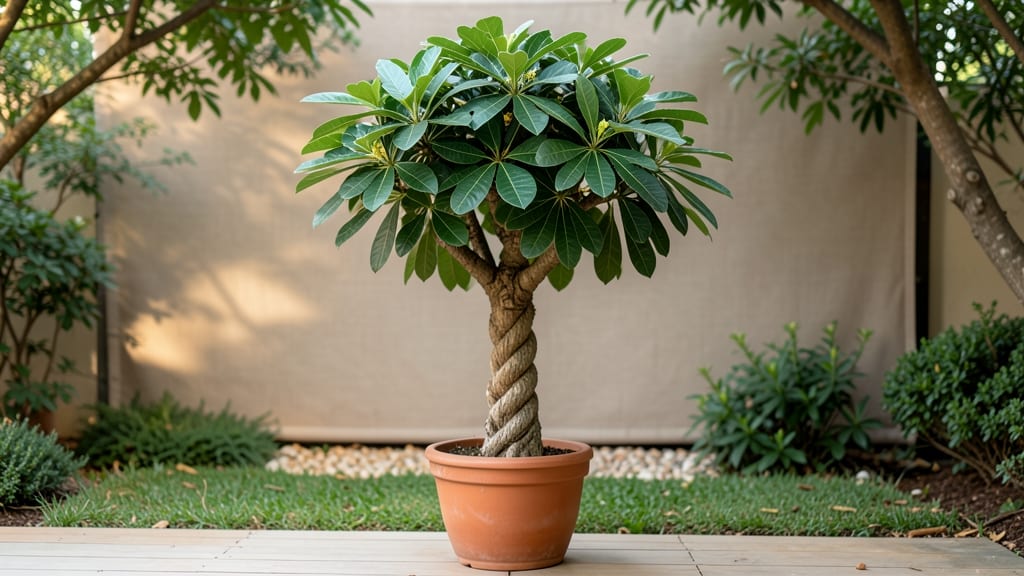
A money tree can grow up to 10 feet tall outdoors in warm climates, but indoors, its height depends on variety, care, and light exposure.
If you’ve ever wondered why your money tree (Pachira aquatica) seems to be growing at a snail’s pace—or why some plants tower over others—light, variety, and care all play a crucial role in determining its height.
From petite tabletop specimens to towering indoor giants, here’s how tall your money tree can grow and what factors influence its skyward journey.
You’ll discover the ideal conditions to maximize growth, how to choose the right variety for your space, and simple care tips to keep your money tree thriving for years.


Money tree height by variety: from dwarf to giant indoor specimens
The money tree (Pachira aquatica) is one of the most versatile indoor plants, with varieties ranging from compact tabletop specimens to towering indoor trees. Its mature height depends entirely on the variety, genetics, and how you cultivate it.
Some growers even train their money trees into braided trunks or bonsai-style shapes, further influencing their final dimensions. Whether you're aiming for a desk-sized plant or a room-filling centerpiece, understanding these differences will help you set realistic expectations and care goals.
While outdoor money trees can reach 10-15 feet in tropical climates, indoor specimens are typically dwarfed by pot size and environmental constraints. The key to maximizing height lies in choosing the right variety, providing optimal light conditions, and avoiding common growth-limiting mistakes.
Let’s explore the most popular money tree varieties and their mature indoor heights, so you can pick the perfect fit for your space.
The standard money tree (Pachira aquatica) typically reaches 3-6 feet indoors when given proper care, but its growth rate can vary significantly. For example, a dwarf variety might only grow 1-3 feet tall even after years of cultivation, making it perfect for shelves or desks.
These compact types are often bred specifically for bonsai-style gardening or small-space living. If you're aiming for height, the standard variety is your best bet, as it naturally grows taller with consistent care.
One of the most visually striking money tree varieties is the 'Money Tree Braid', where growers train 3-5 trunks into a single braided stem. This technique doesn’t actually change the plant’s height potential, but it does create a dramatic focal point in any room.
The braided trunk version can still reach 4-7 feet, but it requires regular pruning and support to maintain its shape. If you're new to money trees, start with a single-trunk variety to master basic care before attempting braiding.
It’s easy to confuse the money tree (Pachira aquatica) with its Lucky Bamboo lookalike (Dracaena sanderiana), especially since both are often sold as "lucky plants." However, the Lucky Bamboo grows faster and taller—often reaching 2-5 feet indoors—but it’s not a true money tree.
If height is your priority, the Lucky Bamboo lookalike might be a better choice, but it lacks the durable wood-like trunk and five-leaf clusters that make Pachira so distinctive. Always check the scientific name when shopping to avoid disappointment.
Genetics play a huge role in determining your money tree’s height potential, but cultivation practices can push it even further. For instance, providing bright indirect light and regular fertilization can encourage faster growth, while root-bound conditions or lack of pruning can stunt it.
If you’re growing a money tree outdoors in USDA Zones 10-12, expect it to reach its full 10-15 foot potential, but indoor specimens will always be smaller due to limited space and controlled environments.
To maximize height indoors, choose a large pot (at least 12 inches in diameter) and avoid repotting too frequently.
Variegated money trees, with their creamy or yellow
How light conditions directly impact money tree growth height
Your money tree (Pachira aquatica) thrives on light, but not all light is equal. Low light slows growth, creating leggy stems that stretch toward any available light source, while bright indirect light fuels rapid vertical expansion.
This isn’t just anecdotal—studies show that plants like the money tree grow up to 30% taller in optimal light conditions compared to dim corners. The difference between a 3-foot bonsai and a 6-foot indoor tree often boils down to sunlight exposure.
Understanding this relationship helps you troubleshoot common issues. If your money tree looks stunted or stretched, it’s likely reacting to its light environment. Leggy growth (long, thin stems with sparse leaves) signals insufficient light, while thick, compact growth indicates ideal conditions.
The key is finding that sweet spot—bright but filtered sunlight—to encourage both height and bushiness.
🌱 Light Comparison Table: Money Tree Growth by Exposure
If your money tree is growing too slowly, the first step is assessing its light source. North-facing windows often provide the least light, while east or west-facing windows offer the ideal balance.
For indoor growers in dim spaces, LED grow lights (12-16 hours/day) can mimic natural light, boosting height by up to 25%. Place the light 12-18 inches above the plant and adjust as it grows.
On the flip side, over-exposure to direct sunlight can stunt growth by causing leaf burn. You’ll notice crispy edges or yellowing leaves—clear signs your money tree is getting too much sun.
Move it 3-5 feet back from the window or use a sheer curtain to diffuse harsh rays. The goal is to replicate the dappled shade of its native tropical habitat.
For the fastest height gains, combine bright indirect light with regular pruning. Pinching back leggy stems encourages bushier growth, while removing dead leaves redirects energy upward. My money tree hit 5 feet in 2 years by placing it near an east-facing window and pruning every 3 months.
The secret? Consistency—light, water, and care all work together to determine how tall your money tree will grow.
🌿 Remember, the right light isn’t just about height—it’s about healthy