
How To
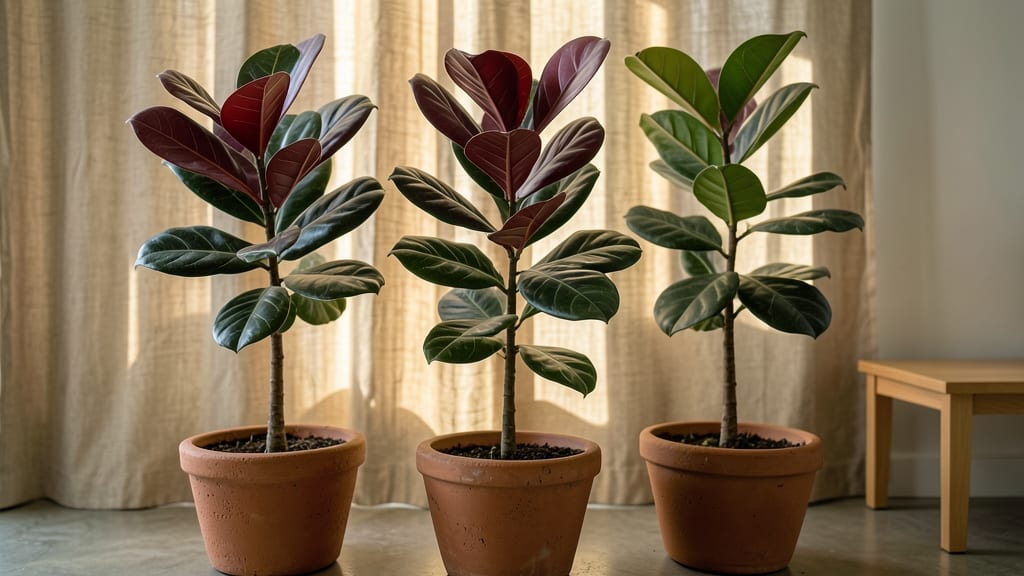
A rubber tree can grow up to 35 feet tall in ideal outdoor conditions 🌿 — but indoors, it’s more likely to top out at 10 feet without help.
Wondering if your rubber tree could one day reach the ceiling—or even your roof? The height of a rubber tree (Ficus elastica) depends entirely on where you grow it, and the difference between indoor and outdoor growth is staggering.
Outdoors, with plenty of space and sunlight, these trees can become towering giants, while indoors, their growth is naturally slower and more manageable.
Whether you’re dealing with a 10-foot indoor giant or a 35-foot outdoor monster, understanding the factors that influence height is key to keeping your rubber tree happy and under control.
In this guide, I’ll break down how tall rubber trees can get in different settings, what affects their growth, and the best ways to prune or care for them to keep them at your ideal height—whether that’s a compact houseplant or a managed outdoor specimen.


Indoor rubber tree height limits: how big can it get inside?
Your rubber tree (Ficus elastica) might start as a small houseplant, but without proper care, it can quickly outgrow its indoor space. On average, indoor rubber trees reach 6 to 10 feet tall within 5–10 years if left unpruned.
However, their growth is heavily influenced by factors like pot size, light exposure, and pruning habits. Understanding these elements helps you manage its height and keep it thriving in your home.
Unlike their outdoor counterparts, which can tower over 30 feet in tropical climates, indoor rubber trees grow slower due to limited space and controlled conditions. The key to managing their height lies in container selection, light placement, and regular maintenance.
For example, a tree in a 12-inch pot will grow more slowly than one in a 24-inch container, where roots have more room to expand.
Light plays a critical role in determining how tall your rubber tree grows. Place it near an east or west-facing window to provide bright indirect light without exposing it to harsh afternoon sun.
If your tree is in a north-facing room with limited light, expect slower growth and smaller leaves. Conversely, a south-facing window with filtered light can push growth to the upper end of the 6–10 foot range within a decade.
Pruning is the most effective way to control rubber tree height. By trimming back 10–20% of new growth in early spring, you encourage bushier growth and prevent it from becoming a towering indoor tree.
Use sterilized pruning shears to cut just above a leaf node, and avoid over-pruning, which can stress the plant. For a more compact look, prune the topmost branches to redirect energy to lower growth.
Pot size directly affects root development and, consequently, height. A rubber tree in a 12-inch pot will grow more slowly than one in a 24-inch container, where roots can spread freely. However, avoid oversized pots, as excess soil can retain too much moisture, leading to root rot.
Upgrade your pot by 1–2 inches in diameter every 2–3 years to support gradual growth without encouraging rapid height spikes.
Humidity levels in your home also impact growth rates. Rubber trees thrive in 40–60% humidity, but dry indoor air—common in winter—can stunt growth and cause leaf drop.
Use a humidifier or pebble tray to maintain optimal moisture levels, especially if your tree is near a heating or cooling vent. Proper humidity ensures steady growth and helps your rubber tree reach its full indoor height potential.
Fertilizing your rubber tree with a balanced 10-10-10 formula every 4–6 weeks during spring and summer promotes healthy growth. Avoid over-fertilizing, which can lead to salt buildup in the soil and root damage.
Instead, feed lightly and flush the soil with water monthly to prevent nutrient imbalances. Consistent fertilization helps your tree grow steadily within its indoor height limits.
If you’re concerned about your rubber tree outgrowing its space, consider topiary training to shape it into a bush or small tree. This method involves pruning and wiring branches to create a desired form, such as a standard tree shape or espalier design.
Topyiary not only controls height but also adds an artistic touch to your indoor garden. Start training young plants for the best results, but you can shape mature trees with patience and care.
Monitor your rubber tree’s growth annually by measuring its height and adjusting care as needed. If it’s growing too quickly, reduce fertilization or prune more aggressively. If growth stalls, evaluate light exposure, humidity, or pot size.
With the right balance of light, pruning, and container management, you can keep your rubber tree at a manageable height while enjoying its lush, glossy foliage for years to come.
Remember, a rubber tree’s indoor height is entirely manageable with proactive care. By understanding its growth habits and adjusting conditions as needed, you can ensure it stays within your desired 6–10 foot range—or even smaller—without compromising its health or beauty. 🌿
Outdoor rubber tree growth: when and how tall can it really get?
When you plant a rubber tree (Ficus elastica) outdoors, its growth potential skyrockets compared to indoor conditions. In ideal tropical climates, these trees can reach 20–35 feet tall, while even in temperate zones, they’ll easily surpass 10–15 feet without intervention.
The key difference? Outdoor rubber trees grow 3–5 times faster due to abundant sunlight, space, and natural humidity.
Your rubber tree’s height depends on three critical factors: climate, soil quality, and seasonal changes. In warm, humid regions like Florida or Hawaii, expect rapid vertical growth—up to 3–5 feet per year.
Meanwhile, in cooler zones (USDA 8–10), growth slows to 1–2 feet annually unless you provide winter protection.
Here’s how environmental conditions directly impact height:
Soil plays a huge role in outdoor growth. Rubber trees thrive in well-draining, slightly acidic soil (pH 6.0–6.5). Amend heavy clay with compost to prevent root rot, which stunts growth. In sandy soils, mulch heavily to retain moisture—drought stress can halt height gains entirely.
I’ve seen rubber trees in Florida gardens grow 50% taller when planted in enriched soil compared to poor-quality dirt.
Seasonal changes also dictate growth spurts. In spring and summer, your rubber tree will shoot up new leaves and branches rapidly—this is when pruning is most effective for shaping. However, if you live in a USDA zone below 8, expect winter dormancy to pause growth entirely.
Even in mild climates, cooler months slow down vertical expansion, so focus on root care to ensure a strong rebound in spring.
To maximize height (or control it), monitor these three critical signs: leaf size, branch density, and trunk thickness. Large, glossy leaves signal robust growth, while sparse foliage means your tree is struggling.
If you’re aiming for a tall specimen tree, avoid heavy pruning—let it grow wild. For a managed height, prune back by 1/3 in late winter to encourage bushier, slower vertical growth.
With the right conditions, your outdoor rubber tree could become a stunning focal point—just imagine a 30-foot tropical giant in your backyard! Start with rich soil, protect it from frost, and watch it soar. 🌳