
How To
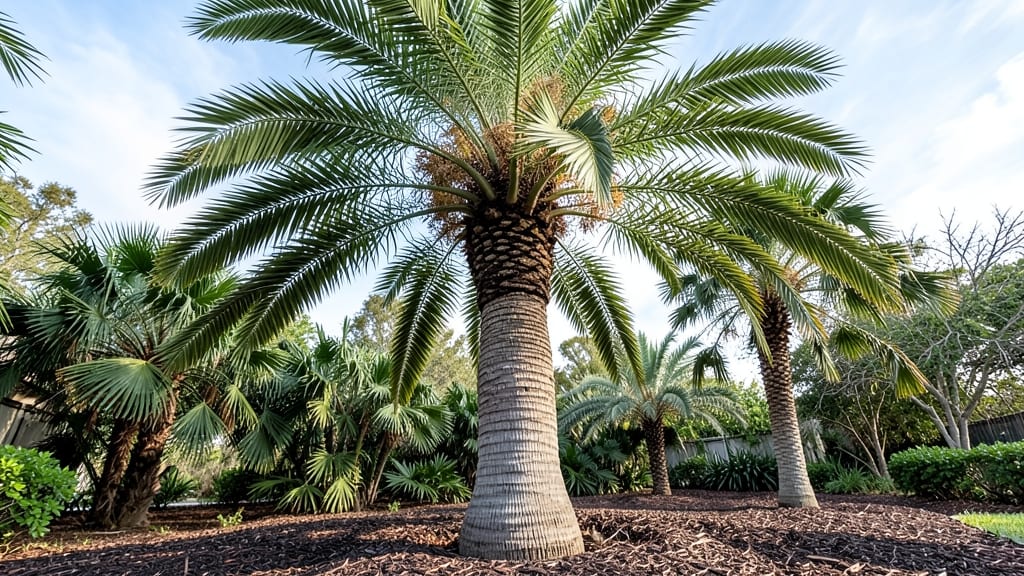
A palm tree can grow how tall can a palm tree grow anywhere from 6 feet to over 200 feet, depending on the species and growing conditions—so your backyard could end up with a towering tropical giant or a compact ornamental stunner.
Picture this: a 100-foot coconut palm swaying in your coastal yard, or a dwarf pygmy date palm perched on your patio, adding just the right amount of drama without stealing your neighbor’s view.
The difference isn’t just in height—it’s in how fast they grow, how much space they need, and whether they’ll survive your climate.
Fast-growing varieties like the Mediterranean fan palm can shoot up 2–3 feet per year, while slower growers take decades to reach their full potential. But here’s the catch: some species thrive in USDA zones 9–11, while others need protection from even light frosts.
Before you dig that hole, you’ll want to know which palms will stretch toward the sky—and which will stay humble in your space.
In this guide, I’ll break down the tallest (and fastest) palm trees, the factors that make them skyrocket or stay small, and how to pick the perfect variety for your yard—whether you’ve got plenty of room or just a cozy corner to call home.


Palm tree height by species: from dwarf to giant varieties
Choosing a palm tree often comes down to one key question: how tall can a palm tree grow in your space? The answer varies wildly—from 6-foot dwarf palms perfect for patios to 200-foot giants that dominate coastal landscapes.
Your climate, yard size, and species selection all determine whether you’ll need to prune regularly or simply admire from afar. Let’s break down the extremes so you can pick the perfect fit for your garden.
Most palm trees fall into three height categories: dwarf (under 15 ft), medium (15–50 ft), and tall (50+ ft). The pygmy date palm stays under 12 feet, while the coconut palm can reach 100 feet or more.
Even within a single species, growth habits differ—some grow 3 feet per year in ideal conditions, while others creep along at just 6 inches annually. Understanding these ranges helps avoid surprises down the line.
🌴 Comparison Table: Palm Tree Heights by Species
The pygmy date palm is my top recommendation for small spaces—it thrives in 15-gallon containers and adds tropical flair without overwhelming your patio. Meanwhile, the majesty palm grows 2 feet per year, making it one of the fastest options for filling space quickly.
If you’re in USDA Zone 10 or warmer, you can even grow coconut palms, though they’ll need 100+ feet of clearance for their mature height.
Climate plays a huge role in height potential. Tropical palms like the coconut palm need consistent warmth and high humidity to reach their full height, while drought-tolerant varieties (e.g., California fan palm) stay smaller in arid conditions.
Even within the same species, a palm in full sun may grow 30% taller than one in partial shade. Always check your local USDA zone before planting—some species simply won’t thrive outside their ideal range.
For urban gardeners, consider slow-growing palms like the Mediterranean fan palm, which tops out at 25 feet but grows just 1–2 feet per year. This gives you time to plan pruning or even transplanting if needed.
On the other hand, fast growers like the Chinese fan palm can add 3 feet annually, so monitor their growth closely to avoid overcrowding nearby plants.
Pruning isn’t just for aesthetics—it’s essential for tall palms to maintain structural integrity. Remove dead fronds regularly to prevent disease, and trim overly long fronds to redirect energy upward. Even dwarf palms benefit from occasional pruning to encourage bushier growth.
Just remember: never remove more than 1/3 of the fronds at once, or you risk stressing the tree.
If you’re torn between species, start with three key questions:
- How much space do I have?
How fast do palm trees grow and what affects their height?
Palm trees are famous for their dramatic height, but their growth speed varies wildly depending on the species and growing conditions.
Some varieties like the Mediterranean Fan Palm grow just 6 inches per year, while others, such as the Coconut Palm, can shoot up 2–3 feet annually under ideal conditions. Understanding these differences helps you choose the right palm for your space and climate.
Several factors influence how quickly a palm tree reaches its mature height. The most critical are climate, soil quality, sunlight exposure, and watering habits.
For example, a Royal Palm in Florida’s warm, humid climate may grow twice as fast as the same species planted in California’s coastal fog belt. Let’s break down the key elements that shape palm tree growth.
🌱 Key Factors Affecting Palm Tree Growth Speed
- 1. Climate & USDA Zone: Palms thrive in USDA Zones 9–11. Cooler zones slow growth, while tropical climates accelerate it. Coconut Palms grow fastest in Zone 10+.
- 2. Soil Quality: Well-draining, slightly acidic soil (pH 5.5–6.5) with organic matter promotes faster growth. Compacted or waterlogged soil stunts height gains.
- 3. Sunlight: Full sun (6+ hours daily) maximizes growth. Partial shade can reduce height by 30–50% in some species.
- 4. Watering: Deep, infrequent watering (every 7–14 days) encourages strong root systems and faster vertical growth.
- 5. Fertilization: Balanced 8-2-12 NPK fertilizer applied every 6–8 weeks in spring/summer boosts growth by 20–40%.
- 6. Species Genetics: Fast growers like Windmill Palms reach 10+ feet in 3 years, while Dwarf Palms may take 10+ years to reach 6 feet.
If you’re planting a fast-growing palm, expect visible height gains in the first 2–3 years. For instance, a California Fan Palm can add 1–2 feet annually with proper care, while a Pygmy Date Palm might only grow 6–12 inches per year.
Younger palms focus energy on root development, so early growth is slower but stabilizes as they mature.
One common misconception is that bigger palms always grow faster. In reality, taller species like the Royal Palm may grow 3 feet per year, but their root systems take longer to establish, making them more vulnerable to wind or drought.
Smaller palms like the Pindo Palm grow 1–1.5 feet annually but are easier to manage in urban settings.
To maximize growth, monitor your palm’s frond production. Healthy palms produce 2–4 new fronds per year, indicating steady height increases. If fronds yellow or grow slowly, check for underwatering, poor soil, or pest damage. Adjust care immediately to restore growth momentum.
For container-grown palms, growth rates slow significantly compared to in-ground plants. Potted Mexican Fan Palms, for example, may only grow 6–12 inches per year due to root restriction.
If you’re limited to containers, choose dwarf varieties or upgrade to larger pots (15+ gallons) every 2–3 years to support faster growth.