
How To
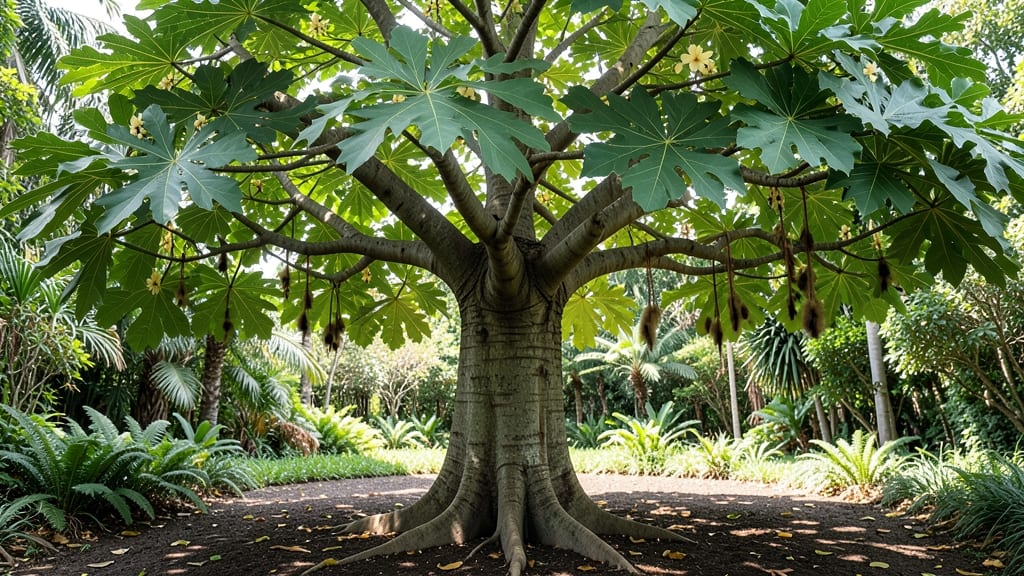
A kapok tree can grow to over 200 feet tall—taller than a 15-story building—when given the right conditions, making it one of nature’s true giants.
Imagine a towering giant of the jungle—where the kapok tree (Ceiba pentandra) stands as a living skyscraper, its canopy piercing the sky. But just how tall can this majestic tree grow, and what factors determine its staggering height?
Most kapok trees reach 100 to 200 feet in tropical climates, but their growth depends heavily on soil quality, sunlight, and rainfall. In ideal conditions, they can grow 5 to 10 feet per year during their early years, though their height slows as they mature.
Whether you’re dreaming of planting one or simply curious about nature’s wonders, we’ll break down how tall kapok trees can grow, what influences their size, and how to care for them in your own space.


Kapok tree height by variety: from small varieties to record-breaking giants
The kapok tree (Ceiba pentandra) is nature's skyscraper, capable of reaching heights that dwarf most urban buildings. While its exact height varies dramatically by variety and growing conditions, some specimens have been recorded at over 200 feet tall—making them one of the tallest trees in tropical forests.
The standard kapok tree typically grows between 100-200 feet, but dwarf varieties can stay under 40 feet in ideal cultivation.
Understanding these variations is crucial for gardeners and landscapers. Whether you're planning a backyard jungle or studying tropical ecosystems, knowing which varieties thrive at different heights helps you make informed decisions.
The tallest recorded kapok tree stands at a staggering 230 feet, found in the Amazon rainforest, where perfect conditions fuel its rapid growth.
Here’s how different kapok tree varieties compare in terms of height, along with their growth patterns and ideal conditions for reaching their full potential.
The standard kapok tree is the most common variety, capable of reaching 200 feet in its native habitat. These giants thrive in tropical climates with high humidity and abundant rainfall, where they can grow 3–5 feet per year during their juvenile phase.
In contrast, dwarf cultivars are bred specifically for smaller spaces, staying under 60 feet even with optimal care.
For those cultivating kapok trees in subtropical zones, growth rates slow significantly. Container-grown varieties, for example, rarely exceed 1 foot of growth per year unless pruned aggressively. The key to maximizing height lies in replicating their natural rainforest conditions, including well-draining, nutrient-rich soil and full sunlight exposure.
One fascinating fact about kapok trees is their buttress roots, which expand as the tree matures to support its massive height. These roots require deep, loose soil to prevent root rot, a common issue in compacted or waterlogged conditions.
If you're growing a kapok tree in a container, ensure the pot is at least 3 feet deep to accommodate root growth.
In urban landscapes, where space is limited, many gardeners opt for dwarf varieties or heavily pruned standard kapok trees. Pruning not only controls height but also encourages a fuller canopy.
However, be cautious—over-pruning can stunt growth and weaken the tree’s structural integrity. Aim to prune only 10–15% of the canopy annually to maintain health.
The tallest kapok trees are typically found in primary rainforests, where they benefit from year-round warmth and consistent moisture. In USDA Zone 10 or higher, these trees can achieve their full height potential, while colder climates limit growth to under 50 feet.
If you're in a cooler subtropical zone, consider planting near a heat-retaining wall or using mulch to protect roots from temperature fluctuations.
For those fascinated by record-breaking kapok trees, the Amazon Basin holds the answer. Trees in this region often surpass 200 feet due to the combination of rich soil, high humidity, and abundant rainfall.
Replicating these conditions in a home garden is challenging but rewarding for dedicated growers.
If you're planning to grow a kapok tree, start small with a dwarf variety to gauge your success before attempting
Climate zones and soil conditions that influence kapok tree growth height
The kapok tree (Ceiba pentandra) thrives in tropical and subtropical climates, where its height potential reaches 100–200 feet under ideal conditions. However, its growth is heavily influenced by temperature, humidity, and soil quality.
In cooler subtropical zones, like USDA Zone 10–12, kapok trees grow slower but still reach 60–80 feet with proper care.
High humidity levels—70–90% relative humidity—are critical for maximizing height. These conditions mimic the tree's native rainforest habitat, where it grows tallest. In drier subtropical climates, growth rates drop significantly, often resulting in stunted trunks and shorter canopies.
Soil composition plays a pivotal role in determining height. Kapok trees prefer well-draining, slightly acidic to neutral soil (pH 6.0–7.5). Heavy clay soils restrict root growth, limiting the tree's ability to absorb nutrients and water, which directly impacts stem elongation and canopy development.
In tropical rainforests, where kapok trees grow tallest, the soil is typically rich in organic matter and nutrients. Adding compost or organic mulch mimics these conditions, promoting faster and taller growth. In contrast, poor soil quality can reduce height by up to 30–50%.
To maximize height, ensure your kapok tree receives full sunlight (6+ hours daily) and consistent moisture. In subtropical zones, supplement with regular fertilization during the growing season to support vertical growth. Avoid waterlogging, as it can cause root rot and stunt growth entirely.
If you're cultivating a kapok tree in a cooler subtropical climate, consider planting it near a heat-retaining wall or using microclimate strategies to extend its growing season. With the right conditions, even smaller varieties can reach impressive heights of 50–70 feet.
Remember, patience is key—kapok trees grow slowly in their early years but accelerate dramatically once established. By optimizing climate, soil, and sunlight, you’ll give your kapok tree the best chance to reach its full sky-piercing potential. 🌿