
Size
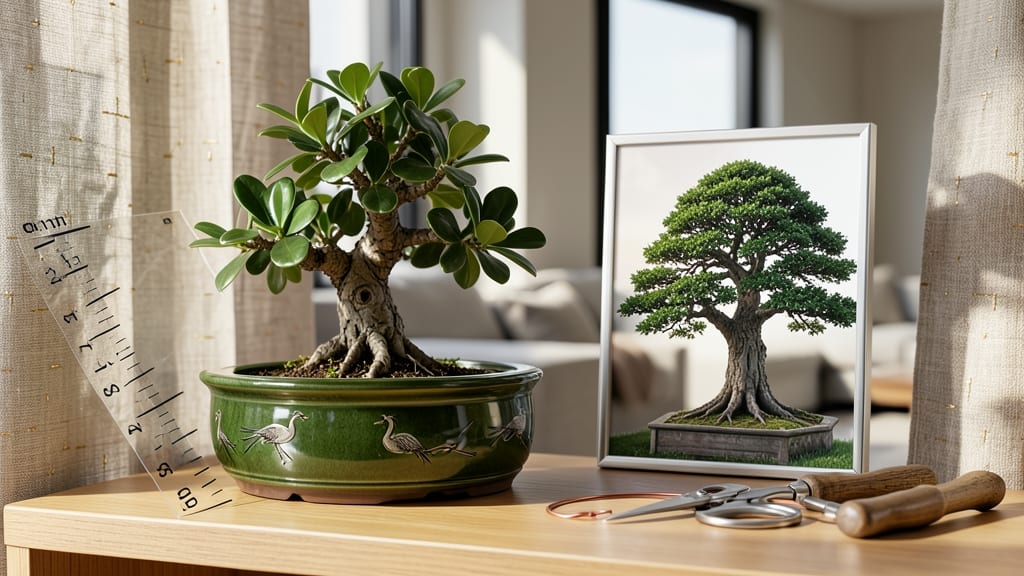
A bonsai tree can grow anywhere from a few inches to over 5 feet tall, depending on how you shape its future—some stay desk-sized, while others become living room statements.
Ever wondered if your bonsai could one day tower over you like a tiny jungle giant? The truth is, most bonsai enthusiasts never see their trees reach their full potential height because they don’t understand the balance between natural growth and human intervention.
What you might think is a "small" bonsai could actually be a monster in the making if you let it.
The key to controlling a bonsai’s height lies in its species, age, and the techniques you use—like pruning, wiring, and root restriction. Some trees, like junipers, naturally stay compact, while others, such as ficus, can stretch surprisingly tall if given the chance.
Understanding these factors is the difference between a pocket-sized masterpiece and a room-filling surprise.
In this guide, I’ll break down the real limits of bonsai growth, share which species can grow the tallest, and reveal the game-changing techniques to keep your tree at your desired height—or let it reach for the sky.


Natural vs. forced growth: what determines a bonsai’s maximum height?
The height of your bonsai isn’t just about luck—it’s a delicate dance between biology and human intervention. While most bonsai stay between 1-3 feet, some defy expectations by reaching 5+ feet with the right care.
The key lies in understanding whether your tree is following its natural growth path or being forced into a different trajectory through techniques like pruning and root restriction.
For example, a juniper bonsai left untouched in a forest could grow to 50 feet tall, but the same species in a bonsai pot rarely exceeds 3 feet. This dramatic difference proves that root restriction and pruning frequency are the real game-changers.
Even the age of the tree plays a role—young bonsai grow faster, while mature specimens slow down, allowing for finer control over their height.
⚠️ CRITICAL INSIGHT: The "maximum height" of a bonsai isn’t a fixed number—it’s a negotiation between what the species could grow and what you allow it to become. Some gardeners intentionally push their bonsai toward taller dimensions, creating what’s called a "monster bonsai," while others meticulously keep them miniature.
| Factor | Natural Growth Potential | Forced Growth Potential (Bonsai) | Example Species |
|---|---|---|---|
| Species Type | 10-50+ feet | 1-5 feet | Ficus (3-5 ft), Juniper (2-3 ft), Pine (4-6 ft) |
| Root Restriction | Unlimited (natural soil) | Severely limited (small pots) | All bonsai species |
| Pruning Frequency | None (natural growth) | Regular (every 2-4 weeks) | Ficus, Maple, Azalea |
| Wiring Technique | N/A | Guides trunk/branches upward | Pine, Elm, Willow |
| Age Factor | Grows taller over decades | Slower growth after maturity | All species (e.g., 100-year-old Ficus) |
| Container Size | Large (natural habitat) | Small (6"-12" diameter) | Juniper, Maple, Azalea |
Let’s break down the three core factors that determine whether your bonsai stays tiny or towers over your bookshelf. First, species selection sets the baseline—fast-growing trees like ficus can reach 5 feet in bonsai form, while slow growers like juniper max out around 3 feet.
Second, root restriction is non-negotiable: smaller pots force the roots to compete for nutrients, stunting vertical growth. Finally, pruning and wiring techniques either encourage upward growth or keep the tree compact.
I once saw a 6-foot-tall bonsai pine at a Tokyo exhibition—it looked like a miniature redwood! The secret? The grower used large containers and minimal pruning for years, letting the tree focus on height rather than width.
This proves that with the right approach, even traditionally small species can become "monsters."
On the flip side, defoliation and frequent repotting are the secrets to keeping bonsai petite. For example, a maple bonsai can stay under 2 feet if you defoliate its leaves every 2-3 years—this shock signals the tree to grow smaller, denser foliage.
The trade-off? Slower growth overall, but tighter branches and a more refined silhouette.
Age also plays a sneaky role. Young bonsai trees grow 1-2 inches per year if left unchecked, but after 10+ years, their growth slows to just ½ inch annually.
This is why veteran bonsai growers often work with older trees—they’re easier to shape and less likely to outgrow their containers unexpectedly.
If you’re aiming for a taller bonsai, start with a larger container (up to 12 inches wide) and reduce pruning to just 2-3 times per year. For height control, use smaller pots (under 6 inches) and prune every 4-6 weeks. The key is consistency
Species-specific height limits: which bonsai trees can grow tallest?
Not all bonsai trees stay small—some species naturally reach impressive heights when given the right conditions. While most bonsai enthusiasts aim for miniature masterpieces, a few varieties can grow into monster bonsai specimens, defying expectations.
The key difference lies in their natural growth rates and how well they tolerate root restriction techniques.
Fast-growing species like ficus and Chinese elm can reach heights of 5 feet or more with proper care, while slower growers like juniper or pine rarely exceed 3 feet even under ideal conditions.
Your choice of species determines whether you'll be styling a pocket-sized masterpiece or a tall, dramatic statement piece.
Ficus bonsai trees top the chart as the fastest-growing species, capable of reaching over 5 feet when cultivated as a monster bonsai. Their rapid growth makes them ideal for beginners who want to see dramatic height gains in just a few years.
However, their thick trunks require careful pruning to maintain balance and aesthetics.
The Chinese elm follows closely behind, offering a balanced growth rate that's easier to manage than ficus. With proper wiring techniques and seasonal pruning, you can guide its height toward 4-5 feet while keeping its foliage dense and vibrant.
This species thrives in both indoor and outdoor environments, making it versatile for different gardeners.
For those who prefer slower-growing but elegant specimens, Japanese maple bonsai offer stunning autumn colors while reaching heights of 3-4 feet. Their delicate leaves and intricate branching patterns make them prized among collectors, though their sensitivity to cold requires careful winter protection in colder climates.
If you're aiming for a classic bonsai look with textured bark and resilient foliage, juniper and pine species are excellent choices. While they typically max out at 2-3 feet, their natural ruggedness and long lifespan make them rewarding long-term projects.
These species benefit from regular defoliation to maintain compact growth.
Remember, even the tallest bonsai start as small seedlings. The key to encouraging height growth lies in minimal root pruning, larger container sizes, and consistent fertilization during the growing season.
With patience and the right species, you can cultivate a bonsai that becomes a conversation piece in your garden or home.