
Orchid Care
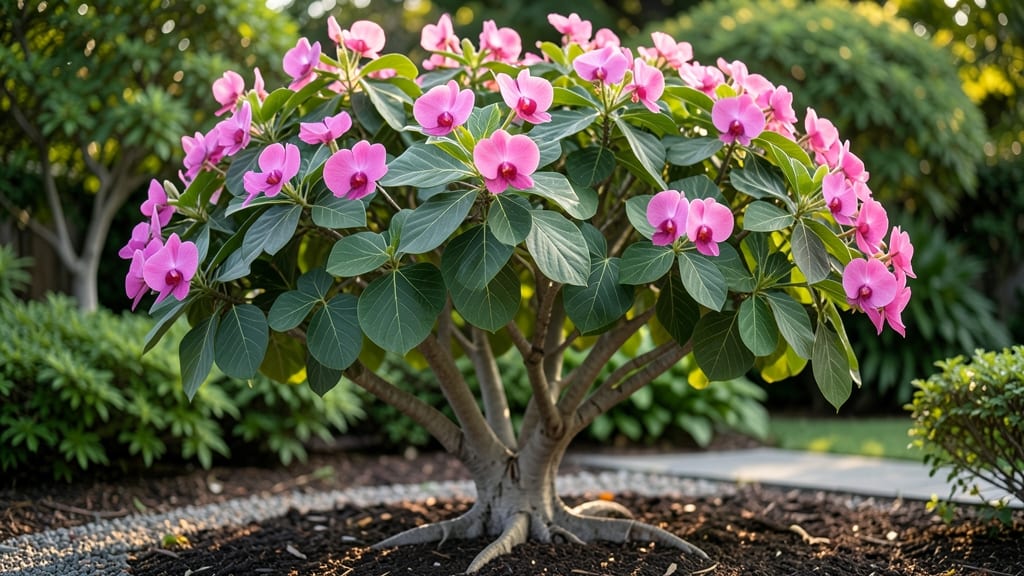
Transform your urban garden with the Hong Kong orchid tree Phoenix, a stunning dwarf variety that delivers vibrant purple blooms year after year. 🌸 This compact tree thrives in Hong Kong’s subtropical climate, making it perfect for balconies and small spaces where big trees won’t fit.
The secret to success is simple: well-draining soil, bright but indirect sunlight, and regular watering without soggy roots. I’ve grown mine in containers for years—just ensure the pot has drainage holes and use a mix of potting soil and perlite for that perfect airy texture.
By late spring, you’ll see clusters of fragrant flowers that last for weeks, followed by striking seed pods that add texture. The tree stays compact (typically 6-10 feet tall), so it won’t overwhelm your space but will still make a bold statement.
For Hong Kong’s hot summers, provide afternoon shade to prevent leaf scorch, and prune lightly after flowering to encourage bushier growth. Pests are rare, but watch for aphids—just spray with soapy water if you spot them.
📚 In This Guide
- What you need
- Instructions
- Tips and common mistakes
- Wrapping up and next steps
What you need
- ● Dwarf Orchid Tree Seedling or Small Potted Plant: 1–2 plants (3–6 inches tall for best adaptability)
- ● Choose a healthy, well-rooted specimen from a reputable nursery (e.g., Hong Kong specialty growers).
- ● Well-Draining Potting Mix: 50% cactus/succulent mix (for aeration)
- ● 30% orchid bark or perlite (to prevent root rot)
- ● 20% compost or worm castings (for nutrients)
- ● Container: 1–2 drainage holes required
- ● Size: 10–12 inches in diameter (for dwarf varieties; upgrade as it grows)
- ● Terracotta or fabric pots recommended (prevents root binding).
- ● Fertilizer: Balanced liquid fertilizer (10-10-10) or orchid-specific slow-release granules
- ● Dilute to ½ strength for young plants.
- ● Pruning Tools: Sterilized bypass pruners (for shaping and deadheading)
- ● Garden shears (for larger branches).
- ● Mulch: Pine bark or gravel to retain moisture and regulate temperature.
- ● Support Stakes: Lightweight bamboo or plastic stakes (3–4 feet tall) if training the plant vertically.
- ● Humidity Tray: A shallow tray with pebbles + water to boost humidity in dry climates.
- ● Growth Regulator: Seaweed extract or mild rooting hormone for propagation (if cloning cuttings).
Step-by-Step instructions for growing a dwarf Hong Kong orchid tree Phoenix
Let’s get your compact urban tree thriving with these simple, foolproof steps.
🪴 Step 1: Choose the Right Container and Soil Mix
Start with a 12-15 inch diameter pot—just large enough to support the tree’s dwarf roots without overwhelming its compact growth habit. Make sure it has drainage holes to prevent root rot, which is a common killer of orchid trees in urban settings. I like to add a 2-inch layer of gravel or broken pottery at the bottom to improve drainage further.
Use a well-draining potting mix—I blend 50% premium cactus/succulent mix with 30% perlite and 20% orchid bark for aeration. This mimics the tree’s natural rocky soil conditions. Avoid garden soil—it compacts and holds too much moisture. Fill the pot halfway with your mix before planting.
☀️ Step 2: Position for Bright, Indirect Light
The Hong Kong Orchid Tree thrives in bright, indirect light—think east or west-facing windows where it gets morning or afternoon sun but avoids harsh midday rays. If you only have a south-facing window, place it 6-8 feet back from the glass to diffuse the light. Too much direct sun will scorch the glossy leaves.
Watch for yellowing leaves—this is your first sign of too much sun. If you notice crispy edges or faded color, move the tree further from the window. In low-light conditions, the leaves may stretch and lose their vibrant color, so rotate the pot quarter-turn weekly to encourage even growth.
💧 Step 3: Water Deeply but Infrequently
Let the soil dry out completely between waterings—stick your finger 2 inches deep into the soil. If it feels dry, it’s time to water. I use the "soak-and-drain" method: Pour water until it runs freely from the drainage holes, then empty the saucer to prevent soggy roots. Overwatering is the #1 way to kill orchid trees, so never let it sit in standing water.
In winter, when growth slows, reduce watering to every 3-4 weeks. The tree stores water in its thick trunk, so it’s surprisingly drought-tolerant once established. If the leaves start to wrinkle or droop, it’s thirsty—but if they turn yellow and mushy, you’ve overwatered.
✂️ Step 4: Prune for Shape and Health
Pruning encourages bushier growth and keeps your dwarf variety compact. Trim back overly long branches in early spring using clean, sharp pruners, cutting just above a leaf node. Avoid heavy pruning in fall or winter, as the tree needs energy to store for dormancy. I like to shape mine into a rounded canopy—this mimics its natural habit and makes it perfect for small spaces.
Remove any dead, yellow, or diseased leaves immediately to prevent pests. If you notice brown tips, it’s usually a sign of low humidity or fluoride buildup from tap water. Switch to filtered or distilled water and consider placing the pot on a pebble tray with water to boost humidity without soggy soil.
🌿 Step 5: Fertilize Lightly During Growing Season
Feed your tree once a month from spring to early fall with a balanced, water-soluble fertilizer (like 20-20-20) diluted to half-strength. Over-fertilizing burns roots and causes leaf scorch. I skip fertilizing in winter—this gives the tree a chance to rest and recover. Always water the tree before applying fertilizer to prevent root burn.
If you notice slow growth or pale leaves, it might need a boost. Try a seaweed-based fertilizer for a gentler option. Avoid slow-release granules—they can overfeed in small pots. Flush the soil every 3 months with plain water to wash out salt buildup from fertilizers.
Tips & tricks for perfect dwarf Hong Kong orchid tree Phoenix care
Here’s what nobody tells you about keeping your compact urban tree thriving—these tricks make all the difference in the long run.
Container Size Matters: That 12-15 inch pot isn’t just a suggestion—it’s crucial for preventing root-bound stress. If you choose a larger pot, the excess soil stays damp too long, inviting root rot. I’ve seen people use 18-inch pots and end up with soggy soil issues. Stick to the recommended size, and if you’re worried about outgrowing it, repot every 2-3 years in spring using the same soil mix.
Light Adjustment Hack: The quarter-turn weekly rotation in Step 2 isn’t just about even growth—it’s your early warning system. If you notice leaves leaning toward one window, that’s your tree telling you it needs more light on that side. I keep a small mirror near my south-facing window to reflect extra light onto my tree during winter months when sunlight is scarce. This simple trick prevents that sad, leggy look.
Soil Mix Pro Tip: When blending your 50% cactus/succulent mix with 30% perlite and 20% orchid bark, don’t skip the orchid bark—it’s the secret to aeration. I like to add a handful of coarse sand (optional) to the mix for even better drainage, especially if you live in a humid climate. The bark breaks down over time, so refresh your soil mix every year by adding more bark to maintain that perfect airy texture.
Winter Care Strategy: Those 3-4 week watering intervals in winter might seem extreme, but trust me on this: your tree’s thick trunk stores moisture like a natural water tower. The key is to check soil moisture by inserting your finger 2 inches deep—if it’s still damp, wait longer. I’ve had trees survive months without water during winter dormancy, but the secret is never letting water pool in the saucer. This winter care routine prevents the most common killer of indoor orchid trees: overwatering.
Pro Tips for Hong Kong Orchid Tree Phoenix
- Here’s what nobody tells you about keeping your compact urban tree thriving—these tricks make all the difference in the long run.
- Container Size Matters: That 12-15 inch pot isn’t just a suggestion—it’s crucial for preventing root-bound stress.
- Light Adjustment Hack: The quarter-turn weekly rotation in Step 2 isn’t just about even growth—it’s your early warning system.
Frequently asked questions
Got questions about your Hong Kong Orchid Tree Phoenix (Bauhinia blakeana) dwarf variety?
Here are answers to the most common ones—from pruning to pests and beyond!
How often should I prune my dwarf Hong Kong Orchid Tree?
Prune your dwarf variety 2-3 times a year—lightly after flowering (to encourage blooms) and more heavily in late winter or early spring. Avoid heavy cuts in summer, as it can stress the plant. Use clean, sharp shears and sterilize them with rubbing alcohol to prevent disease. Pro tip: Never cut more than 1/3 of the plant’s foliage at once!
Why aren’t my orchid tree leaves turning pink?
Pink foliage is a mature plant trait—your dwarf variety may take 2-5 years to develop vibrant hues. Boost color with morning sun (3-4 hours daily) and well-draining soil. Overwatering or poor drainage can also dull colors. Try this: Add a balanced fertilizer (10-10-10) in spring to encourage healthy growth!
What pests should I watch for, and how do I treat them?
Common pests include aphids, spider mites, and scale insects. Check undersides of leaves weekly! For mild infestations, spray with neem oil or insecticidal soap. Severe cases may need systemic pesticides (like imidacloprid). Prevent pests by:
- Keeping the area around the plant clean (remove fallen leaves).
- Avoiding overwatering (pests love damp soil!).
- Isolating new plants for 2 weeks to quarantine pests.
Can my dwarf Hong Kong Orchid Tree survive winter in cold climates?
Native to subtropical Hong Kong, this tree thrives in USDA Zones 9-11. In colder areas (below 20°F/-7°C), grow it in containers and move it indoors near a bright window or under grow lights. If planted outdoors, use mulch and frost cloth for protection. Watch for: Leaf drop in cold snaps—this is normal if the roots stay safe!
Are there dwarf alternatives if my orchid tree grows too large?
Yes! If space is tight, consider these compact orchid tree alternatives:
Plant
Mature Height
Care Notes
Bauhinia ‘Sensation Pink’
8–12 ft (but prunable to 4–6 ft)
Loves full sun; drought-tolerant once established.
Cercis chinensis ‘Avondale’ (Dwarf Redbud)
6–8 ft
Spring blooms; prefers well-draining soil.
Lagerstroemia ‘Natchez’ (Dwarf Crape Myrtle)
6–10 ft
Heat-loving; prune annually for shape.
For true dwarf options: Grafted bonsai-style orchid trees (like Bauhinia ‘Mini Pink’) stay under 3 ft but require expert care.
Wrapping up and next steps
The Hong Kong Orchid Tree Phoenix (Baobab dwarf variety) is a stunning, low-maintenance choice for urban gardens—perfect for adding tropical flair without sacrificing space! 🌿 With the right care—well-draining soil, bright indirect light, and occasional pruning—you’ll nurture a thriving, compact tree that rewards you with vibrant blooms and lush foliage.
Whether you’re a green thumb or a beginner, this resilient plant makes gardening both rewarding and effortless.
Ready to bring a touch of Phoenix magic to your home? Start small: pick your pot, gather your supplies, and give this beauty the love it deserves. Your future self (and your neighbors!) will thank you. 🌟