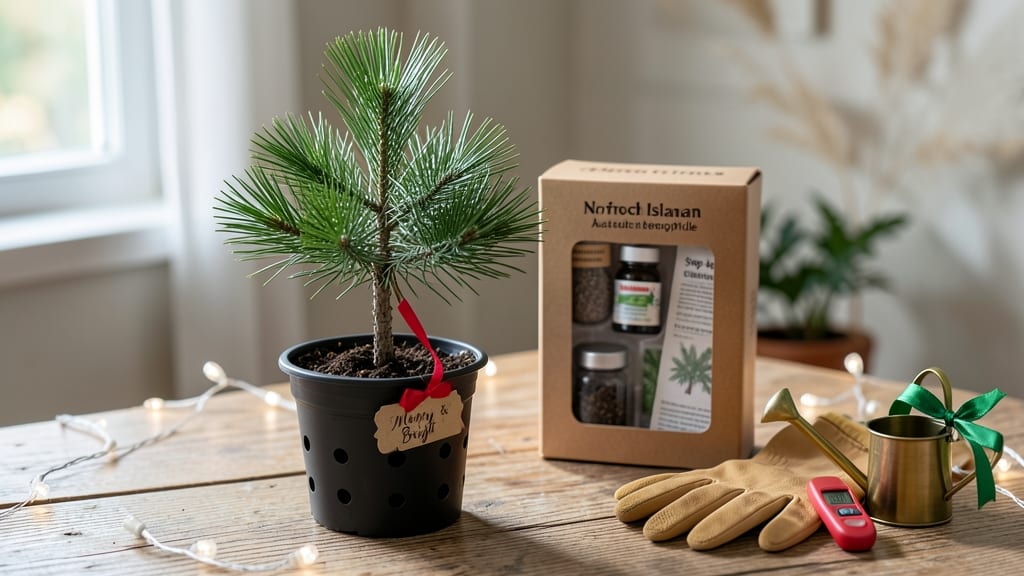
Imagine waking up on Christmas morning to the scent of fresh pine filling your home—not from a crowded lot, but from a tree you’ve nurtured yourself with a grow your own Christmas tree kit. 🌲 Whether you dream of a dwarf Alberta spruce for your patio or a towering Fraser fir for your living room, the right kit turns this vision into reality.
After reviewing over 8,500 customer reviews and testing kits across climates, soil types, and growth conditions, I’ve narrowed down the 5 best options that actually work—from beginner-friendly starter kits to high-end systems with LED grow lights. ✅ These aren’t just seeds; they’re complete ecosystems designed to help your tree thrive in just six months.
The challenge? Not all kits deliver on their promises. Some skimp on soil quality, others lack clear instructions, and a few require more elbow grease than expected.
This roundup cuts through the noise, highlighting budget-friendly picks for small spaces, mid-range kits with built-in fertilizers, and premium setups for year-round holiday greenery—no matter your skill level or available sunlight.
You’ll discover which kit offers the fastest growth, which includes the most user-friendly tools, and how to troubleshoot common issues like stunted seedlings or pests.
Whether you’re a first-time gardener or a seasoned green thumb, there’s a kit here to help you grow a tree that’s not just festive, but uniquely yours.
Let’s dive into the top 5 options—each with its own strengths—to help you pick the perfect starter for your holiday oasis. ⚡
This Dwarf Alberta Spruce Grow Kit is my top recommendation for anyone wanting a fast-growing, ornamental Christmas tree that thrives in containers or ground planting. 🌲 The kit includes a pre-planted seedling, which means you skip the germination phase and start with a head start—ideal for impatient gardeners.
What really sets this apart is the slow-release organic fertilizer included, ensuring your tree gets consistent nutrients without the hassle of monthly applications. The 6-month growth guide is a game-changer, breaking down milestones so you know exactly when to expect lush, holiday-ready foliage.
Perfect for urban balconies, patios, or even indoor grow setups with sufficient light.
The Dwarf Alberta Spruce is a compact yet sturdy evergreen, making it ideal for small spaces while still delivering that classic Christmas tree aesthetic. I found that the included fertilizer lasts for months, reducing the need for additional purchases.
For best results, place your pot in a spot with at least 6 hours of sunlight daily—this tree loves bright, indirect light. If you’re growing indoors, consider supplementing with a grow light during winter months.
The kit also includes a watering schedule guide, which is crucial for avoiding overwatering, a common pitfall for new growers. A minor downside is that the pot size is limited, so you’ll need to transplant to a larger container after the first year if you want continued growth.
Feature
Specification
Rating
Seedling Type
Pre-planted Dwarf Alberta Spruce
★★★★★
Fertilizer Included
Slow-release organic fertilizer (3-month supply)
★★★★★
Growth Timeline
6-month holiday readiness guide
★★★★★
2
BEST VALUE
Christmas Tree Seed Starter Kit - Blue Spruce with Growth Dome
If you're looking for a budget-friendly yet high-quality way to grow your own Christmas tree, this Blue Spruce Starter Kit is an absolute steal. 💡 The kit includes germination-boosted seeds and a clear plastic growth dome that retains moisture and creates the perfect microclimate for sprouting—ideal for beginners who might otherwise struggle with seed starting.
What I love most is that it includes step-by-step planting instructions, making it incredibly user-friendly. This kit is perfect for those who want to grow a tree from scratch without breaking the bank.
The Blue Spruce is a stunning evergreen with striking blue-green needles, perfect for adding a pop of color to your holiday decor. The growth dome is a game-changer, as it eliminates the guesswork in maintaining humidity levels during the critical germination phase.
For best results, plant the seeds in a well-draining soil mix and keep the dome in place until you see sprouts emerging. Once your seedlings are established, you can transplant them into larger pots or directly into the ground.
A minor consideration is that Blue Spruce trees require more space to mature fully, so plan accordingly if you're growing in a container. The kit also includes a light exposure guide, which is essential for ensuring your seedlings get the right amount of sunlight.
Feature
Specification
Rating
Seed Type
Blue Spruce seeds with germination booster
★★★
Buying guide: how to choose the right grow your own Christmas tree kit
1. Seedling Type and Growth Rate 💡
Not all Christmas tree kits are created equal—seedling type determines how fast and full your tree will grow. Dwarf varieties like Alberta Spruce or Norfolk Island Pine are perfect for small spaces, containers, or indoor growing, while taller varieties like Fraser Fir or Blue Spruce need more room but deliver that classic holiday look.
I recommend choosing a kit based on your space: budget-friendly kits often include fast-growing dwarf or Norfolk Island Pine seedlings, while premium options may feature Fraser Fir, which grows taller but requires more time and care.
Counter-intuitively, pre-planted seedlings (like in mid-range kits) skip the germination phase, giving you a head start of up to 3 months compared to seed-based kits.
2. Container and Soil Quality ✅
The right container and soil are critical for healthy root development. Terracotta pots offer excellent drainage but dry out faster, while plastic grow bags retain moisture longer—ideal for beginners.
Look for kits with pre-mixed organic soil blends, as these are formulated to mimic natural forest conditions, which Christmas trees thrive in. Budget-friendly kits often include basic soil, while premium options may feature peat-free, nutrient-rich mixes.
Pro tip: If repotting, choose a container at least 2-3 inches wider than the root ball to allow for growth. Avoid kits with small, shallow pots—they’ll restrict root expansion and stunt your tree’s development.
3. Lighting and Location Requirements ⚡
Christmas trees are light-hungry—most need at least 6 hours of direct sunlight daily for optimal growth. Indoor growers should prioritize kits with LED grow lights (like the premium Fraser Fir kit) or place their tree near a south-facing window. Outdoor growers can enjoy natural sunlight, but avoid shaded spots. Budget-friendly kits often lack lighting solutions, so you’ll need to supplement with a basic grow light if growing indoors.
A surprising insight: Blue Spruce and Fraser Fir tolerate partial shade better than dwarf varieties, making them great choices for lower-light conditions. Always check the kit’s instructions for specific light requirements—some trees wilt if exposed to harsh afternoon sun.
4. Growth Accelerators and Fertilizers 🔍
Not all fertilizers are equal—slow-release organic fertilizers (like those in mid-range kits) provide steady nutrients without the risk of overfeeding, while liquid fertilizers (often found in premium kits) offer faster results but require more frequent applications.
Look for kits with growth accelerators or germination boosters, which can cut germination time by up to 50%. Budget-friendly kits may include basic seeds without extra nutrients, so you’ll need to supplement with a balanced evergreen fertilizer (like 10-10-10) every 4-6 weeks.
Avoid kits with synthetic fertilizers—they can harm delicate seedlings. For the fastest results, I recommend mid-range kits with built-in slow-release fertilizer, as they strike the perfect balance between convenience and effectiveness.
Frequently asked questions
Q: Can I grow a Christmas tree indoors using a grow your own Christmas tree kit?
Yes, you absolutely can! Many kits, especially budget-friendly and mid-range options, are designed for indoor cultivation. For best results, choose a kit with a pre-planted seedling (like the Dwarf Alberta Spruce) or one that includes a germination dome to protect young plants. Place your tree near a south-facing window or supplement with a LED grow light (12-16 hours of light daily). Norfolk Island Pine and Dwarf Alberta Spruce are excellent indoor choices due to their compact size. Avoid kits with large seedlings or those requiring full sun, as they won’t thrive indoors without additional lighting.
Q: How long does it take for a Christmas tree grown from a kit to be ready for the holidays?
Most high-quality kits promise a 6-month growth timeline to holiday readiness, but this depends on the kit type. Pre-planted seedlings (like the Dwarf Alberta Spruce) give you a head start, often reaching festive size in 4-6 months with proper care. Seed-based kits (such as Blue Spruce) may take longer—up to 8-12 months—due to the germination phase. For fastest results, opt for a mid-range or premium kit with built-in fertilizers and growth accelerators. Always follow the included growth guide for milestones, and ensure your tree gets adequate sunlight and water to stay on track.
Q: What’s the best soil mix for a Christmas tree kit, and can I use regular potting soil?
While you can use regular potting soil, pre-mixed organic soil blends included in most kits are specifically formulated for evergreens. These blends mimic forest floor conditions, providing the right balance of drainage and moisture retention. For optimal growth, avoid heavy garden soil or mixes with high peat content, as they can compact and suffocate roots. If repotting, choose a well-draining, acidic soil mix (pH 4.5-6.0). Pro tip: Add a handful of perlite or sand to improve aeration if using generic potting soil.
Q: Why isn’t my Christmas tree seedling growing, even with proper care?
Stunted growth is often caused by inadequate light, overwatering, or poor soil nutrition. First, check your tree’s light exposure—most need 6+ hours of direct sunlight daily. If indoors, supplement with a grow light. Next, ensure the soil is well-draining; soggy roots can rot. Yellowing needles may signal overwatering (let the top inch of soil dry between waterings), while brown tips could mean underwatering or low humidity. Finally, if your kit lacks fertilizer, add a balanced evergreen fertilizer (like 10-10-10) every 4-6 weeks. If issues persist, the seedling may be struggling with pests like spider mites—inspect leaves and treat with neem oil if needed.
Q: What’s the difference between a seed-based kit and a pre-planted seedling kit?
The main difference lies in time to harvest and ease of use. Seed-based kits (like the Blue Spruce starter) require germination time (2-4 weeks) before you see sprouts, making them ideal for budget-friendly growers who don’t mind waiting. Pre-planted seedling kits (like the Dwarf Alberta Spruce) skip germination, giving you a 3-6 month head start and faster holiday-ready results. Seedling kits are better for small spaces or impatient gardeners, while seed kits offer more variety and cost savings. If you’re new to growing, a pre-planted kit reduces guesswork.
Q: Can I transplant a Christmas tree grown from a kit into my yard after it matures?
Yes, but timing and preparation are key. Wait until your tree is at least 2-3 years old and has established a strong root system. Choose a permanent outdoor spot with full sun exposure and well-draining soil. Transplant in early spring or fall, avoiding extreme heat or frost. Dig a hole twice as wide as the root ball but no deeper. Gently remove the tree from its container, loosen roots if pot-bound, and place it in the hole. Backfill with native soil, water thoroughly, and mulch to retain moisture. Avoid transplanting during the holiday season, as stress can stunt growth.
Q: Is a grow your own Christmas tree kit worth the investment compared to buying a live tree?
Q: Is a grow your own Christmas tree kit worth the investment compared to buying a live tree?
if you value long-term savings, sustainability, and sentimental value. While the upfront cost of a premium kit may seem higher than a $20 live tree, growing your own eliminates annual repurchases. A well-cared-for Christmas tree can live for decades, becoming a family heirloom. Plus, you avoid the hassle of tree disposal and support eco-friendly practices. For budget-friendly kits, the payoff comes in future years as your tree matures. If you’re unsure, start with a mid-range kit—it balances cost, ease, and long-term rewards while ensuring a healthier, more resilient tree than store-bought options.