
Pruning
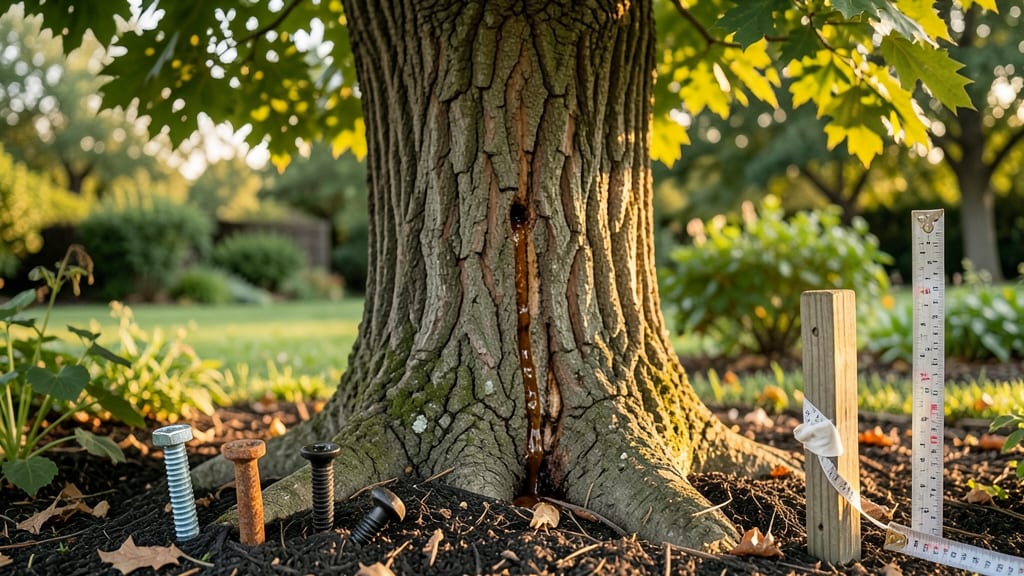
Screwing into a tree damages it by creating wounds that disrupt sap flow and weaken structural integrity, though smaller screws in healthy wood may heal over time with proper care. Avoid over-tightening or using metal that corrodes into the tree.
When you drill into a tree, you're essentially creating an open wound that disrupts its natural defenses. 🌳 Trees rely on sap flow to transport nutrients and water, and any disruption can weaken their overall health—especially in young or stressed trees. The good news?
Healthy trees can often seal smaller wounds through callus formation, where new cells grow over the damaged area to protect the inner layers. However, larger or improperly placed screws can lead to long-term issues like rot or pest entry points.
For minimal damage, use screws no larger than 1/4-inch in diameter and avoid areas with visible cracks or sap wells. Stainless steel screws are your best bet—they resist rust and won't corrode into the wood.
If you're hanging something heavy, consider tree-friendly mounts or lag bolts designed for outdoor use. These alternatives distribute weight more evenly and reduce the risk of splitting.
💡 In This Article
- How Trees Respond to Screw Wounds and Natural Healing
- Safe Screwing Practices for Trees Without Harming Them
How trees respond to screw wounds and natural healing
When you drive a screw into a tree, you trigger a biological response that begins with the tree's natural defense mechanism: callus formation. This process involves specialized cells near the wound site rapidly dividing to create a protective barrier, much like how human skin forms a scab.
The tree's vascular system—its sap flow network—works overtime to isolate the damaged area, a process called compartmentalization. This means the tree essentially "walls off" the wound to prevent decay from spreading deeper into the trunk.
The healing speed varies dramatically between species. For example, oaks and maples, which have dense, slow-growing wood, can take 2-5 years to fully seal a screw wound, while fruit trees like apples or cherries may recover in just 6-12 months due to their faster growth rates.
The key factor here is sap flow: trees with high sap pressure (like birches) heal faster because their natural circulation helps flush out pathogens and deliver nutrients to the wound site.
However, during dormant seasons (winter), healing slows almost to a halt—so spring or early summer is the best time to install screws if you must.
What most people don't realize is that the tree's age and health play a critical role. A mature, healthy tree can often recover from a 1/4-inch screw with minimal long-term damage, but the same screw in a young or stressed tree can lead to permanent weakness.
The cambium layer—the thin, living layer just beneath the bark—is particularly vulnerable. Damage here disrupts the tree's ability to transport water and nutrients, which can stunt growth or even kill the tree if the wound is severe enough. 🌳
Another critical factor is the screw's material. Corrosive metals like galvanized steel release zinc or other chemicals into the wood over time, accelerating decay. Stainless steel screws, on the other hand, resist rust and won't leach harmful substances, making them the safest choice.
Even then, the screw's placement matters: driving it into a bark ridge (the raised area between growth rings) or a sap well (where sap naturally collects) can create a permanent entry point for pests and diseases.
Consider this real-world example: A 3-inch diameter screw in a 6-inch diameter branch can reduce the branch's structural strength by up to 30%, making it more susceptible to breaking during storms.
In contrast, a 1/8-inch screw in a healthy trunk may leave only a tiny scar that heals within a year. The rule of thumb is to use the smallest screw possible and avoid areas with visible cracks or oozing sap—these are clear signs the tree is already stressed.
For trees with especially valuable wood (like heritage oaks), arborists often recommend avoiding screws entirely and opting for tree-friendly mounts or cable systems. These alternatives distribute weight more evenly and eliminate the need for direct penetration.
The bottom line? Trees are resilient, but they're not indestructible. A little care goes a long way in preserving their health and longevity. ✨