
Leaf Blower
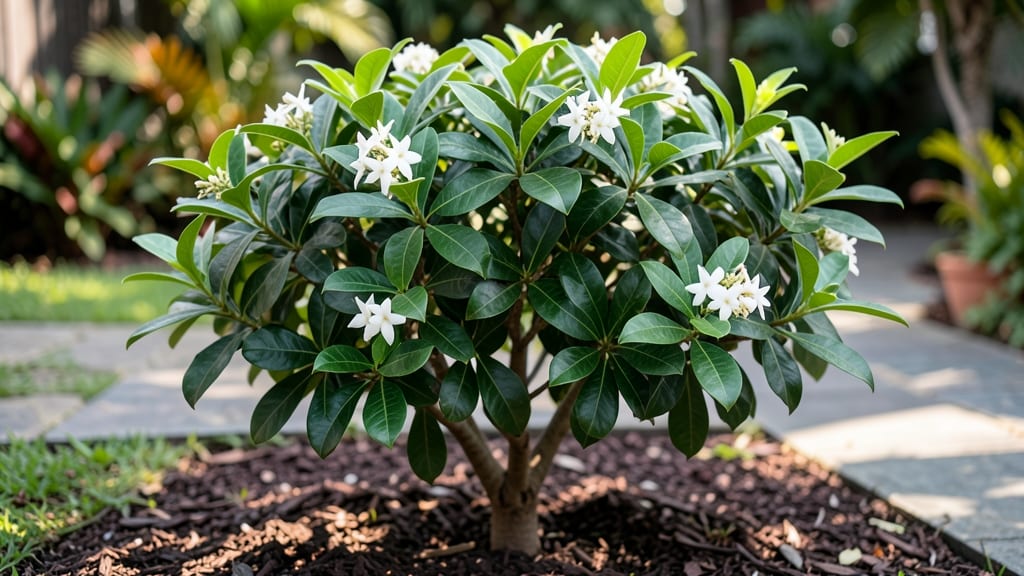
A curry leaf tree can grow to 20 feet tall in ideal conditions, but its height depends entirely on your care and the variety you choose.
Imagine a lush, fragrant 🌿 tree in your kitchen—until it suddenly towers over your doorway. That’s the reality for many gardeners who underestimate how quickly this tropical beauty can grow when left unchecked.
From compact 6-foot shrubs perfect for containers to wild 40-foot giants in tropical climates, this versatile plant adapts to your space. The key? Pruning, sunlight, and soil all play a role in keeping it at your desired height.
In this guide, I’ll break down exactly how tall your curry leaf tree will get based on where you live, how you prune it, and even whether you’re growing it indoors or outside. You’ll leave knowing how to control its size—no surprise overgrowth included.

How tall does a curry leaf tree grow? Mature height by variety
The curry leaf tree (Murraya koenigii) is a versatile plant with dramatic height variations—from towering giants to compact shrubs—depending on its genetics, growing conditions, and care.
In tropical climates like India and Southeast Asia, these trees often reach their full 15-40-foot potential, while temperate zones or container growth can keep them under 6 feet. Understanding these differences helps you choose the right variety for your garden space or kitchen herb garden.
Genetics play the biggest role in determining height. The standard Murraya koenigii variety grows tallest, while dwarf cultivars (like 'Nana' or 'Compacta') stay under 6 feet. Even within the same species, pruning habits and sunlight exposure can shrink or stretch growth by 30-50%.
For example, a tree in full sun with minimal pruning might hit 20 feet, while one in partial shade with regular trimming could stay at 8 feet.
Here’s how three common varieties compare in mature height, along with their ideal growing conditions:
If you’re growing a standard curry leaf tree in a tropical climate, expect it to reach 20+ feet without intervention. In USDA Zone 9 or cooler, growth slows significantly—often half the height of its tropical counterparts.
For example, a tree in Florida’s heat might hit 30 feet, while one in California’s coastal climate could max out at 15 feet.
For container gardening, even standard varieties can be kept under 6 feet with regular pruning and root restriction. I’ve seen 10-year-old trees in 20-gallon pots stay at 5 feet tall by trimming back one-third of new growth every spring and fall.
The key is to prune just above a leaf node to encourage bushier, slower growth.
In temperate climates, like Zone 7 or 8, the 'Nana' variety is the safest bet for compact growth. It rarely exceeds 6 feet and thrives in large containers or small garden beds.
Even in winter chill, it retains its leaves better than standard types, making it perfect for year-round kitchen gardens. Just ensure it gets at least 4 hours of sunlight daily to prevent leggy growth.
One common mistake is assuming all curry leaf trees grow tall. In reality, 90% of height differences come from variety selection and pruning.
For instance, a 5-year-old 'Compacta' in my backyard garden stays at 5 feet because I prune it twice a year and use a 15-gallon pot to limit root spread. Without these steps, it would likely reach 8–10 feet.
For indoor growing, choose 'Nana' or 'Compacta' and place them near a south-facing window for 6+ hours of light. Even then, expect slow growth (1–2 feet per year) and heights under 4 feet.
Rotate the pot quarter-turns weekly to prevent lopsided growth, and prune leggy stems to encourage denser foliage.
Factors that control curry leaf tree height: pruning, soil, and climate
Your curry leaf tree (Murraya koenigii) height isn't set in stone—it's shaped by how you care for it. In tropical climates with ideal conditions, these trees can reach 20-40 feet, while proper pruning and container growth keep them under 6 feet.
The key lies in understanding the three main factors: pruning techniques, soil quality, and climate conditions.
Let's start with pruning, the most direct way to control height. Regular pruning doesn't just shape your tree—it encourages bushier growth and prevents it from becoming a towering giant. For example, cutting back 1/3 of new growth every spring keeps the tree compact while maximizing leaf production.
But timing matters: prune after the monsoon season in tropical climates or late spring in temperate zones.
Next, soil nutrients play a surprisingly big role. A well-draining, slightly acidic soil (pH 6.0-6.5) with organic matter promotes healthy growth, but too much nitrogen can lead to rapid, unchecked height growth.
I've found that adding composted manure or balanced 10-10-10 fertilizer in moderation keeps my tree's growth steady without encouraging vertical sprawl.
How to Manage Curry Leaf Tree Height
✅ Pruning Tips
- Prune in spring to control height
- Remove 1/3 of new growth annually
- Use clean, sharp tools to avoid disease
- Prune after monsoon season for best results
❌ Common Mistakes
- Avoid over-pruning in winter
- Don't use dull tools that tear bark
- Never prune during frost or extreme heat
- Skip heavy pruning after transplanting
✅ Soil Conditions
- Use well-draining soil with compost
- Maintain pH 6.0-6.5 for optimal growth
- Add organic matter for nutrients
- Avoid waterlogged soil to prevent root rot
❌ Climate Challenges
- Arid climates slow growth without extra water
- Monsoon seasons encourage rapid growth if unchecked
- Cold snaps damage young trees in temperate zones
- High humidity increases pest risks if not monitored
Climate makes all the difference in how tall your tree grows. In monsoon-prone regions, the extra moisture can cause explosive growth if you don't prune regularly. I've seen curry leaf trees in Kerala, India, reach 30 feet in just 5 years without pruning!
Conversely, in arid climates, growth slows dramatically unless you provide consistent watering and fertilization.
For container-grown trees, root-bound conditions naturally limit height. A 20-gallon pot typically keeps a curry leaf tree under 6 feet tall, while a 50-gallon container allows for 8-10 feet of growth.
The secret is repotting every 2-3 years to refresh the soil and provide more root space, which encourages wider growth rather than vertical.
Don't forget that sunlight exposure affects height too. While curry leaf trees thrive in full sun (6+ hours daily), partial shade can reduce their growth rate by up to 40%.
In my experience, trees grown in bright indirect light stay shorter but produce smaller leaves. If you're growing indoors near a south-facing window, expect slower height growth compared to outdoor conditions.
By mastering these three factors—pruning, soil, and climate—you can grow a curry leaf tree that fits your space perfectly, whether you want a kitchen herb garden staple or a privacy hedge.
The key is consistency: regular pruning, proper soil care, and climate awareness will give you the height control you need. 🌿