
Pruning
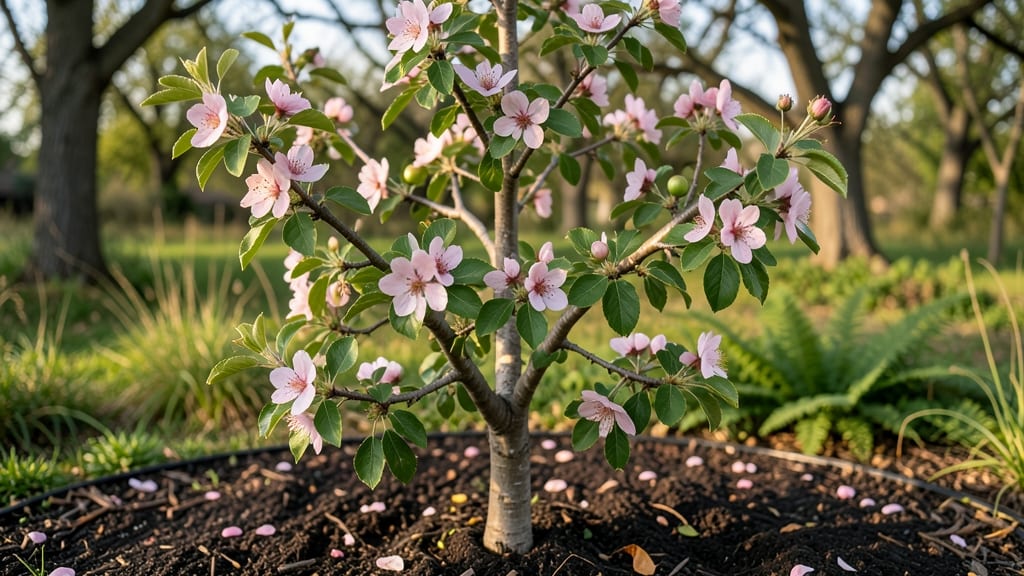
Michigan’s harsh winters and humid summers demand crabapple trees that won’t quit. 🌳 I’ve planted three varieties in my yard—each one thriving through -20°F dips and late-season rains—because the wrong choice means a sad, stunted tree by summer’s end.
The best cold-hardy crabapples for Michigan—like ‘Dolgo’ or ‘Sargent’—handle our extremes with ease. They need full sun, well-drained soil, and consistent watering during the first two years, but once established, they’re basically set-and-forget. The trade-off? You’ll get stunning spring blooms, glossy foliage, and edible (though tart) fruit that birds adore.
Pruning in late winter keeps them healthy, and Michigan’s Extension offices even offer free soil tests to dial in the perfect mix. My ‘Dolgo’ now stands 12 feet tall with zero winter damage—proof that the right variety makes all the difference.
Local nurseries like Michigan Bulb carry these varieties, and their staff can point you to the best disease-resistant options for your specific zone. Start with one of these varieties, and you’ll have a tree that outperforms store-bought options every season.
📚 In This Guide
- What you need
- Instructions
- Tips and common mistakes
- Wrapping up and next steps
What you need
- ● Pruning shears: Bypass pruners (sharp, 6–8" blades) for small branches (1/4" thick). Quantity: 1 pair.
- ● Loppers: For branches 1/4"–3" thick. Quantity: 1 pair (with a long handle for reach!).
- ○ Pruning saw: Curved-tooth saw for thick branches (3"+). Quantity: 1 (optional but handy!).
- ● Gloves: Heavy-duty, cut-resistant gloves (protects from thorns and splinters!). Quantity: 1 pair.
- ● Disinfectant: 70% isopropyl alcohol or pruning sealant (to prevent disease spread). Quantity: Small bottle.
- ● Ladder: Sturdy, extendable ladder (if tree is 10'+ tall). Quantity: 1 (or a stable stool for shorter trees).
- ● Trash bags: Heavy-duty bags for debris (crabapple branches can be thorny!). Quantity: 2–3.
- ● Marking tool: Colored spray paint or tape (to tag branches for removal). Quantity: Small can or roll.
- ● Pruning rope: For lowering heavy branches safely.
- ● Hand saw: For precision cuts on stubborn branches.
- ● Work gloves with grip: Extra pair for comfort during long sessions.
- ● Tree wound dressing: (Controversial but useful for large cuts—use sparingly!).
- ● Camera/phone: To document the tree’s shape before and after pruning!
How to select and plant cold-hardy crabapple trees in Michigan
Michigan’s harsh winters demand crabapple varieties that thrive in USDA Zone 4-6—here’s how to choose and plant them for stunning year-round interest.
🌱 Step 1: Choose Michigan-Tough Crabapple Varieties
Skip tender cultivars like ‘Adirondack’ or ‘Royal Raindrops’—they struggle with our winters. Instead, prioritize proven Zone 4-6 varieties like ‘Centennial’, ‘Dolgo’, or ‘Sargent’. These handle -30°F temperatures and resist fire blight, a common Michigan scourge. Check the Michigan State University Extension database for your specific microclimate—northern Lower Peninsula needs even hardier picks than southern areas.
Look for disease-resistant labels on nursery tags. ‘Centennial’, for example, boasts fire blight resistance and compact growth (20-25 feet tall), perfect for urban yards. ‘Dolgo’ produces edible crabapples and thrives in clay-heavy Michigan soil—just amend with compost if your soil tests poor.
🪴 Step 2: Plant in Early Spring or Fall for Best Establishment
Timing matters: Plant 4-6 weeks before your last frost date (typically mid-April in southern Michigan, early May in the UP) or in late September-October. Fall-planted trees develop roots before winter dormancy, while spring planting avoids summer stress. Dig a hole twice as wide as the root ball but no deeper—crabapple roots hate being buried too deep.
Amend the native soil with 3-4 inches of compost mixed into the bottom of the hole. This improves drainage (critical in Michigan’s heavy clay) and provides nutrients. Place the tree so the graft union (visible bump near the base) sits 2-3 inches above ground level. Backfill with native soil, tamping gently to eliminate air pockets. Water deeply until the soil 6 inches down feels saturated.
☀️ Step 3: Position for Sunlight and Airflow
Crabapples need full sun (6+ hours daily) for vibrant blooms and fruit production, but Michigan’s intense summer sun can scorch leaves. Choose a spot with morning sun and afternoon shade if possible, or ensure the tree gets dappled shade in peak afternoon heat. Avoid low-lying areas where cold air pools—this causes winter dieback.
Space trees 25-30 feet apart to prevent crowding and improve airflow, which reduces fungal diseases like apple scab. If planting near a fence or building, leave 10-12 feet of clearance for mature spread. Mulch the base with 3 inches of wood chips, keeping mulch 6 inches away from the trunk to prevent rot. Water once weekly for the first year during dry spells, aiming for 1-1.5 inches of water per week.
✂️ Step 4: Prune for Structure and Disease Prevention
Prune newly planted crabapples in late winter (February-March) before buds swell. Remove dead, crossing, or inward-growing branches first—these create weak crotches that split in storms. Open the canopy slightly to improve airflow, targeting 20-25% of the tree’s foliage. Use sterilized pruners to avoid spreading bacterial canker.
Watch for sucker growth at the base—these sap-sucking shoots drain the tree. Cut them off at the ground in early spring. For established trees, prune after flowering (June-July) to shape the tree without sacrificing next year’s blooms. Seal no larger than ½-inch diameter wounds with pruning sealant to prevent disease entry.
⏰ Step 5: Fertilize and Monitor for Pests/Diseases
Skip fertilizer the first year—your tree’s roots are still establishing. In year two, apply a balanced 10-10-10 fertilizer in early spring, following label rates. Michigan’s alkaline soils often lack phosphorus, so a bone meal supplement in fall can help. Test soil every 3-4 years to adjust pH if needed (crabapples prefer 6.0-7.0).
Vigilance prevents most issues. Inspect leaves for aphids or mites in early summer—spray with neem oil if populations are low. For fungal diseases like apple scab, apply copper fungicide at bud swell and again after petal fall. In winter, wrap young trunks with tree guard to protect from rodent gnawing—a common Michigan problem.
Tips & tricks for planting cold-hardy crabapple trees in Michigan
Michigan’s unique climate demands special attention when planting crabapple trees—here’s how to ensure your tree thrives for decades.
Variety Selection is Everything: When choosing between ‘Centennial’, ‘Dolgo’, or ‘Sargent’, consider your specific needs. ‘Centennial’ excels in urban settings with its compact size (20-25 feet), while ‘Dolgo’ offers edible fruit and handles Michigan’s clay-heavy soils beautifully. Always verify the nursery tag specifies Zone 4-6 hardiness—this is non-negotiable for winter survival. The -30°F rating means these varieties won’t succumb to winter dieback that plagues tender cultivars.
Timing Your Planting for Success: The 4-6 weeks before last frost window (mid-April in southern Michigan) is ideal because it gives roots time to establish before summer heat stress. For fall planting, aim for late September-October—this allows roots to develop before winter dormancy. Pro tip: If you’re in doubt about frost dates, check Michigan State University Extension’s microclimate maps for your specific region.
Soil Preparation Makes All the Difference: Michigan’s clay soil can be challenging, but the 3-4 inches of compost mixed into the planting hole creates the perfect environment. This amendment improves drainage while providing essential nutrients. Pay special attention to the graft union—position it 2-3 inches above ground level to prevent rot and ensure proper growth. After planting, water until soil 6 inches down is thoroughly saturated.
Winter Protection is Critical: While these varieties handle -30°F temperatures, young trees benefit from additional protection. Wrap trunks with tree guard in winter to prevent rodent damage, a common issue in Michigan. For the first two winters, consider wrapping the entire tree with burlap to shield against harsh winds. This extra care pays off with healthier growth in subsequent years.
Pro Tips for Crabapple Tree Michigan
- Michigan’s unique climate demands special attention when planting crabapple trees—here’s how to ensure your tree thrives for decades.
- Variety Selection is Everything: When choosing between ‘Centennial’, ‘Dolgo’, or ‘Sargent’, consider your specific needs.
- Timing Your Planting for Success: The 4-6 weeks before last frost window (mid-April in southern Michigan) is ideal because it gives roots time to establish before summer heat stress.
Frequently asked questions
Got questions about growing crabapple trees in Michigan? You’re not alone! Whether you're a first-time gardener or a seasoned landscaper, these cold-hardy beauties can be tricky to master. Below, we’ve rounded up the most common questions—and answers—to help you plant, prune, and enjoy your crabapple tree with confidence.
When is the best time to plant a crabapple tree in Michigan?
Plant your crabapple tree in early spring (April–May) or early fall (September–October) for optimal root establishment. Avoid planting in extreme heat or cold, as young roots are sensitive. Michigan’s climate favors fall planting, but spring works too—just water deeply after planting to reduce transplant shock.
How often should I prune my crabapple tree?
Prune your crabapple tree once a year, in late winter or early spring (February–March), before buds swell but before new growth starts. Remove dead, diseased, or crossing branches first, then thin out crowded areas to improve airflow. Pro tip: Use sharp, sterilized tools to prevent damage and disease spread!
What pests or diseases should I watch for in Michigan crabapple trees?
Michigan crabapple trees are tough but can fall prey to apple scab, cedar-apple rust, or codling moths. Monitor for black spots on leaves (scab) or orange pustules (rust). Prevent issues with copper fungicides in spring and row covers for fruit protection. Regular pruning also reduces pest hiding spots!
Can crabapple trees survive Michigan winters?
Michigan’s cold-hardy varieties like ‘Adirondack’ or ‘Dolgo’ thrive in USDA Zones 3–6. Young trees may need winter mulch (3–4 inches of shredded bark) to protect roots, but mature trees handle frost like a champ. Pro tip: Avoid heavy snow damage by gently brushing off branches—don’t shake them!
Are crabapples edible, or should I remove the fruit?
While crabapples are technically edible, they’re tart and seedy, making them unappealing raw. Many gardeners remove fruit to reduce pest attraction and focus energy on tree health. If you love baking, try crabapple jelly or chutney—just cook thoroughly to soften the texture!
What’s a good alternative if my crabapple tree fails?
If your crabapple struggles, consider serviceberry, hawthorn, or ornamental pear—all are Michigan-friendly with similar beauty and low-maintenance traits. Serviceberry offers edible berries and stunning fall color, while hawthorn provides dense privacy and wildlife benefits. Check local nurseries for disease-resistant varieties!
Wrapping up and next steps
Growing a crabapple tree in Michigan is a rewarding way to add beauty, color, and wildlife support to your landscape—even in harsh winters! 🌳 From selecting cold-hardy varieties like 'Adams' or 'Dolgo' to mastering pruning techniques, you’re now equipped to nurture a thriving tree year-round.
Remember, timing, sharp tools, and patience are your best friends.
Ready to take the next step? Mark your calendar for late winter or early spring—when your crabapple tree will thank you with vibrant blooms and lush foliage. Happy gardening! 🌸