
Pruning
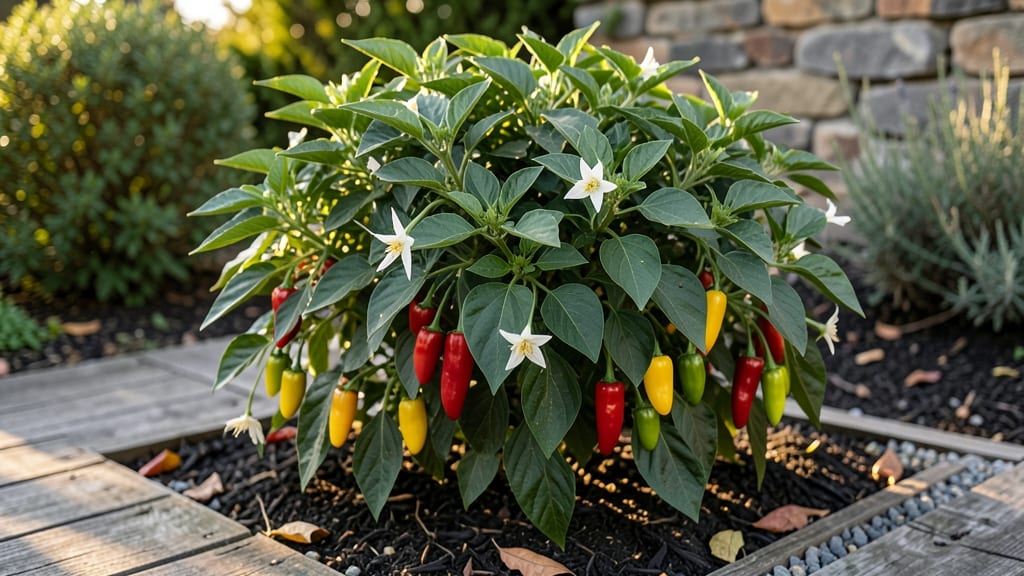
Cultivating Christmas Tree Peppers delivers year-round harvests and striking ornamental value in one compact plant. 🌿 These peppers grow into lush, tree-like shrubs with colorful foliage and clusters of small, decorative peppers—perfect for both kitchen gardens and landscape accents.
What makes them unique is their ability to produce fruit continuously with the right pruning approach, turning a single plant into a dual-purpose powerhouse.
The key to success starts with well-draining soil and 6+ hours of sunlight daily, though they tolerate partial shade in hot climates. Water consistently but avoid soggy roots, and feed with balanced fertilizer every 4-6 weeks during growing season.
Pruning isn’t just about shaping—it’s how you trigger that year-round production, with strategic cuts encouraging bushier growth and more pepper clusters.
By late summer, you’ll harvest hundreds of tiny peppers—mild when fresh, fiery when dried—while the plant’s vibrant foliage adds seasonal interest to containers or garden beds.
The best part? These peppers thrive in containers or in-ground, making them ideal for small spaces or urban gardens where traditional pepper plants might struggle.
Whether you’re growing for culinary use, ornamental appeal, or both, this pepper delivers unexpected versatility. The secret lies in consistent care and smart pruning—once you master it, you’ll never buy store-bought peppers again. Let’s get those plants producing!
📚 In This Guide
- What you need
- Instructions
- Tips and common mistakes
- Wrapping up and next steps
What you need
- ● Christmas Tree Pepper Plant: 1 healthy, mature plant (potted or ready for transplanting). Look for one with vibrant foliage and multiple branches.
- ● Pruning Shears: 1 pair of sharp, sterilized bypass pruners (avoid dull tools to prevent tearing branches).
- ● Gloves: 1 pair of gardening gloves (to protect against thorns and sap).
- ● Disinfectant: Rubbing alcohol (70% isopropyl) or a gardening-specific sanitizer to sterilize tools between cuts.
- ○ Pruning Sealant (Optional but Helpful): A product like pruning wax or tree sealant to coat larger cuts and prevent disease.
- ● Container or Garden Space: A pot (12–18 inches in diameter) or in-ground spot with well-draining soil (pH 6.0–7.0).
- ● Fertilizer: A balanced, slow-release fertilizer (10-10-10 or similar) or organic options like compost or worm castings.
- ● Watering Can or Hose: With a gentle spray nozzle to avoid damaging delicate branches.
- ● Grow Lights: If indoors, a full-spectrum LED grow light (12–16 hours/day) to supplement natural light.
- ● Support Stakes: Small bamboo stakes or soft ties to help train branches if needed.
- ● Humidity Tray: A shallow tray with pebbles and water to increase humidity (especially useful in dry climates).
- ● Plant Labels: To track pruning dates and growth stages.
Step-by-Step guide to growing and pruning Christmas tree peppers
Here's how I turn one plant into a year-round pepper harvest using smart pruning.
🌱 Step 1: Start with a Healthy Plant and Proper Setup
Begin with a 6-8 inch tall Christmas Tree Pepper plant (Capsicum annuum 'Christmas Tree') that has already developed 4-5 true leaves. I always choose a plant with a sturdy stem and vibrant green foliage—this ensures it has the energy to support multiple branches. Place it in a 5-gallon container with well-draining potting mix enriched with compost, since these peppers thrive in loose, fertile soil.
Position the plant in a spot where it will receive 6-8 hours of direct sunlight daily. If growing indoors, use a grow light positioned 12-18 inches above the plant. The goal is to mimic the bright, consistent light peppers need to produce fruit. I like to rotate the pot a quarter turn every few days so the plant grows evenly and doesn't lean toward the light source.
✂️ Step 2: Prune for Bushier Growth and Fruit Production
When your pepper plant reaches 12-18 inches tall, it's time to prune. Using clean, sharp pruning shears, cut back the main stem just above a leaf node where at least two healthy leaves are growing. This encourages the plant to branch out, creating more spots for fruit to develop. I always make cuts at a 45-degree angle to prevent water from pooling on the wound, which could lead to rot.
Remove any yellow or damaged leaves immediately—they drain the plant's energy. Focus on pruning in the morning hours so the plant has the rest of the day to recover. After pruning, give the plant a light watering to help it adjust. You'll notice new side shoots emerging from the leaf nodes within 7-10 days. These shoots will eventually become your new branches, each capable of producing peppers.
🌿 Step 3: Train Branches for Maximum Fruit Production
Once your plant has developed 3-4 main branches, it's time to shape it into a Christmas tree-like form. Gently tie the branches to small stakes or a tomato cage, guiding them upward and outward. I use soft plant ties to avoid damaging the stems. The goal is to create a pyramid shape with branches spreading evenly in all directions.
Continue pruning throughout the growing season by trimming back any branches that grow too long or become overcrowded. Always cut just above a leaf node to encourage new growth. Remove any flowers or fruit that appear on the lower third of the plant—this redirects the plant's energy to the upper branches, where you want the majority of your harvest. You'll see the plant fill out beautifully, with branches reaching outward like the limbs of a Christmas tree.
💧 Step 4: Maintain Consistent Care for Year-Round Harvests
Water your Christmas Tree Pepper deeply once a week, allowing the top 2-3 inches of soil to dry out between waterings. Overwatering leads to root rot, while underwatering causes stress and stunted growth. I always check the soil moisture by sticking my finger into the soil—if it feels dry, it's time to water. Use room-temperature water to avoid shocking the roots.
Feed your plant with a balanced liquid fertilizer (10-10-10 or similar) every 4-6 weeks during the growing season. Reduce fertilization in the winter months when growth slows. If you're growing indoors, maintain a temperature between 65-75°F and provide 14-16 hours of light daily to keep the plant productive year-round. Watch for signs of stress like yellowing leaves or dropped flowers—these are your cues to adjust watering, light, or fertilizer.
⏰ Step 5: Harvest and Prune for Continuous Growth
Harvest peppers when they reach 3-4 inches long and are firm to the touch. Use clean pruning shears to cut the peppers at the stem, leaving a small portion attached to the plant. This encourages the plant to produce more fruit. After harvesting, inspect the plant for any branches that have finished producing. If a branch has stopped bearing fruit and looks woody, prune it back to encourage new growth from lower nodes.
Throughout the year, continue to prune and shape your Christmas Tree Pepper. The key to a year-round harvest is consistent care—pruning to maintain shape, providing adequate light and nutrients, and harvesting regularly. With this approach, your pepper plant will continue to produce fruit well beyond the typical growing season, giving you fresh peppers to enjoy all year long.
Tips & tricks for perfect Christmas tree pepper growth
These practical insights will help you transform a single plant into a thriving year-round pepper producer with minimal effort.
Lighting Strategy: The 6-8 hours of direct sunlight in Step 1 is non-negotiable for fruit development, but quality matters just as much as quantity. I've found that south-facing windows provide the most consistent light, while indoor grow lights should be positioned exactly 12-18 inches above the plant to prevent leaf burn. For winter months when daylight is shorter, supplement with a grow light for those critical 14-16 hours of light—this maintains photosynthesis levels that keep your plant productive even when natural light is scarce.
Pruning Precision: When you reach Step 2 and make those initial cuts at 12-18 inches tall, focus on the angle—always cut at a 45-degree angle just above a leaf node with two healthy leaves. This technique prevents water from pooling on the wound (which causes rot) and positions the new growth perfectly for maximum branching. I've learned the hard way that cutting too close to the leaf node can damage the emerging shoot, so take your time with this step. The 7-10 day window for new shoots to appear is your cue that you've done it right.
Branch Training Technique: In Step 3, when shaping your plant into that Christmas tree form, use soft plant ties rather than wire or zip ties that can damage stems. I recommend starting with 3-4 main branches and training them outward at about a 45-degree angle from the vertical. This creates optimal air circulation around the plant, which reduces disease risk and allows sunlight to reach all branches evenly. The pyramid shape isn't just decorative—it's a strategic way to maximize fruit production on the upper branches where sunlight is most intense.
Seasonal Care Adjustments: The 4-6 week fertilization schedule in Step 4 works perfectly during active growing seasons, but winter care requires special attention. When temperatures drop below 65°F, reduce watering slightly and cut fertilization to every 8-10 weeks. Your plant will still need that weekly deep watering (letting the top 2-3 inches dry between waterings), but the reduced fertilization prevents salt buildup in the soil that can stress the plant during its dormant period. This adjustment is what makes year-round production possible.
Pro Tips for Christmas Tree Pepper
- These practical insights will help you transform a single plant into a thriving year-round pepper producer with minimal effort.
- Lighting Strategy: The 6-8 hours of direct sunlight in Step 1 is non-negotiable for fruit development, but quality matters just as much as quantity.
- Pruning Precision: When you reach Step 2 and make those initial cuts at 12-18 inches tall, focus on the angle—always cut at a 45-degree angle just above a leaf node with two healthy leaves.
Frequently asked questions
Got questions about growing and maintaining your Christmas tree pepper? You’re not alone! Here are some of the most common queries—and their straightforward answers—to help you keep your plant thriving year-round.
How often should I prune my Christmas tree pepper?
Prune your Christmas tree pepper every 4–6 weeks during its active growing season (spring through fall). Focus on trimming leggy stems and shaping the plant to encourage bushier growth. Avoid heavy pruning in winter, as the plant is dormant.
When is the best time to harvest Christmas tree peppers?
Harvest when peppers are bright red, 1–2 inches long, and firm to the touch—usually 60–90 days after transplanting. For year-round harvests, pick peppers before they fully ripen (green) if you’re in a cooler climate, then let them ripen indoors.
Can I grow Christmas tree peppers indoors?
Yes! Place your plant near a south-facing window or under grow lights (12–16 hours/day). Use a well-draining pot with holes and keep soil moist. Expect slower growth indoors, so prune lightly to manage size and encourage fruiting.
Why aren’t my Christmas tree peppers producing fruit?
Common culprits include lack of sunlight, overcrowding, or nutrient deficiencies. Ensure your plant gets 6+ hours of direct sun daily, prune to improve airflow, and fertilize with a balanced 10-10-10 or tomato-specific feed every 4–6 weeks.
How do I overwinter my Christmas tree pepper?
Move your plant to a cool (50–60°F) indoor spot with minimal watering. Prune back 1/3 of the foliage to reduce stress. Resume regular care in spring. Alternatively, take stem cuttings in winter to propagate new plants!
Wrapping up and next steps
Growing a thriving Christmas tree pepper is all about timing, patience, and a little green thumb magic! 🌱 With the right pruning techniques, you can enjoy a bountiful harvest year-round—whether it’s sweet peppers for summer meals or decorative pods for festive decor.
Remember, consistency is key: trim regularly, monitor growth, and don’t shy away from experimenting with your plant’s care routine.
Ready to put your new skills to the test? Start by assessing your plant this week—snip, shape, and celebrate every little victory! Your future harvest (and holiday decor) will thank you. Happy pruning! 🎄✂️