
Blooming
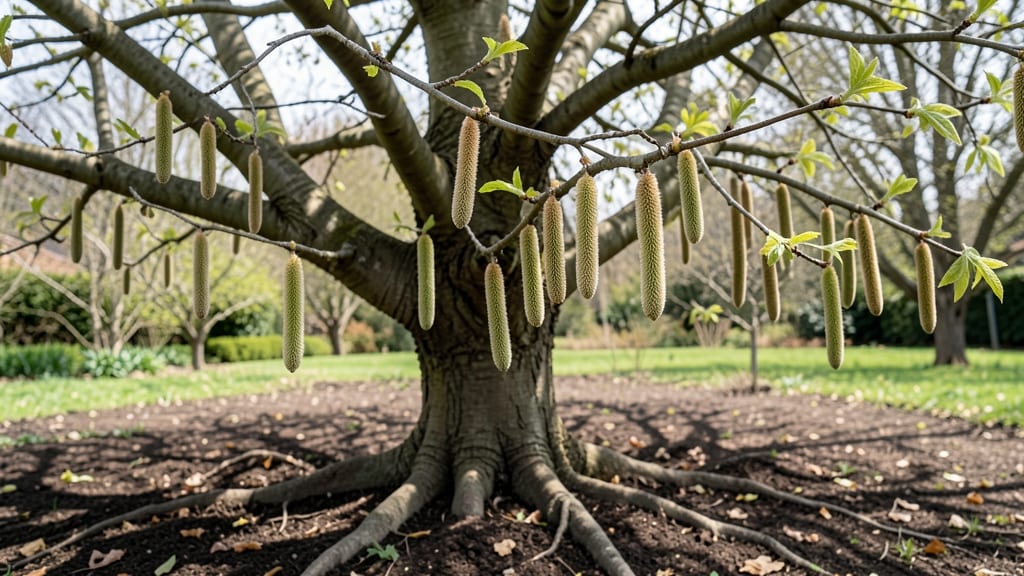
Those fuzzy, candle-like spikes on your chestnut tree aren’t just pretty—they’re catkins, the tree’s secret weapon for spring pollination. 🌿 I’ve watched my own chestnut’s catkins transform from tight buds to golden, feathery plumes each year, marking the moment when new leaves and future nuts begin their journey.
Understanding them means you can give your tree the best chance to thrive, whether you’re growing for shade, timber, or those coveted candied treats.
Catkins play a crucial role in the tree’s life cycle: they release pollen before leaves fully emerge, ensuring bees and wind can spread it efficiently. Healthy catkins mean stronger growth later—so pruning at the right time (late winter or early spring) encourages robust blooms.
Avoid heavy pruning now, though; the tree needs its energy for this year’s catkins and next season’s buds.
You’ll know your chestnut is happy when catkins appear earlier each spring and the tree produces more nuts. The key is patience: chestnuts mature slowly, but with proper care, your tree will reward you with vibrant catkins and abundant harvests.
Even in urban settings, a well-placed chestnut can become a neighborhood landmark.
Keep an eye out for pests like chestnut weevils—they can damage catkins and reduce pollination. A quick inspection in early spring lets you act before problems spread.
With the right timing and care, your chestnut’s catkins will signal a season of growth, not just for the tree, but for your whole garden.
📚 In This Guide
- What you need
- Instructions
- Tips and common mistakes
- Wrapping up and next steps
What you need
- ● Chestnut tree catkins: Freshly blooming catkins (early spring, before they turn brown). Aim for 5-10 clusters for projects or study.
- ● Pruning shears or small scissors: Sharp, clean pair for safely harvesting catkins without damaging the tree.
- ○ Gloves (optional but recommended): Lightweight gardening gloves to protect hands from sap or small twigs.
- ● Clear plastic bags or breathable fabric pouches: For transporting catkins (avoid crushing them!).
- ● Magnifying glass or hand lens: For close-up inspection of catkin structures (3x-10x magnification works well).
- ● Notebook & pencils: For sketching or recording observations (waterproof paper if outdoors).
- ● Camera or smartphone: With macro mode for capturing detailed photos of catkins in their natural habitat.
- ● Floral wire or thin copper wire: For crafting catkin wreaths or arrangements (1-2mm thickness).
- ● Hot glue gun & glue sticks: For securing catkins in DIY projects (low-temperature setting for delicate blooms).
- ● Dried flowers or greenery: To complement catkins in bouquets or pressed art (e.g., eucalyptus, lavender).
- ● Pressing board & heavy books: For preserving catkins as botanical specimens (if desired).
- ● Child-safe, non-toxic paint: For coloring catkin-themed crafts (e.g., paper plates, clay models).
How to identify and care for chestnut tree catkins in spring
These fuzzy, yellow-green blooms are nature's way of announcing spring—and they're easier to spot than you think.
🌱 Step 1: Recognize Catkins on Chestnut Trees
Chestnut tree catkins appear as long, dangling clusters of tiny, scaly buds that look like fuzzy caterpillars. They emerge in early spring before leaves unfurl, typically between February and April, depending on your climate. The male catkins are more common and hang prominently along branches, while female flowers are smaller and less noticeable.
I always check the underside of branches first—catkins often cling there, waiting for warmth to trigger blooming. If you see these fuzzy growths, that's your signal: the tree is preparing for pollination. Don't mistake them for pests; they're harmless and actually a sign of a healthy tree.
☀️ Step 2: Understand Their Role in Tree Health
Catkins are the tree's way of producing pollen and seeds. Male catkins release pollen that fertilizes female flowers, leading to those iconic spiky chestnut burrs later in the year. If you notice catkins but no leaves, don't worry—it just means the tree is prioritizing reproduction over foliage.
Here's the thing: healthy catkins should be vibrant and upright. If they're brown or mushy, it could signal stress from drought, pests, or disease. I once saw a chestnut tree with wilted catkins—turns out it needed more water. A deep soak can revive them if caught early.
💧 Step 3: Support Catkin Development Through Watering
While chestnut trees are drought-tolerant once established, catkins need consistent moisture to thrive. Water the base of the tree once a week during dry spells, aiming for 1-2 inches of water per week. You'll know you've got it right when the soil feels damp 6 inches below the surface.
Mulch around the tree with 2-3 inches of organic mulch (like wood chips) to retain moisture and regulate soil temperature. Keep the mulch 6 inches away from the trunk to prevent rot. This simple step makes all the difference in spring—your catkins will thank you with lush, vibrant growth.
✂️ Step 4: Monitor for Pests and Diseases
Catkins can attract pests like aphids or scale insects, which leave behind sticky residue. Inspect the branches regularly, especially on the undersides where pests hide. If you spot them, spray with neem oil (mix 1 tablespoon per quart of water) or introduce beneficial insects like ladybugs.
Fungal issues like anthracnose can also affect catkins, causing them to blacken and drop prematurely. Prune any infected branches immediately and remove fallen debris to prevent spread. I've found that keeping the area clean in early spring saves me headaches later.
🌿 Step 5: Enjoy the Blooms and Plan for Future Growth
Once catkins have done their job, you'll see new leaf buds forming. This is the perfect time to assess the tree's health—strong catkins mean strong future growth. Take notes on any issues you spotted (like pests or weak blooms) so you can address them next season.
Real talk: Chestnut trees are low-maintenance, but paying attention to catkins gives you a head start on caring for the tree. Next spring, you'll recognize the signs even earlier—and your tree will reward you with healthier foliage and those prized chestnuts later in the year.
Tips & tricks for perfect chestnut tree catkin care
Paying attention to these details will help your chestnut tree thrive—and those fuzzy catkins will be the first sign of spring's arrival.
Timing is Everything: The February-April window for catkin emergence depends heavily on your local climate. In colder regions, they may not appear until late March, while warmer areas might see them as early as February. I've learned to check every 3-4 days once temperatures consistently stay above freezing—this helps me catch them at their peak. Don't be fooled by early blooms that look perfect but then wilt suddenly; these often signal a late frost is coming.
Visual Inspection Secret: When examining catkins in Step 1, focus on the undersides of branches first—they often cling there before becoming visible from above. Use a small flashlight to check for early signs if you're unsure. Healthy catkins should feel firm to the touch, not brittle or mushy. I keep a magnifying glass handy to examine the tiny scales that make up each catkin; this helps distinguish them from pests or disease.
Watering Wisdom: The once-weekly watering in Step 3 should be done in the early morning to prevent fungal growth. Use a rain gauge or tuna can to measure your 1-2 inches of water—eyeballing it rarely gives accurate results. I've found that watering deeply but less frequently (every 10-14 days) during mild spring rains actually encourages deeper root growth, which supports stronger catkin development. Always water at the base, avoiding the leaves to prevent disease.
Pest Prevention: For the neem oil treatment in Step 4, I recommend mixing it in a spray bottle first to test on a small area—some trees react to strong concentrations. You can also make a preventative spray by mixing 1 tablespoon neem oil with 1 quart of water and a few drops of dish soap (this helps it stick to the leaves). Apply this mixture every 2 weeks during catkin season as a proactive measure, especially if you've had pest issues before.
Pro Tips for Chestnut Tree Catkins
- Paying attention to these details will help your chestnut tree thrive—and those fuzzy catkins will be the first sign of spring's arrival.
- Timing is Everything: The February-April window for catkin emergence depends heavily on your local climate.
- Visual Inspection Secret: When examining catkins in Step 1, focus on the undersides of branches first—they often cling there before becoming visible from above.
Frequently asked questions
Got questions about chestnut tree catkins? You’re not alone! Here are some of the most common inquiries—plus quick, practical answers to help you enjoy (or troubleshoot) these springtime blooms.
What do chestnut tree catkins look like, and how can I tell them apart from other catkins?
Chestnut tree catkins (like those from Castanea species) are long, drooping, and yellowish-green to brown before flowering. Unlike willow or birch catkins, they’re smooth, cylindrical, and often clustered in groups. After pollination, they develop into spiky, prickly burrs—unlike the fluffy or feathery styles of other trees.
When is the best time to see chestnut tree catkins in full bloom?
Timing varies by species and climate, but most chestnut catkins appear in late spring to early summer (May–June). In warmer regions, they may bloom as early as April. Check local chestnut tree varieties—some, like the American chestnut, bloom slightly earlier than European chestnuts.
Are chestnut tree catkins harmful to pets or humans?
No—the catkins themselves aren’t toxic, but ingesting large quantities (or the nuts later) could cause mild stomach upset in pets. The spines on the burrs can irritate skin if handled roughly. Always supervise pets near trees, and wear gloves if harvesting nuts.
Can I propagate chestnut trees from catkins, or do I need seeds?
Nope! Catkins are flowering structures, not viable for propagation. You’ll need chestnut seeds (nuts) or root cuttings. If you’re patient, collect mature nuts in fall, plant them, and wait 3–5 years for a sapling.
Why aren’t my chestnut tree catkins opening this year?
Several factors could be at play:
- Cold weather: Late frosts can damage buds.
- Pests/disease: Check for blight or borers.
- Age/stress: Young or weak trees may skip flowering.
Wrapping up and next steps
Chestnut tree catkins aren’t just a sign of spring—they’re a celebration of nature’s renewal, offering beauty, ecological benefits, and even practical uses.
Whether you’re admiring their fuzzy plumes, learning to identify them, or exploring their role in pollination, these tiny blooms remind us of the magic hidden in everyday moments. 🌱
Now that you’re armed with knowledge, why not step outside and embrace the season? Visit a local park, sketch a catkin’s delicate shape, or share your newfound appreciation with fellow plant lovers. Every little connection to nature makes a difference—so go ahead and grow your curiosity!