
Blooming
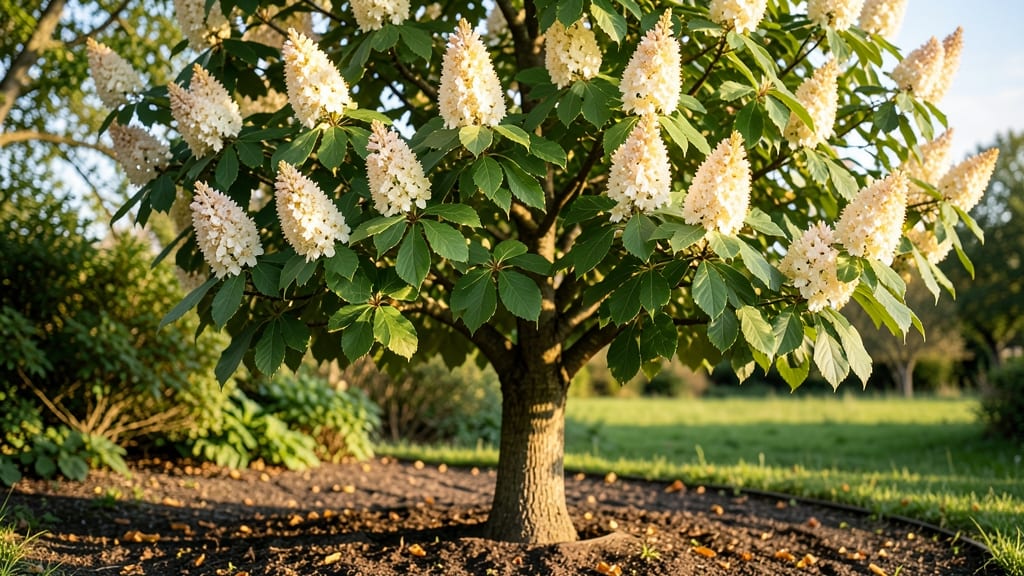
The chestnut tree blossom transforms your yard into a springtime spectacle 🌳, but only if you prune at the right time—and that window is narrower than you think.
Watching chestnut trees burst into delicate blossoms each spring is a gardener’s dream—but timing your pruning wrong can turn that dream into disappointment. The secret to vibrant chestnut tree flowers lies in strategic cutting, and mastering it ensures your tree thrives for decades.
Most gardeners wait until late winter or early spring to prune, but chestnut trees need a specific approach to encourage healthy blossoms. Cut too early, and you risk weakening the tree before it flowers. Prune too late, and you may stunt the very blooms you’re trying to protect.
In this guide, I’ll walk you through the exact pruning timeline for chestnut trees, from identifying the best branches to trim to avoiding common mistakes that kill flowering. By the end, you’ll know exactly when to reach for those shears—and when to leave the tree alone.
Best pruning timeline for chestnut tree blossoms: seasonal breakdown
Timing your chestnut tree pruning directly impacts those stunning spring blossoms—the delicate, catkin-like flowers that precede nut production. Chestnuts (Castanea spp.) bloom best when pruned during dormant seasons, but late-winter adjustments and post-bloom maintenance also play critical roles.
Whether you're in USDA Zone 6a or a warmer climate, this seasonal guide keeps your tree flowering abundantly for years.
Understanding your local frost dates is key. In colder regions, prune after the last frost (typically mid-April), while warmer climates allow late-winter pruning (February-March). The goal? Remove deadwood and crossing branches before buds swell, while preserving flower-producing branches—usually the outer third of the canopy where sunlight penetrates.
Chestnut blossoms form on new growth, so avoid heavy pruning in fall or early winter, which can stress the tree and reduce next year’s flowers. Instead, focus on structural pruning during dormancy and light thinning after blooming to improve airflow and sunlight exposure.
| Season | Pruning Goal | Key Tasks | Climate Notes |
|---|---|---|---|
| Late Winter (Feb-Mar) | Dormant-season pruning | Remove dead/diseased wood, thin crowded branches (20% max) | Warmer zones: Prune earlier; colder zones: Wait until buds swell |
| Early Spring (Mar-Apr) | Post-bloom adjustment | Light pruning to improve airflow after flowers fade | Avoid pruning during active bloom (can reduce nut set) |
| Summer (Jun-Aug) | Maintenance pruning | Remove suckers, water sprouts, and rubs (branches growing against each other) | Minimal pruning; focus on removing only problematic growth |
| Fall (Sep-Nov) | Dormant prep | No heavy pruning; remove only hazardous branches | Avoid pruning before first frost in cold climates |
Start your chestnut tree pruning in late winter (February-March) when the tree is fully dormant. This is the optimal time to remove dead branches, suckers, and crossing limbs—actions that won’t compete with next year’s blossom production.
Use sharp pruning shears or a pruning saw for branches thicker than 2 inches, and always cut just outside the branch collar to promote faster healing.
In warmer climates (Zones 8-9), you can prune as early as January, but avoid cutting when buds are swelling (February-March). This timing ensures you don’t accidentally remove flower buds, which form on new growth in spring.
If you miss the dormant-season window, wait until late spring (after blooming) for light maintenance, but never prune heavily during active growth.
After chestnut blossoms appear in spring (typically March-April), resist the urge to prune. These flowers signal the tree’s energy shift toward nut production, and aggressive cutting now can reduce next year’s flowering potential.
Instead, focus on light thinning in June or July to improve air circulation and reduce disease risk. Remove only water sprouts or rubbing branches that aren’t contributing to the tree’s structure.
For young chestnut trees (under 5 years old), prioritize structural shaping during dormant seasons. Remove branches growing inward or downward to create an open canopy, which maximizes sunlight exposure—critical for blossom development.
Mature trees (10+ years) benefit from rejuvenation pruning every 3-5 years, where you selectively remove older, non-flowering branches to encourage new growth and flowering potential.
In cold climates (Zones 4-6), delay pruning until after the last frost (usually mid-April). Late frosts can damage new growth, so wait until the tree has fully leafed out before making any cuts.
If you’re unsure about frost dates, err on the side of caution and prune slightly later—your chestnut tree blossoms will thank you with a more abundant display.
Post-bloom maintenance in late spring should focus on sanitation. Remove any diseased branches or pest-infested wood immediately to prevent blight or borer infestations, which can weaken the tree and reduce flowering. Disinfect your tools with rubbing alcohol between cuts to avoid spreading pathogens.
Finally, monitor your tree’s growth response after pruning. Healthy chestnut tree bloss
How to prune chestnut trees for healthier blossoms: step-by-step technique
Pruning your chestnut tree at the right time and with the right technique can transform its flowering potential. The key is to focus on removing deadwood and thinning crowded branches while preserving the blossom-supporting framework.
Chestnut trees (Castanea spp.) produce their showy spring flowers on new growth, so strategic cuts now will reward you with more vibrant blooms next year.
Start by gathering your tools: a sharp pruning saw for thick branches, bypass pruners for smaller cuts, and gloves for safety. Always sterilize your tools with rubbing alcohol to prevent spreading disease between cuts.
The best time to prune is during late winter or early spring, just before buds swell but before active growth begins.
⚠️ Critical Warning for Chestnut Blossoms
Never prune chestnut trees in fall or winter—this removes next year's flower buds that form on current season's growth. Over-pruning can also stress the tree, reducing its ability to produce healthy blossoms and nut crops.
Begin by inspecting your tree for dead or diseased branches. These are your top priority—they drain energy from the tree and can harbor pests. Look for branches that are brown inside, cracked, or missing bark.
Cut these back to the nearest healthy branch collar or bud using a 45-degree angle to prevent water pooling.
Next, focus on thinning crowded branches to improve airflow. Chestnut trees need good circulation to prevent fungal diseases like blight that can kill blossoms. Remove branches that cross or rub against others, starting from the outermost branch and cutting back to a healthy lateral branch.
Aim to open up the canopy by 20-30% for optimal sunlight exposure.
Identify blossom-supporting branches by looking for lateral branches that grew last season—they'll produce flowers this spring. Avoid cutting these unless they're severely diseased. Instead, focus on structural shaping by removing branches that grow straight upward (called water sprouts) or shading inner branches.
Always make cuts just above a bud that faces outward to encourage future growth.
Finish by sealing larger cuts with pruning sealant to protect against insects and disease. For cuts over 2 inches in diameter, consider wrapping with tree wound dressing to speed healing.
Step back and admire your work—the right pruning will give your chestnut tree the perfect foundation for next year's spectacular blossoms.
After pruning, monitor your tree closely for new growth signs in spring. Healthy blossoms should appear along last year's branches, followed by nut development in fall. If you notice fewer flowers than expected, revisit your pruning technique or check for nutrient deficiencies.