
Companion Plants
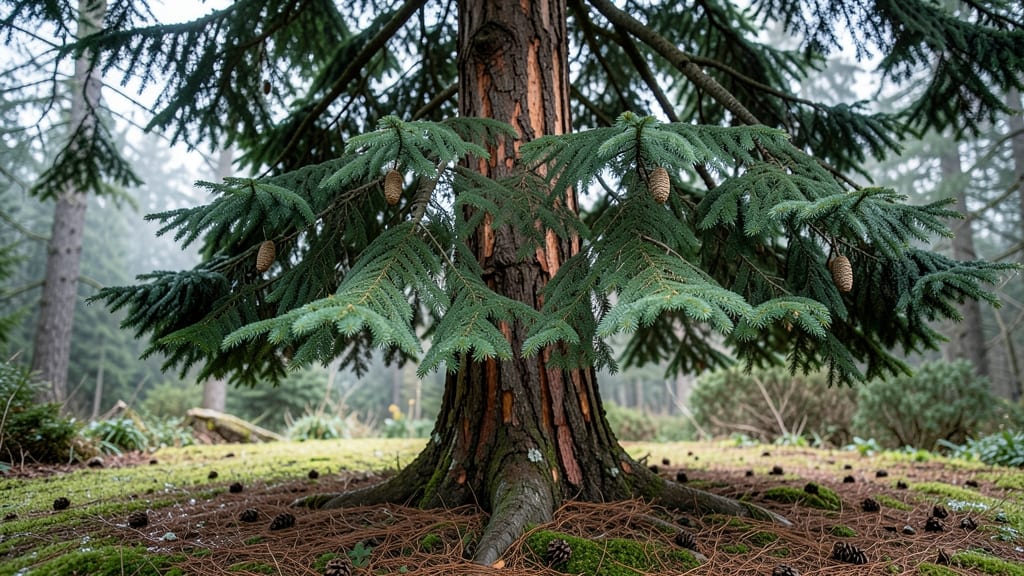
Planting cedar trees for a lush, evergreen privacy screen is one of the fastest ways to transform your yard. 🌲 These trees thrive in most climates, but the key to their success lies in proper planting—from selecting the right species to ensuring well-draining soil and the perfect spot.
I’ve learned that skipping soil prep or crowding saplings leads to slow growth, so I’ll show you exactly how to set them up for 3 years of dense, fragrant foliage.
Cedars love acidic, sandy soil mixed with compost, and they need full sun to partial shade—at least 6 hours of sunlight daily. The best species for privacy screens are Eastern Red Cedar (Juniperus virginiana) or Western Red Cedar (Thuja plicata), depending on your climate zone.
Spacing matters too: plant saplings 3–5 feet apart for a thick hedge or 10–15 feet apart if you want mature trees with space to grow. Mulch around the base to retain moisture and block weeds, but keep it 3 inches away from the trunk to prevent rot.
Once planted, cedars are low-maintenance, but the first year is critical. Water deeply once a week (or more in extreme heat) to help roots establish, then taper off as they grow. Prune lightly in early spring to shape the tree, but avoid heavy cuts—cedars heal slowly.
Over time, you’ll get that fragrant, evergreen wall that blocks noise, reduces wind, and adds year-round beauty to your property. Avoid these common mistakes: planting in heavy clay soil (roots rot), overwatering (cedars hate soggy feet), or using herbicides near them (they’re sensitive).
With the right care, your cedar screen will grow 2–3 feet per year, giving you that coveted privacy in just a few seasons. Let’s get those trees in the ground!
📚 In This Guide
- What you need
- Instructions
- Tips and common mistakes
- Wrapping up and next steps
What you need
- ● Cedar tree plants: 3–5 Western Red Cedar (Thuja plicata) or Eastern Red Cedar (Juniperus virginiana) saplings (1–3 feet tall, depending on desired height).
- ● OR 100+ cedar seeds (if starting from scratch—requires patience!).
- ● Soil amendments: 5–10 gallons of well-draining potting mix or native soil (amend with 20% compost for fertility).
- ● 1–2 bags of sand or perlite (for drainage, especially in clay soil).
- ● Planting tools: 1 shovel or spade (for digging holes).
- ● 1 hand trowel (for delicate root adjustments).
- ● 1 measuring tape (to space plants 3–6 feet apart).
- ● 1 garden hose or watering can (with a fine nozzle).
- ● Mulch: 2–3 bags of wood chips or pine straw (2–3 inches deep, to retain moisture).
- ○ Pruning supplies (optional but helpful): 1 pair of bypass pruners (for shaping young trees).
- ● 1 rubbing alcohol (to sterilize tools).
- ● 1 soil pH test kit (ideal range: 6.0–7.0 for cedars).
- ● 1 tree stake or bamboo support (for young, top-heavy saplings).
- ● 1 fertilizer (slow-release, 10-10-10 or cedar-specific blend).
- ● 1 landscape fabric (to suppress weeds under mulch).
- ● 1 spray bottle with water (for misting seeds if starting from scratch).
How to plant cedar trees for a fast-growing privacy screen
Here's the straightforward method I've used to create a lush, wind-blocking screen in under three years.
🪴 Step 1: Choose the Right Planting Site and Spacing
Cedars thrive in full sun to partial shade with well-draining soil. Pick a location where they'll receive at least 6 hours of sunlight daily—this ensures dense, healthy growth. Avoid low spots where water pools, as cedars hate soggy roots.
For a 4-plant screen, space each tree 6-8 feet apart in a straight line. This gives them room to spread while filling gaps quickly. I mark the spots with wooden stakes before digging to ensure even spacing—trust me, crooked lines look unprofessional after a year.
🌱 Step 2: Dig Holes and Prepare the Soil
Dig holes twice as wide as the root ball but only as deep as the container the cedars came in. This prevents burying the trunk too deep, which can cause rot. Loosen the sides of the hole with a shovel to help roots spread into the native soil.
Mix the excavated soil with compost (about 1 part compost to 3 parts soil) to improve drainage and fertility. Cedars aren’t picky, but amending the soil gives them a strong start. Gently place each tree in its hole, ensuring the top of the root ball sits 1 inch above ground level—this helps prevent settling over time.
💧 Step 3: Plant and Water Thoroughly
Backfill the hole with the amended soil, pressing lightly to remove air pockets but not compacting too firmly. Water deeply until the soil is evenly moist 6 inches down—this encourages roots to grow downward for stability. I use a garden hose with a gentle spray nozzle to avoid disturbing the soil.
After planting, add a 2-3 inch layer of mulch around the base, keeping it 6 inches away from the trunk to prevent rot. Mulch retains moisture and regulates soil temperature, which is especially helpful in hot climates. Water again if the top inch of soil feels dry after a week.
☀️ Step 4: Maintain for Rapid Growth
Cedars grow best with minimal fuss, but consistency is key. Water once a week during the first year unless rain provides 1 inch of moisture. After that, they’re drought-tolerant—just monitor for wilting or browning needles, which signals underwatering.
Fertilize once a year in early spring with a balanced, slow-release fertilizer (10-10-10). Avoid heavy-handed feeding—cedars grow steadily without it. Prune only to shape or remove dead branches; these trees fill in naturally. Within 3 years, your screen will be dense enough to block views and noise.
⏰ Step 5: Monitor and Adjust for Long-Term Health
Check for spider mites or bagworms in late summer—cedars are tough but not invincible. Treat infestations early with neem oil or insecticidal soap. If needles turn brown, it’s often due to overwatering or poor drainage, so adjust your care routine.
After the first year, you’ll notice new growth at the tips of branches—that’s your cue they’re thriving. Step back and admire your progress! With proper spacing and care, your cedar screen will mature into a privacy powerhouse in no time.
Tips & tricks for planting cedar trees
These simple strategies will help your cedar privacy screen grow faster and stay healthier for years to come.
Sunlight Secret: While cedars tolerate partial shade, they grow most vigorously in full sun. If your location only gets 4-5 hours of sunlight, consider planting them slightly closer together (about 5 feet apart) to compensate for slower growth. I've seen cedars in partial shade still thrive, but they'll fill in more slowly—think of it like giving them a little extra time to catch up.
Root Ball Handling: When removing cedars from their containers, gently squeeze the sides to loosen the root ball before lifting. This prevents root damage and helps the tree establish faster. If you notice roots circling tightly inside the container, make 2-3 vertical slits in the root ball with a knife before planting—this encourages outward growth and prevents girdling as the tree matures.
Watering Wisdom: The key to that 6 inches of deep moisture is patience. Instead of dumping water all at once, let it soak in gradually over 10-15 minutes. You'll know you've reached the right depth when water appears at the bottom of the hole. This slow soaking prevents runoff and ensures the roots get properly hydrated without becoming waterlogged.
Mulch Matters: That 2-3 inch layer of mulch works double duty—keeping moisture in AND weeds out. I like to use shredded bark mulch because it breaks down slowly and improves soil quality over time. Just remember to pull it back 6 inches from the trunk to prevent rot. In hot climates, you might want to add an extra inch of mulch during the first summer to protect those young roots from drying out.
Pro Tips for Cedar Tree Plants
- These simple strategies will help your cedar privacy screen grow faster and stay healthier for years to come.
- Sunlight Secret: While cedars tolerate partial shade, they grow most vigorously in full sun. If your location only ge...
- Root Ball Handling: When removing cedars from their containers, gently squeeze the sides to loosen the root ball befo...
Frequently asked questions
How fast do cedar trees grow for a privacy screen?
Cedar trees grow at a moderate pace—about 1 to 2 feet per year. With proper care, you can expect a dense, 6-foot-tall privacy screen in 3 years or less! For faster results, choose faster-growing varieties like Thuja occidentalis 'Emerald Green' or plant them closer together (3–4 feet apart).
When is the best time to plant cedar trees?
The ideal time to plant cedar trees is in early spring or fall when temperatures are mild. Avoid planting in extreme heat or frost, as young roots are sensitive. Spring planting gives them time to establish before summer droughts, while fall allows them to settle before winter dormancy.
How much water do cedar trees need?
Cedar trees are drought-tolerant once established, but newly planted trees need consistent moisture. Water deeply 1–2 times per week for the first year, ensuring the soil stays evenly moist but not soggy. After that, they thrive on natural rainfall. Mulch around the base (2–3 inches) to retain moisture and protect roots.
What pests or diseases should I watch for?
Cedar trees are generally low-maintenance, but watch for bagworms, spider mites, or cedar blight. Signs include yellowing needles, webbing, or brown spots. Treat pests with insecticidal soap or neem oil early. For fungal issues, improve airflow by pruning and avoid overhead watering. Healthy soil and proper spacing reduce most risks!
Can I plant cedar trees near other plants or structures?
Yes! Cedar trees adapt well to various conditions but need space to spread. Keep them 3–6 feet from sidewalks or driveways to avoid root interference. For companion plants, pair them with hostas, ferns, or shrubs like hydrangeas—they tolerate cedar’s shade and acidic soil. Avoid planting near black walnut trees, as their roots release toxins.
Wrapping up and next steps
Growing a lush cedar tree privacy screen in just three years is not only achievable but also incredibly rewarding! 🌲 Whether you’re drawn to their fragrant foliage, pest-repelling benefits, or timeless beauty, cedar trees are a fantastic addition to any landscape.
With the right soil, spacing, and care, you’ll soon enjoy a privacy haven that thrives for decades.
Ready to get started? Pick your cedar variety—like the fast-growing Leyland Cypress or the classic Eastern Red Cedar—and take the first step toward your dream outdoor space today! 🌱