
Trees
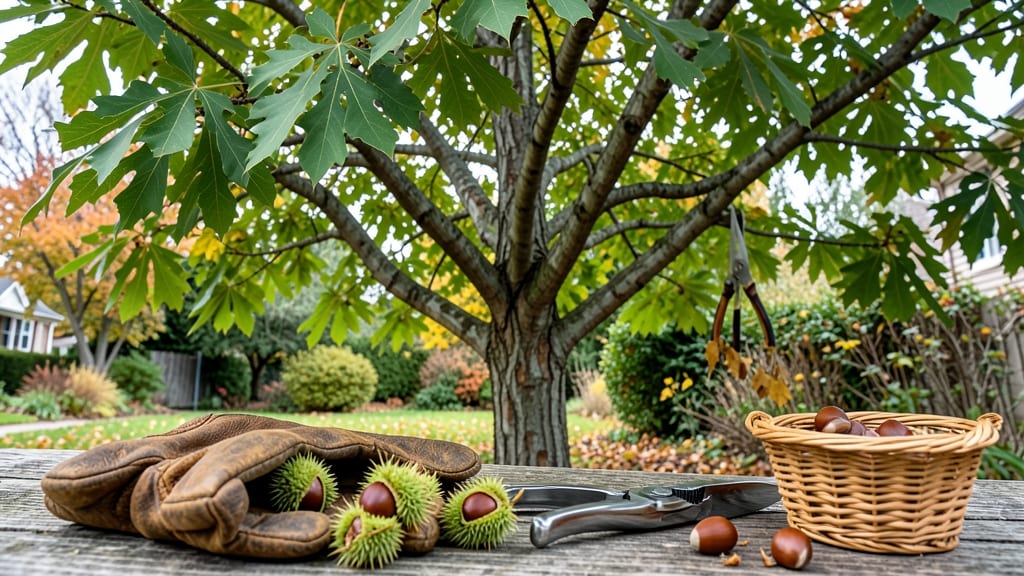
Buckeye tree nuts have limited safe uses beyond human consumption due to their toxicity, but they've been historically valued in landscaping, folk remedies, and wildlife support—particularly for their ornamental beauty, tannin-rich properties, and role in ecosystems.
While buckeye nuts are poisonous to humans, their high tannin content made them useful in traditional dye-making and leather tanning. 🌿 Native American tribes also used them in ceremonial contexts, though always with caution.
Today, buckeye trees shine in gardens as shade providers and erosion controllers, while their nuts serve as food for wildlife like squirrels and birds—just keep pets away!
For landscaping, buckeye trees offer striking fall foliage and adaptability to various soil types. Their ornamental value often outweighs concerns about the nuts, which remain off-limits for human use. Always wear gloves when handling fresh nuts to avoid skin irritation from their toxic compounds.
💡 In This Article
- Historical and Traditional Uses of Buckeye Tree Nuts
- Safe Landscaping and Wildlife Applications for Buckeye Trees
Historical and traditional uses of buckeye tree nuts
Native American tribes, particularly those in the Ohio River Valley region, utilized buckeye nuts primarily for their tannin-rich properties rather than direct consumption.
The high tannin content—up to 20-30% by weight—made them valuable for creating natural dyes, especially brown and black hues for textiles and leather. 🌿 The nuts were often ground into a powder and mixed with water to extract the tannins, which would then bind to fibers, producing durable, colorfast dyes that resisted fading from sunlight.
In folk medicine, buckeye nuts were sometimes used externally for their astringent qualities. The bitter compounds were believed to help treat skin irritations or minor wounds when applied as a poultice.
However, internal use was strictly avoided due to the presence of esculin and aesculin, compounds that can cause severe gastrointestinal distress, vomiting, and even neurological symptoms when ingested.
Tribes would carefully process the nuts to minimize exposure, often roasting them first to reduce toxicity while still preserving some medicinal properties.
The ceremonial significance of buckeye nuts extended to their symbolic value. The shiny, polished seeds were sometimes used as gambling pieces in traditional games, similar to how other native seeds were employed in social rituals.
Their striking appearance—glossy brown shells with white "eyes"—also made them popular for crafting jewelry and decorative items, though these applications required handling the nuts with gloves to prevent skin irritation from the toxic sap.
One lesser-known traditional use involved the nuts' role in leather tanning. The tannins in buckeye nuts helped preserve animal hides by binding to collagen fibers, making the leather more durable. This practice was particularly useful in regions where commercial tanning agents weren't available.
The process required soaking the nuts in water for days to extract the tannins, which were then applied to the hides in a multi-step treatment.
It's important to note that while these uses were historically documented, modern safety standards strongly discourage handling buckeye nuts without protection. The bitter almond-like scent of the crushed nuts is a clear warning sign of their toxicity, and even brief contact with the skin can cause irritation.
Always wear gloves and avoid inhaling dust from ground buckeye nuts to prevent respiratory issues.
For those interested in traditional applications today, consider using buckeye leaves or bark instead of the nuts, as these parts contain lower concentrations of toxic compounds.
Dried leaves can still be used for natural dye projects or as a decorative element in herbal arrangements, offering a safer alternative while maintaining the tree's historical connection to craft and culture. ✨