
How To
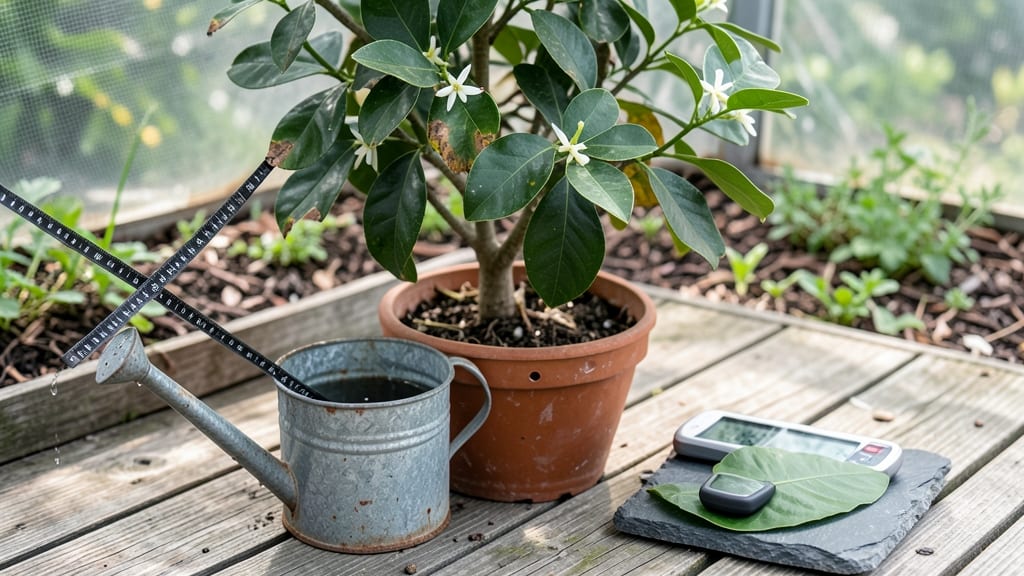
Brown tips on mandarin tree leaves mean your citrus tree is sending an SOS—often from overwatering, underwatering, or environmental stress. 🌿 I’ve nursed back more than a few struggling trees by pinpointing the exact cause, and the fix is usually simpler than you’d think.
The key is checking soil moisture, leaf texture, and even the air around your tree before jumping to conclusions.
Most of the time, it’s a watering issue: soggy soil chokes roots, while dry soil stresses leaves. But don’t overlook hidden culprits like fluoride buildup from tap water or sudden temperature swings.
A quick soil test (or just sticking your finger in the dirt) tells you everything you need to know—no fancy tools required.
Once you correct the problem, new growth will return within 2-4 weeks, and those crisp, glossy leaves will be back in no time. The secret is consistency: water deeply but only when the top 1-2 inches of soil feel dry, and always use rainwater or filtered water if possible.
For stubborn cases where leaves keep crisping despite your efforts, check for pests like spider mites or fungal issues—those need targeted solutions. But 90% of the time, it’s just a matter of adjusting your care routine. Let’s get your mandarin tree thriving again!
Understanding leaf stress signals
When your mandarin tree’s leaves start developing brown tips, it’s not just a cosmetic issue—it’s a cry for help. These discolorations are your tree’s way of signaling environmental or health-related stress.
Below, we break down the most common causes, backed by science, so you can diagnose the problem like a pro. 🌱🔍
Mandarin trees, like most citrus varieties, are sensitive to soggy roots. When soil stays too wet—whether from overwatering, heavy clay, or poor drainage—roots suffocate, cutting off oxygen and nutrients. This stress triggers oxidative damage in leaf tissues, causing brown, crispy edges.
Why it happens:
- Root asphyxiation: Waterlogged soil displaces oxygen, forcing roots to respire anaerobically. This produces ethanol and toxic byproducts (like acetaldehyde), which travel upward and damage leaf cells.
- Nutrient imbalance: Overwatering leaches vital minerals (e.g., calcium, magnesium, and potassium), leaving leaves starved and prone to browning.
- Fungal infections: Excess moisture creates a breeding ground for Phytophthora or Pythium, pathogens that clog root xylem vessels, restricting water and nutrient flow.
💡 Pro Tip: Test your soil’s drainage by digging a 12-inch hole, filling it with water, and timing how long it takes to drain. If it takes more than 4–6 hours, amend with perlite, sand, or organic matter (like compost).
On the flip side, dry, compacted soil or salt accumulation (from tap water, fertilizers, or poor-quality soil) can also cause brown tips. Salt draws moisture out of leaf cells via osmotic pressure, leading to dehydration and necrosis.
Why it happens:
- Osmotic stress: High salt concentrations in soil create a hypertonic environment, forcing water out of root cells. This disrupts the tree’s transpiration stream, causing leaf edges to dry out first (a process called marginal scorch).
- Root shrinkage: Chronic dryness causes roots to plasmolyze (shrink away from cell walls), reducing their ability to absorb water. The tree prioritizes younger leaves, leaving older ones to brown.
- Toxic ion buildup: Excess sodium (Na+) or chloride (Cl-) from fertilizers or hard water displaces potassium and calcium, essential for cell membrane integrity.
🌡️ Actionable Fix:
- Water deeply 2–3 times per week (adjust for climate) and check soil moisture 2 inches below the surface—it should feel damp, not soggy.
- Flush the soil with rainwater or distilled water to leach out salts. Repeat monthly if using tap water.
- Apply gypsum (calcium sulfate) to improve soil structure and dilute salt concentrations.
Mandarin trees are tropical-loving plants, and sudden changes in their environment—like wind, temperature swings, or air pollution—can trigger brown tips. These factors create oxidative stress in leaves, leading to cell death.
Why it happens:
| Stressor | Mechanism | Leaf Response |
|---|---|---|
| Cold drafts or frost | Damages cell membranes in leaf tissues, causing lipid peroxidation (oxidation of cell fats). | Brown, water-soaked patches that turn crispy (similar to frostbite). |
| Hot, dry wind | Increases transpiration rates beyond the tree’s ability to absorb water, leading to desiccation. | Brown tips or edges, often on exposed branches first. |
| Air pollution (e.g., ozone, sulfur dioxide) | Pollutants like O3 (ozone) react with leaf cuticle waxes, creating free radicals that damage chloroplasts. | Brown, speckled or flecked tips, especially on upper leaves. |
| Low humidity | Reduces the tree’s ability to retain moisture, causing stomatal closure and nutrient transport issues. | Crispy, papery brown edges, often paired with yellowing between veins. |
✨ Solution: Protect your tree by:
- Using windbreaks (e.g., burlap screens or nearby shrubs) in exposed areas.
- Misting leaves daily in hot, dry weather or using a humidifier nearby for container-grown trees.
- Avoiding early morning watering (encourages fungal growth) and opting for deep, even watering in the late afternoon.
Brown tips can also signal a mineral imbalance, where the tree lacks critical nutrients or suffers from excess fertilizers. Mandarin trees are particularly sensitive to calcium, magnesium, and iron levels.
Why it happens:
- Calcium deficiency: Calcium stabilizes cell walls and is crucial for new growth. Without it, leaf edges weaken and brown due to middle lamella breakdown (the "glue" between cells).
- Magnesium deficiency: Magnesium is central to chlorophyll production. A lack of it causes interveinal chlorosis (yellowing between veins) followed by brown, crinkled tips.
- Iron chlorosis: In alkaline soils (pH > 7.0), iron becomes unavailable, leading to oxidative stress in leaves. Brown tips appear alongside yellowing leaves.
- Fertilizer burn: Excess nitrogen (N) or potassium (K) can displace calcium and magnesium, causing tip burn. Over-application of synthetic fertilizers also raises soil salt levels.
🎯 Quick Fixes:
- Test your soil’s pH (ideal: 6.0–7.0 for mandarins). If alkaline, add elemental sulfur or peat
Fixing Brown Leaf Tips Fast
Now that you know the likely causes behind those unsightly brown tips on your mandarin tree leaves—whether it’s overwatering, underwatering, nutrient deficiencies, pests, or environmental stress—let’s roll up our sleeves and get to work!
Below are targeted solutions tailored to each root issue, plus prevention tips to keep your tree thriving. 🌿✨
Signs: Yellowing leaves, mushy stems, or brown tips that feel soggy.
How to Fix It: 🔥 Step 1: Check the Soil
- Stick your finger 2-3 inches deep into the soil. If it’s damp, hold off on watering. Mandarin trees prefer well-draining soil—if it’s compacted or clay-heavy, amend it with perlite, sand, or coconut coir to improve aeration.
🍳 Step 2: Adjust Your Watering Routine
- Water only when the top 1-2 inches of soil are dry (usually every 7-10 days, depending on climate).
- Bottom-watering (placing the pot in a tray of water for 10-15 mins) helps prevent over-saturation while encouraging deep root growth.
👨🍳 Step 3: Repot if Necessary
- If roots are circling or the pot lacks drainage holes, repot into a container with better drainage (terracotta pots work great!).
🌡️ Prevention Tip:
- Mulch around the base (but not touching the trunk) with orchid bark or pine needles to regulate moisture. Avoid organic mulch if fungal issues are suspected.
Signs: Crispy, dry brown edges, leaf drop, or soil pulling away from the pot.
How to Fix It: 🔥 Step 1: Hydrate Properly
- Soak the root ball thoroughly until water drains from the bottom. Let excess water escape completely before placing back in the saucer.
🥘 Step 2: Increase Humidity
- Mandarin trees love 50-70% humidity. Try:
- A pebble tray (fill a tray with water and pebbles, place the pot on top).
- A humidifier nearby (great for indoor trees).
- Misting leaves (early morning to prevent fungal growth).
⏰ Step 3: Water on a Schedule
- Stick to a consistent schedule (e.g., every 5-7 days in summer, less in winter). Morning watering is best—it reduces evaporation.
💡 Pro Tip:
- Group plants together to create a microclimate with higher humidity.
Signs: Brown tips with yellowing between veins (iron/chlorosis) or stunted growth (nitrogen).
How to Fix It: 🔥 Step 1: Test Your Soil
- Use a simple soil test kit (available at garden centers) to confirm deficiencies. Mandarin trees thrive in slightly acidic to neutral soil (pH 6.0-7.0).
🍳 Step 2: Fertilize Smartly
- For iron deficiency (yellowing):
- Apply chelated iron supplement (follow package instructions) or use Epsom salt (1 tbsp per gallon of water, spray on leaves).
- For nitrogen (slow growth):
- Switch to a balanced citrus fertilizer (e.g., 6-6-6 or 8-3-9) every 4-6 weeks during growing season (spring-fall).
- For zinc/magnesium:
- Use a liquid seaweed fertilizer (rich in micronutrients) or kelp meal worked into the soil.
👨🍳 Step 3: Improve Soil Health
- Mix compost or worm castings into the topsoil to boost organic matter and nutrient availability.
🌡️ Prevention Tip:
- Flush the soil every 3 months with water to prevent salt buildup from fertilizers.
Signs: Sticky residue (honeydew), tiny webs, or wilting despite proper watering.
How to Fix It: 🔥 Step 1: Isolate and Inspect
- Move the tree away from others to prevent spread. Check undersides of leaves and stems for pests.
🥘 Step 2: Treat Naturally First
- Neem oil spray (1 tsp neem oil + 1 tsp mild soap + 1 quart water) – spray early morning/evening for 1-2 weeks.
- Insecticidal soap (follow label rates) for aphids and mites.
- Prune heavily infested leaves and dispose of them in a sealed bag.
🔪 Step 3: Use Sticky Traps
- Place yellow sticky traps near the tree to monitor and catch flying pests.
✨ Prevention Tip:
- Encourage beneficial insects like ladybugs by planting marigolds or basil nearby.
Signs: Brown tips after recent repotting, cold drafts, or coastal exposure.
How to Fix It: 🔥 Step 1: Flush the Soil
- If salt buildup is suspected (common with tap water or fertilizers), run water through the soil until it drains clean for 10-15 minutes.
🍳 Step 2: Protect from Elements
- Move indoors if temperatures drop below 50°F (10°C) or if winds are harsh.
- Avoid placing near AC vents or heaters—consistent temperature is key!
👨🍳 Step 3: Adjust Water Quality
- Use rainwater or filtered water if your tap water is hard or chlorinated.
💡 Pro Tip:
- Acclimate gradually if moving the tree outside after winter—start with 2-3 hours of sun/day, increasing slowly.
No matter the cause, these quick fixes will help your mandarin tree bounce back.
For prevention, stick to this monthly checklist: - Water deeply but infrequently (check soil moisture). - Fertilize seasonally (spring-fall only). - Prune dead leaves to redirect energy. - Monitor pests weekly (early detection = easier fixes!).
With a little TLC, your mandarin tree will be sporting lush, green leaves in no time—and those sweet, juicy fruits won’t be far behind! 🍊🌟
Frequently asked questions
Why do my mandarin tree leaves get brown tips even when I water regularly?
Brown tips often signal overwatering or salt buildup from tap water. Check soil moisture by sticking your finger 2 inches deep—if it's damp, reduce watering. Also, flush the soil monthly with rainwater to remove excess salts that disrupt nutrient uptake.
Can fluoride in tap water cause brown tips on mandarin leaves?
Yes! Fluoride buildup from tap water is a common culprit. The mineral accumulates in soil, causing osmotic stress that dehydrates leaf edges. Switch to rainwater or filtered water, and flush the soil every 2-3 months to prevent buildup.
How do I tell if my tree has a nutrient deficiency vs. pest damage?
Nutrient deficiencies show as yellowing between veins (iron/chlorosis) or crinkled brown tips (calcium/magnesium). Pest damage often includes sticky residue (honeydew) or tiny webs. Inspect leaf undersides for mites/aphids—if you see pests, treat with neem oil.
Will pruning brown-tipped leaves help my mandarin tree recover?
Yes! Pruning removes stressed leaves that drain energy. Use clean, sharp shears to trim only the damaged tips (never more than 1/3 of the leaf). Focus on older leaves first—new growth will emerge healthier once the root cause (water/salt/deficiency) is fixed.
How long does it take for mandarin leaves to recover after fixing the issue?
With proper care, you’ll see improvement in 2-4 weeks. New leaves will emerge green, while existing ones may take longer. Monitor soil moisture and adjust watering—consistency is key! Severe cases (like salt buildup) may need 6-8 weeks for full recovery.