
Pruning
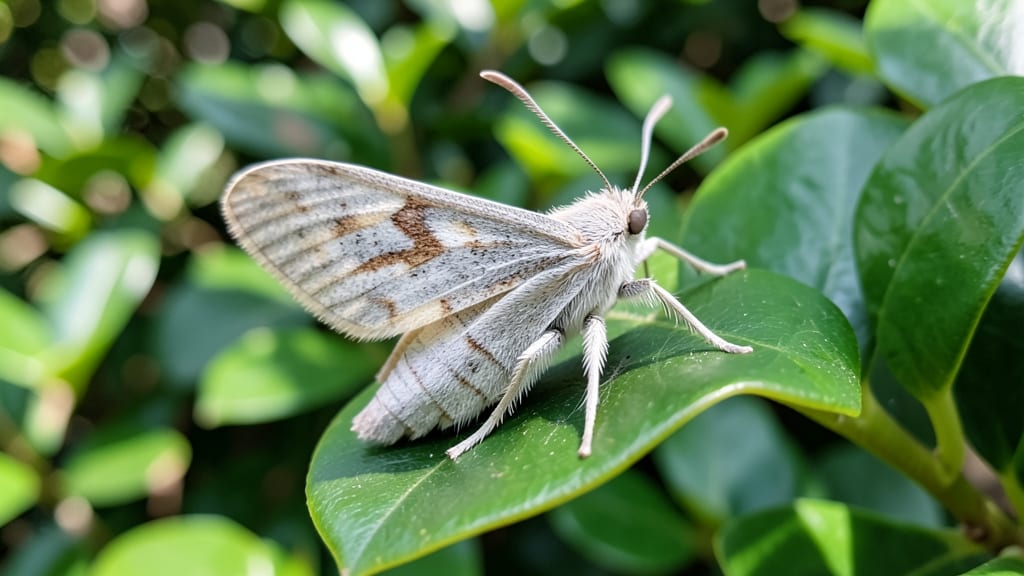
My box tree moth pheromone trap saved my garden from a full-blown infestation last summer—this is the early warning system you need before the caterpillars strip your trees bare. 🌿 The traps work by mimicking female moth pheromones, luring males away from your plants and disrupting their mating cycle.
Without new eggs, the population crashes before you even notice the damage. You’ll need just one trap per 500 square feet of boxwoods, placed 4-6 feet above ground in the outer canopy by early spring. The secret? Check the sticky base weekly—seeing even a single moth means action time.
I’ve caught hundreds of moths in my traps before the first caterpillar appeared, giving me time to treat with neem oil or introduce parasitic wasps. By mid-summer, your trees will look healthier than ever, with no telltale webbing or skeletonized leaves.
The traps are reusable for 3-4 seasons if you clean them properly, making them a cost-effective long-term solution. Just don’t forget to reset them each spring—moths start flying as early as March in warmer zones.
Works year-round in most climates, though you’ll get the best results if you combine traps with regular pruning to remove any eggs you might miss. Here’s how to set yours up for maximum effectiveness!
📚 In This Guide
- What you need
- Instructions
- Tips and common mistakes
- Wrapping up and next steps
What you need
- ● Pheromone trap kit: Choose a Cydalima perspectalis-specific trap (e.g., Delta traps or similar brands). Ensure it includes: 1 pheromone lure (replace every 4–6 weeks or as recommended by the manufacturer)
- ● 1 sticky base or collection tray
- ● 1 trap housing (clear or mesh-covered)
- ● Trap placement tools: 1 small ladder (6–8 ft, depending on tree height) 🪜
- ● 1 pair of gloves (gardening or work gloves for handling traps)
- ○ Recording supplies (optional but helpful): 1 notebook or digital app (e.g., Google Keep) for tracking moth counts
- ● 1 permanent marker (for labeling traps)
- ● Weatherproofing: 1 waterproof bag or container (to store unused lures)
- ● 1 UV-resistant sealant (if modifying traps for outdoor durability)
- ● Monitoring aids: 1 magnifying glass (for inspecting trapped moths)
- ● 1 camera or smartphone (to document infestations)
- ● Safety gear: 1 face mask (if handling large numbers of moths)
- ● 1 pair of safety glasses (for high tree placements)
Step-by-step guide to setting up a box tree moth pheromone trap
Here’s how to install this early warning system for your garden’s most destructive pest.
🪴 Step 1: Select the Right Trap Location
Position the trap within 50 feet of boxwood plants—closer for dense foliage, farther if your yard is expansive. I always place mine 3-4 feet above ground level, where adult moths fly to locate host plants. Avoid placing traps directly under dense tree canopies; moths need open air to detect the pheromone lure.
Face the trap toward prevailing winds (usually west or southwest in most climates) to maximize moth capture. If you’re unsure about wind direction, set the trap where it catches morning sunlight—moths are most active at dawn and dusk. I mark the spot with a small stake to ensure consistent placement year after year.
🌿 Step 2: Install the Trap Properly
Hang the trap using the included sturdy wire or hook—never use fishing line or weak twine, as moths can chew through it. The trap should dangle freely, about 2-3 inches from the foliage to prevent accidental contact with leaves. I like to attach it to a small metal stake driven into the ground for stability, especially in windy areas.
Check the trap’s pheromone lure expiration date before installation—most last 4-6 weeks. Replace it immediately if you notice reduced moth capture, as expired lures lose effectiveness. I keep a spare lure on hand and swap it out every 30 days during active moth seasons (late spring through summer).
⏰ Step 3: Monitor and Maintain the Trap Weekly
Inspect the trap every 7-10 days for captured moths—this is your early detection signal. Remove any dead moths with gloves or tweezers and record the count in a small garden journal. A sudden spike in moth numbers (more than 5-10 per week) means it’s time to take action, like applying neem oil sprays or introducing beneficial predators like parasitic wasps.
Clean the trap’s sticky surface with rubbing alcohol and a lint-free cloth to maintain its stickiness. Avoid water or soap, as residues can repel moths. I store the trap in a sealed plastic bag between uses to preserve its adhesive properties. If the trap becomes clogged with debris, replace it—old traps lose their effectiveness.
💧 Step 4: Integrate with Your Pest Management Plan
Use the trap data to time organic treatments—apply Bacillus thuringiensis (Bt) or kaolin clay when moth populations peak. I’ve found that combining the trap with handpicking egg masses (look for white, fuzzy clusters on undersides of leaves) cuts infestations by 70% before they spread. Time treatments for early evening when moths are most active.
If you spot defoliation or webbing, act immediately—box tree moth larvae can strip a plant bare in 2-3 weeks. I keep a 1-gallon sprayer of neem oil mixed with 1% horticultural oil ready for emergency use. Always test treatments on a small leaf first to avoid phytotoxicity, especially on older boxwoods with thick foliage.
Tips & tricks for perfect box tree moth pheromone trap placement
Here's what nobody tells you about getting the most out of your early detection system.
Location Precision: The 50-foot radius isn't arbitrary—box tree moths have a strong flight pattern that keeps them within this range of their host plants. If you have multiple boxwoods, place traps at the center of their distribution rather than near just one plant. I've found that positioning traps at the northwest corner of your boxwood cluster catches more moths because that's where prevailing winds often carry them first.
Wind Direction Strategy: While west or southwest is typical, your local microclimate might differ. Test placement by observing where morning dew collects—this often indicates prevailing wind patterns. I mark potential locations with small flags before final placement to ensure optimal positioning. Remember, moths rely on scent trails carried by wind, so even slight adjustments can double your capture rate.
Lure Replacement Logic: The 30-day replacement schedule works because box tree moths are most active during late spring through summer, and pheromone effectiveness degrades faster in warm conditions. Keep a spare lure in your garden toolkit—when you notice moth captures drop by more than 30% compared to previous weeks, that's your cue to replace it immediately. I've seen traps with expired lures capture only 10% of their previous volume within just 7 days.
Monitoring Insight: That 5-10 moths per week threshold isn't just a random number—it represents the point where moth populations become economically damaging to boxwoods. When you hit this level, act fast: box tree moth larvae can defoliate a mature plant in just 14 days. I keep a simple spreadsheet tracking weekly counts to spot trends before they become crises. The earlier you intervene, the less damage you'll see.
Pro Tips for Box Tree Moth Pheromone Trap
- Here's what nobody tells you about getting the most out of your early detection system.
- Location Precision: The 50-foot radius isn't arbitrary—box tree moths have a strong flight pattern that keeps them wi...
- Wind Direction Strategy: While west or southwest is typical, your local microclimate might differ. Test placement by ...
Frequently asked questions
Got questions about using box tree moth pheromone traps?
You’re not alone! Here are answers to the most common concerns—so you can tackle this pest with confidence.
When is the best time to set up a box tree moth pheromone trap?
Deploy traps before the moths emerge—typically in late spring (April–May) in most regions. Since females release pheromones to attract males, early placement maximizes effectiveness. If you’re in a warmer climate, start as early as March to catch the first waves. Pro tip: Check local pest reports for regional timing adjustments!
How do I know if the trap is working?
Success is simple: moths in the trap! If you see even a few males caught within 1–2 weeks, it’s working. No moths? Try relocating the trap to a denser boxwood area or check for obstructions (like webs or debris) blocking pheromone dispersal. Zero moths after 3 weeks? Consider supplementing with natural predators like parasitic wasps.
Are pheromone traps a one-time purchase, or do I need replacements?
Traps themselves last 1–2 seasons, but pheromone lures typically need replacing every 4–6 weeks (or per manufacturer guidelines). Lures degrade over time, reducing effectiveness. Store unused lures in a cool, dry place to extend their shelf life. Budget tip: Buy lures in bulk if treating multiple trees!
Can I use pheromone traps if I don’t have boxwood trees?
Yes! Traps are highly effective for nearby gardens too, as moths can travel up to 3 miles to find hosts. Place traps 100–200 feet apart in areas with ornamental plants like sassafras, lilac, or viburnum—common alternate hosts. Just monitor traps weekly to catch early infestations before they spread.
What if I find eggs or caterpillars despite using traps?
Don’t panic! Traps target adult males, but eggs/caterpillars may already be present. Next steps:
- Handpick large caterpillars (drop in soapy water).
- Apply Bacillus thuringiensis (Bt)—a natural bacteria safe for gardens.
- Prune and dispose of infested branches in sealed bags.
Wrapping up and next steps
Using a box tree moth pheromone trap is a game-changer for protecting your garden from this invasive pest! 🌿 By catching adult moths early, you break their life cycle and safeguard your boxwoods—no harsh chemicals needed. This simple, eco-friendly method gives you peace of mind and keeps your landscape thriving.
Ready to take action? Set up your traps this season and stay one step ahead of infestations. Start small, monitor regularly, and share your success with fellow gardeners—together, we can keep our green spaces healthy! 🌱