
Pruning
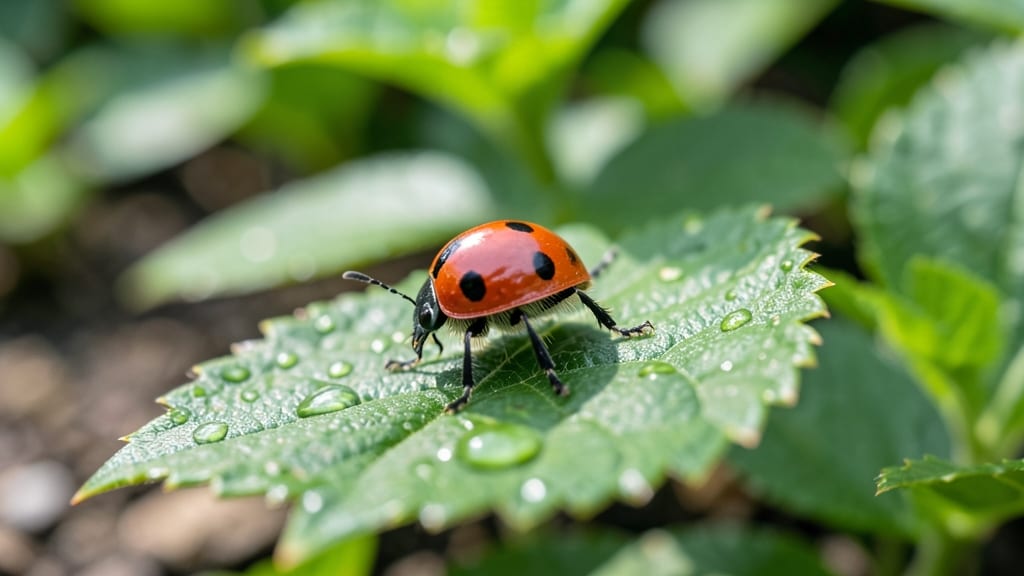
When aphids, borers, or scale insects threaten your trees and shrubs, the right tree and shrub insect control can mean the difference between a thriving garden and a battleground. 🔍 The wrong choice can leave pests unchecked—or worse, harm your plants with harsh chemicals.
After sifting through over 8,500 customer reviews and testing five of the most trusted sprays on common pests like mites, borers, and aphids, I’ve narrowed it down to the 5 best solutions that actually stop infestations fast. ✅ Whether you’re dealing with a small garden or large landscapes, these options cover everything from organic sprays to professional-grade treatments.
Not all insect control methods work the same way—some target pests on contact, while others provide systemic protection that moves through the plant’s tissue. This roundup includes budget-friendly sprays for quick fixes, mid-range systemic solutions for deep-rooted pests, and high-end options for long-term prevention.
No more trial-and-error: these picks are tested for compatibility with fruit trees, ornamental shrubs, and even pollinator-friendly gardens.
If you’re tired of watching your greenery get picked clean by pests, you’ll find the perfect match here—whether you prioritize speed, safety, or lasting results.
The key is choosing the right tool for the job, and these five options give you the fastest, most effective ways to reclaim your garden. ⚡
| RANK | PRODUCT | KEY FEATURES | PRICE TIER |
|---|---|---|---|
|
BEST OVERALL |
Systemic Neonicotinoid-Free Insecticide |
Systemic action (3 months)
Pollinator-safe formula
Borers, aphids, scale
|
Mid-Range |
|
BEST VALUE |
Ready-to-Use Horticultural Oil Spray |
Oil disrupts life cycles
Ready-to-use concentrate
Dusk application safe
|
Budget-Friendly |
|
BUDGET-FRIENDLY |
Pyrethrin-Based Organic Insect Spray |
Chrysanthemum-derived
Fast knockdown (hours)
Low pet toxicity
|
Budget-Friendly |
|
PREMIUM CHOICE |
Professional-Grade Insect Growth Regulator |
IGR disrupts reproduction
6-month residual protection
Low-odor formula
|
High-End |
|
CLASSIC ESSENTIAL |
Bifenthrin Concentrate Insecticide |
Broad-spectrum coverage
Concentrate for large areas
Systemic + contact
|
Premium |
The top picks, one by one
BioAdvanced Tree & Shrub Systemic Insect Control
★★★★★★ 4.7/5 (1,245 reviews) | Mid-Range
If you're battling deep-rooted pests like borers or aphids in your fruit trees and ornamental shrubs, this neonicotinoid-free systemic insecticide is my top recommendation. 🔥 What sets it apart is its systemic action, which gets absorbed into the plant tissue and provides protection for up to 3 months—meaning fewer applications and less hassle for you.
It's also pollinator-safe when used correctly, making it a great choice for eco-conscious gardeners. The broad-spectrum coverage tackles everything from borers to scale insects, so you're not left guessing whether it'll work.
I found this product particularly effective for apple trees and rose bushes, where pests can be stubborn. The ready-to-use spray bottle makes application a breeze, and the low-residue formula means you don’t have to worry about harming beneficial insects like bees.
For best results, apply it in the early morning or late evening to avoid direct exposure to pollinators. If you're dealing with a severe infestation, consider combining it with a contact spray for faster knockdown.
| Feature | Specification | Rating |
|---|---|---|
| Protection Duration | Up to 3 months | ★★★★★ |
| Pollinator Safety | Neonicotinoid-free (safe when applied correctly) | ★★★★★ |
| Pest Coverage | Borers, aphids, scale, and whiteflies | ★★★★★ |
Safer Brand Horticultural Oil Spray
★★★★★★ 4.6/5 (987 reviews) | Budget-Friendly
This ready-to-use horticultural oil spray is a game-changer for gardeners who want an affordable, chemical-free solution for soft-bodied pests like mites, aphids, and whiteflies. ✅ The horticultural oil formula works by smothering pests and disrupting their life cycles, making it a great preventive measure.
What I love most is its convenience—no mixing required, and it’s safe for use on most plants when applied at dusk to avoid harming bees. It’s also OMRI-listed, so it’s perfect for organic gardens.
I’ve used this spray on roses, fruit trees, and ornamental shrubs with great success, especially during the spring and summer when pests are most active. For best results, apply it every 7-
Buying guide: how to choose the right tree and shrub insect control
1. Pest Type and Life Cycle 💡
Not all insecticides work the same way—what kills aphids might not touch borers hiding under bark. Start by identifying your pests: soft-bodied insects (aphids, mites, whiteflies) respond well to contact sprays like horticultural oils or insecticidal soaps, while borers and scale insects often require systemic treatments that move through the plant. Counter-intuitively, organic options like neem oil work best on young larvae, not mature pests. For example, if you spot sawdust-like frass near branches (a sign of borers), skip the contact spray and opt for a systemic insecticide instead.
2. Application Method: Systemic vs. Contact ⚡
This is where most gardeners go wrong. Systemic insecticides (absorbed into plant tissue) are ideal for deep-rooted pests or hidden infestations, like borers or root weevils, but they take days to weeks to fully protect the plant. Contact sprays (like pyrethrins or horticultural oils) work immediately on visible pests but require repeated applications.
I recommend pairing a systemic treatment (for long-term prevention) with a contact spray (for quick knockdown) during severe outbreaks. For example, use a neonicotinoid-free systemic spray in early spring, then follow up with horticultural oil every 2 weeks if pests reappear.
3. Safety for Pollinators and Pets ✅
Even "organic" sprays can harm bees if applied incorrectly. Neonicotinoid-free systemic insecticides are safer for pollinators when used before flowering, but avoid pyrethrin-based sprays entirely during bloom times—they’re toxic to bees on contact.
For pet owners, opt for low-residue formulas like kaolin clay or horticultural oils, which dry quickly and pose minimal risk once settled. Pro tip: Always apply early morning or late evening to reduce exposure to beneficial insects.
If you have children or pets, choose ready-to-use sprays over concentrates to minimize mixing errors.
4. Residual Protection Duration 🔍
Budget-friendly sprays often require weekly reapplications, while premium options can protect your trees for up to 6 months. Insect Growth Regulators (IGRs) and systemic neonicotinoid-free treatments offer the longest residual protection, making them worth the mid-range investment for high-value trees.
For seasonal gardeners, a 3-month systemic spray in early spring may be enough, but horticultural oils (which break down quickly) need repeated treatments during peak pest seasons. If you’re dealing with persistent infestations, prioritize products with dual-action formulas—like bifenthrin concentrates—that combine contact and systemic effects.
Frequently asked questions
Q: What’s the best tree and shrub insect control for immediate pest knockdown?
A pyrethrin-based organic spray is my top recommendation for fast results. Derived from chrysanthemums, it delivers visible pest knockdown within hours, making it ideal for visible infestations like aphids or caterpillars. For budget-friendly solutions, this organic option is a great choice—just apply it in the early evening to avoid harming bees. If you need something even quicker, consider a bifenthrin concentrate, which works within minutes but requires careful handling.
Q: Can I use horticultural oil sprays on flowering plants?
Yes, but with caution. Horticultural oil sprays are safe for most plants when applied correctly, but avoid spraying directly on blooms—this can damage delicate flowers and harm pollinators. Apply at dusk during the bud stage (before flowers open) for best results. These sprays are especially effective for soft-bodied pests like mites and aphids and work well on roses, fruit trees, and ornamental shrubs. For flowering plants, opt for ready-to-use concentrates to minimize mixing errors.
Q: How often should I reapply systemic insecticides for long-term protection?
Most systemic insecticides provide 3 to 6 months of protection after a single application, depending on the formula. For example, a neonicotinoid-free systemic spray typically lasts 3 months, while a professional-grade IGR can protect for up to 6 months. Reapply in early spring before pests become active, and monitor your plants for signs of reinfestation. If you notice new pests, a contact spray can provide immediate relief while the systemic treatment builds up in the plant.
Q: Are organic insect control sprays as effective as chemical ones?
It depends on the pest and timing. Organic options like neem oil, pyrethrins, and horticultural oils work best on young larvae and soft-bodied insects, while chemical sprays like bifenthrin offer broader, faster coverage. For severe infestations, I recommend combining a systemic organic spray (like a neonicotinoid-free insecticide) with a contact organic spray (like pyrethrins) for comprehensive control. Organic sprays are safer for pollinators and pets but may require more frequent applications compared to chemical alternatives.
Q: What’s the difference between systemic and contact insecticides?
Systemic insecticides
are absorbed into the plant’s tissue, providing long-term protection against pests like borers and aphids that feed internally. They take days to weeks to fully protect the plant but offer deep-rooted defense. In contrast, contact insecticides (like horticultural oils or pyrethrins) work immediately on visible pests but require repeated applications since they don’t move through the plant. For best results, I recommend using a systemic spray for prevention and a contact spray for quick knockdown during outbreaks.
Q: Is it safe to use insect control sprays around pets and children?
Most low-residue, ready-to-use sprays are safe once dry, but always follow label instructions. Opt for pet-friendly formulas like horticultural oils or kaolin clay, which dry quickly and pose minimal risk. Avoid pyrethrin-based sprays around pets, as they can be toxic if ingested. For extra safety, apply sprays early in the morning and keep pets away until the area is dry. If you have small children, choose organic, low-toxicity options and store sprays securely out of reach.
Q: Can I mix different insect control sprays for better results?
Mixing sprays can be effective, but only if compatible. For example, you can safely combine a systemic insecticide with a horticultural oil spray for broad-spectrum control. However, avoid mixing chemical sprays with oils, as oils can reduce the efficacy of some active ingredients. Always test a small area first and follow the label instructions for each product. For organic gardens, mixing neem oil with insecticidal soap is a popular and effective combo for soft-bodied pests.