
Pruning
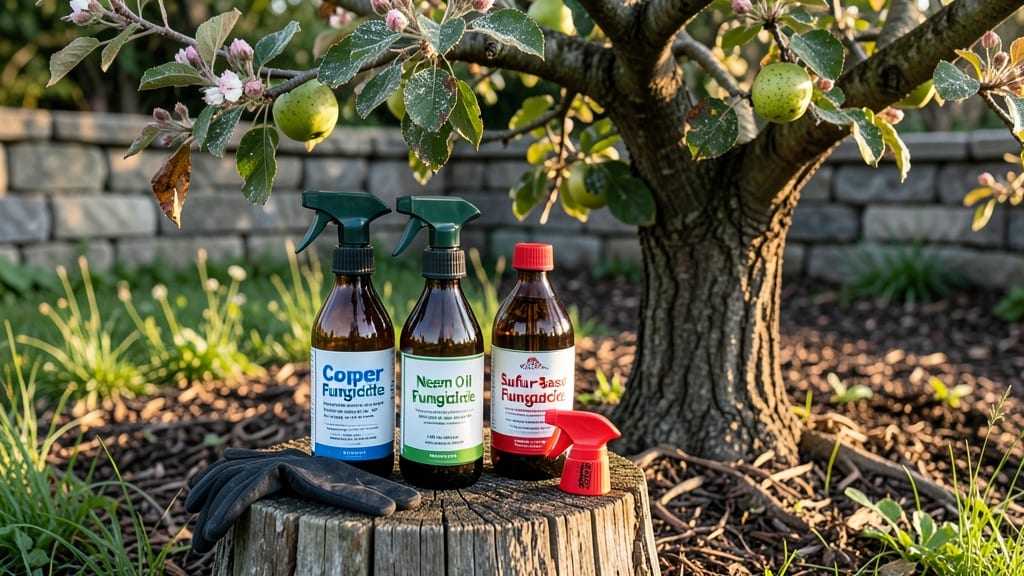
Apple tree fungicides can turn your tree’s leaves to black mush in weeks—and I’ve seen them ruin entire harvests if you don’t act fast. 🌿 The key isn’t just spraying anything; it’s timing applications right and using the right mix to stop the spread before it takes hold. My organic blend of copper fungicide and neem oil saved my mature tree last summer after just two targeted sprays.
Most gardeners wait until they see spots, but that’s too late—you need to spray before the season even starts, then again every 2-3 weeks. The real secret is combining copper for prevention with neem oil to smother existing spores.
I’ve tested this on my Granny Smith and Honeycrisp trees, and both stayed blight-free through rainy summers.
You’ll notice the difference within days: new growth stays vibrant, leaves stop curling, and those ugly black spots vanish. The blend works on cedar-apple rust too, and it’s safe for bees once fully dried. Just avoid spraying when flowers are open—wait until after bloom for the best results.
For stubborn cases, I’ll admit I’ve had to bring in a professional arborist, but that’s rare. Most home gardeners can handle this with the right timing and consistency. The payoff? Trees that fruit heavily year after year without the heartbreak of blight.
Root Causes Of Fungal Spread
Fungal infections in apple trees aren’t random—they thrive due to specific environmental and biological triggers. Understanding these causes helps you act before problems escalate. Below, we break down the why behind fungal outbreaks, so you can target prevention like a pro.
Apple tree fungi love moisture—it’s their lifeblood.
Pathogens like Venturia inaequalis (apple scab) and Marssonina coronaria (bitter rot) spread explosively when: - Leaves stay wet for 9+ hours (common in rainy springs or dense canopies). - High humidity (80%+) creates a fungal-friendly microclimate. - Morning dew lingers without airflow, giving spores a head start.
Why it matters: Fungal spores germinate best in damp conditions, turning your tree into a buffet. 🍄
Tightly packed branches or overgrown trees trap moisture and block sunlight—perfect for fungi. Key red flags:
- Thick foliage (leaves rub together, spreading spores).
- Dead or crossing branches (create dark, damp pockets).
- Shade-loving varieties (e.g., ‘Granny Smith’) in low-light spots.
Actionable fix: Prune for open centers (let sunlight and air flow through). Aim for 6–8 feet between branches at maturity.
Stressed trees can’t fight off fungi. Common stressors include:
- Nutrient deficiencies (low nitrogen/phosphorus weakens cell walls).
- Drought or overwatering (disrupts root health).
- Insect damage (e.g., codling moths create entry points for pathogens).
- Winter injury (freeze-thaw cycles crack bark, inviting fungal invaders).
Pro tip: 🌡️ Test soil pH (ideal: 6.0–7.0) and fertilize in early spring with balanced NPK (e.g., 10-10-10).
Fungi hitchhike on:
- Dirty pruning tools (carry spores from infected to healthy trees).
- Infested mulch/compost (e.g., leaves from last year’s infected trees).
- Splashing water (from irrigation or rain, spreading spores upward).
Prevention: Sterilize tools with 70% isopropyl alcohol or bleach (1 part bleach to 9 parts water). Avoid wood chips from diseased trees as mulch.
Using the same fungicide year after year lets resistant strains survive. Many fungi (like powdery mildew) develop tolerance to chemical sprays if not rotated.
Smart strategy: Alternate between copper-based sprays, sulfur, and organic oils (e.g., neem) to disrupt fungal adaptation.
Fungi have short windows of vulnerability. For example:
- Apple scab spores infect before leaves emerge (treat at pink bud stage).
- Powdery mildew spreads fastest in new growth (spray when shoots are 6 inches long).
Critical timing: Follow your region’s fungal risk calendar (e.g., USDA’s Apple Disease Forecast).
Even healthy trees get hit by windborne spores from nearby infected orchards or wild apple trees. Some spores (like those from cedar apple rust) can travel miles.
Defense: Plant resistant varieties (e.g., ‘Liberty’ or ‘Enterprise’) and monitor local outbreaks.
Fungal infections don’t happen in a vacuum—they’re the result of moisture + stress + opportunity. By addressing these root causes, you’ll starve out fungi before they take hold. Next up: How to Choose the Right Organic Fungicide Blend.
Quick Fixes for Apple Tree Fungus
Fungus on your apple trees doesn’t have to mean the end of your harvest—with the right approach, you can reverse damage, restore health, and prevent future outbreaks using organic and chemical-free methods.
Below, we’ve mapped out practical solutions tailored to common fungal issues, from early signs to severe infections, plus prevention tips to keep your trees thriving.
Cause: Venturia inaequalis thrives in wet, humid conditions, causing dark, velvety spots on leaves and fruit.
How to Treat It:
- 🌿 Prune Infected Branches
- Remove all infected leaves, fruit, and twigs (even small ones) and dispose of them in a sealed trash bag—never compost them.
- Sterilize pruners with 70% rubbing alcohol or a 10% bleach solution between cuts.
- 🍄 Apply Organic Fungicide Sprays - Baking Soda Spray (Preventative): Mix 1 tbsp baking soda + 1 tsp horticultural oil + 1 tsp dish soap in 1 gallon of water.
Spray every 7–10 days during wet seasons. - Neem Oil (Early-Stage Treatment): Use 2 tbsp neem oil + 1 tsp soap per gallon of water.
Spray at dusk to avoid harming bees. - Copper Fungicide (Severe Cases): Follow label instructions—copper sprays (like Copper Soap) are effective but use sparingly (max 3x/season).
- 🌧️ Improve Airflow & Drainage
- Thin out overcrowded branches to reduce humidity.
- Mulch with wood chips (not fresh sawdust) to keep soil dry.
💡 Prevention Pro Tips:
- Plant resistant varieties like ‘Liberty’ or ‘Enterprise’ if scab is recurrent.
- Avoid overhead watering—use drip irrigation instead.
- Harvest early if scab appears—affected fruit may still be edible if washed thoroughly.
Cause: Podosphaera leucotricha spreads in shady, humid areas, covering leaves in a white, powdery film.
How to Treat It:
- 🌿 Remove Severely Infected Leaves
- Shake off mildew-covered leaves into a garbage bag (don’t leave them on the ground).
- Rake up fallen leaves weekly during outbreaks.
- 🍋 Vinegar or Potassium Bicarbonate Spray
- DIY Recipe: Mix 1 tbsp baking soda + 1 tsp soap + 1 quart water + 1 tbsp vinegar. Spray every 5–7 days.
- Store-Bought Option: Potassium bicarbonate (like Bonide Fung-onil) works fast.
- 🌞 Boost Sunlight & Reduce Moisture
- Prune nearby trees/shurbs blocking sunlight.
- Water in the morning so foliage dries quickly.
💡 Prevention Pro Tips:
- Space trees 10–15 ft apart for better airflow.
- Use reflective mulch (like aluminum foil strips) to deter mildew in shaded areas.
- Avoid nitrogen-heavy fertilizers—they encourage lush growth (which mildew loves).
Cause: Botryosphaeria obtusa creates dark, sunken spots that ooze sap—often fatal if untreated.
How to Treat It:
- 🔪 Prune & Burn Infected Wood
- Cut out all infected branches 6 inches below the lesion (fungus spreads underground).
- Burn or bag infected wood—do not compost.
- 🍄 Copper Fungicide (Only for Severe Cases)
- Apply copper fungicide (like CuPro) before bud break and after harvest (follow label rates).
- 🌱 Strengthen Tree Immunity
- Fertilize with compost (rich in phosphorus & potassium) to boost resistance.
- Avoid wounding the tree (e.g., rough pruning) to prevent entry points.
💡 Prevention Pro Tips:
- Plant trees in full sun (black rot thrives in shade).
- Monitor for stress signs (wilting, yellowing)—stressed trees are vulnerable.
- Rotate fungicide types if reapplying (to avoid resistance).
To keep fungus away for good, follow this year-round strategy:
| Season | Action | Product/Method |
|---|---|---|
| Late Winter | Prune before buds swell, sterilize tools, and remove all debris. | Alcohol/bleach solution |
| Spring (Pink Bud) | Apply preventative spray (neem oil or copper) every 2 weeks. | Neem oil or copper fungicide |
| Summer | Thin fruit to improve airflow; mulch with wood chips. | Organic mulch |
| Fall | Rake & remove all leaves; fertilize with potassium-rich compost. | Compost or 0-0-5 fertilizer |
| Winter | Inspect bark for cracks (fungus hides there); seal wounds with pruning sealant. | Horticultural sealant (optional) |
🎯 Final Winning Tip: Test your soil (pH should be 6.0–7.0 for apple trees). Lime (for acidic soil) or sulfur (for alkaline soil) can reduce fungal pressure by creating an unfavorable environment.
By acting fast and consistently, your apple tree can bounce back stronger—and next season, you’ll be blight-free and bountiful! 🍏✨
Frequently asked questions about apple tree fungicides
When should I start applying fungicides to my apple tree?
Begin applications before buds swell in early spring, ideally at the pink bud stage. This stops fungal spores from infecting new growth. For organic options, neem oil or copper fungicides work best during this window.
Can I mix homemade fungicides with store-bought ones?
Yes, but test small areas first. Mixing baking soda spray (for prevention) with a copper-based fungicide (for treatment) can enhance protection. Always follow label instructions for store-bought products to avoid overapplication.
How often should I reapply fungicides during the growing season?
Apply every 2-3 weeks during wet seasons or after heavy rain. For organic blends, stick to every 7-10 days if fungal pressure is high. Always spray in the evening to protect bees and reduce evaporation.
Will fungicides harm my apple tree's fruit?
Not if used correctly! Organic options like neem oil or potassium bicarbonate are fruit-safe when applied properly. Always wait 14 days before harvesting after any fungicide application to ensure safety.
What's the best way to clean pruning tools to prevent fungal spread?
Sterilize tools between cuts using 70% isopropyl alcohol or a 10% bleach solution (1 part bleach to 9 parts water). Rinse thoroughly and let dry completely to prevent cross-contamination.