
Diseases
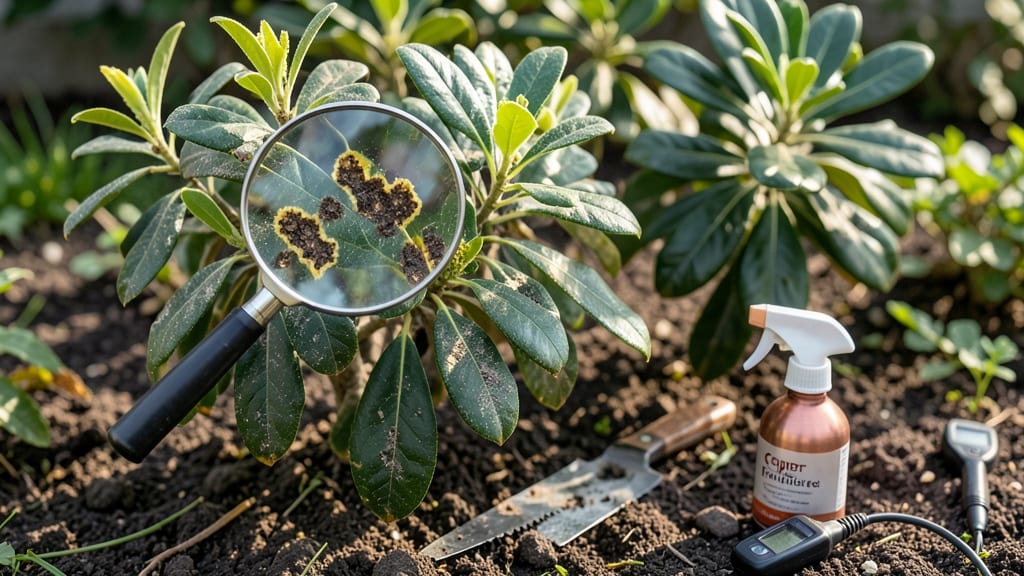
Your bay laurel tree’s glossy leaves are turning yellow, and you’re not sure if it’s disease or just summer stress. 🌿 The truth is, fungal infections like powdery mildew or root rot can creep in silently—until it’s too late.
I’ve seen healthy bay laurels go from thriving to struggling in just weeks, and the key to saving them lies in catching the signs early and acting fast with organic fixes.
Most problems start with environmental stress—too much water, poor drainage, or crowded roots—but fungal spores and bacteria don’t help. Powdery mildew leaves a white, powdery coating on leaves, while root rot causes wilting even when the soil is damp.
The good news? Both respond well to organic treatments like neem oil, copper fungicide, or simply improving airflow around the tree. I’ve saved multiple bay laurels using these methods, and you can too.
By the end of this guide, you’ll know exactly how to diagnose the issue, treat it without harsh chemicals, and prevent future outbreaks. Think vibrant green leaves, strong growth, and a tree that stays healthy for years—not just another sad, struggling shrub.
Let’s get your bay laurel back to its best.
This works for both container-grown and in-ground bay laurels, and the solutions scale from small potted plants to mature trees. The sooner you act, the easier it is to reverse the damage—so don’t wait until the leaves start dropping. Here’s how to fix it.
Root Causes of Bay Laurel Struggles
Bay laurel trees (Laurus nobilis) are hardy but not invincible—when they fall prey to diseases, it’s often due to a mix of environmental stress, microbial invaders, or poor cultural practices. Understanding the why behind these issues is the first step to prevention.
Below, we break down the key culprits, from fungal spores lurking in damp soil to pests that weaken defenses. Each cause has a scientific trigger, and knowing it helps you act fast.
Fungi thrive in moist, stagnant conditions, and bay laurels are no exception. The most common fungal foes include:
- Root Rot (Phytophthora spp.)
Overwatering or poorly draining soil creates the perfect breeding ground for Phytophthora fungi.
These pathogens clog root cells, cutting off water and nutrient uptake. Why it happens: Excess moisture (especially in clay or compacted soil) suffocates roots, while poor air circulation in dense foliage traps humidity. Phytophthora spores then spread via water splashes or contaminated tools.
- Leaf Spot (Cercospora or Septoria spp.)
Dark, irregular spots on leaves? Blame fungal spores that germinate in wet, warm conditions. Why it happens: Fungal spores overwinter on fallen leaves or debris, then reactivate when leaves stay damp for prolonged periods (e.g., from overhead watering or high humidity). Poor air circulation in dense canopies accelerates spore spread.
💡 Pro Tip: Fungi love stagnant water—always water at the base (not overhead) and ensure containers or garden beds have drainage holes. Mulch with organic matter (like straw) to improve soil aeration.
Bay laurels under siege from pests become prime targets for diseases because their weakened state can’t fend off infections. The top offenders:
- Scale Insects
These sap-sucking pests excrete honeydew, a sticky residue that fosters sooty mold—a black fungal growth. Why it happens: Scale insects thrive in dry, hot conditions and pierce leaves to feed, injecting toxins that stress the tree.
The honeydew provides a food source for mold spores, creating a disease-pest feedback loop.
- Spider Mites
Tiny but destructive, spider mites thin out foliage by feeding on leaf cells, reducing the tree’s ability to photosynthesize. Why it happens: They flourish in dry, dusty conditions and multiply rapidly in hot weather. Weakened leaves become entry points for fungal infections like powdery mildew.
🔥 Action Step: Combat pests with neem oil (a natural miticide) or introduce beneficial insects like ladybugs. Prune heavily infested branches to reduce stress on the tree.
Bay laurels are adaptable, but extreme or inconsistent conditions can compromise their immunity. Key triggers:
- Temperature Swings
Sudden cold snaps or heatwaves shock the tree, making it vulnerable to bacterial or fungal attacks. Why it happens: Cold stress damages cell membranes, while heat stress dehydrates leaves, creating entry points for pathogens like Xylella fastidiosa (which causes leaf scorch).
- Poor Nutrition
Deficiencies in iron, manganese, or nitrogen weaken leaves, turning them yellow or brown—signals to fungi and bacteria that the tree is easy prey. Why it happens: Compacted or alkaline soil locks out micronutrients, while over-fertilizing with high-nitrogen (but low micronutrient) feeds creates imbalances.
- Physical Damage
Broken branches or wounds from pruning never fully heal—they’re open doors for infections. Why it happens: Bay laurels have thick, waxy leaves that deter pests, but cuts expose vascular tissue, inviting bacterial canker or wood-rotting fungi.
✨ Prevention Tip: Mulch with compost to regulate soil temperature and improve nutrient availability. Prune in dry weather (not wet) to minimize wound infections, and use sterilized tools to avoid spreading pathogens.
Most bay laurel diseases start with a small, overlooked trigger—whether it’s a single overwatered pot or a colony of hidden scale. By addressing these root causes, you starve the problem before it spreads.
Quick Fixes for Bay Laurel Tree Ailments
Reviving your bay laurel tree starts with identifying the right treatment for its specific trouble. Below, we’ve mapped out practical, organic solutions for each common disease, along with preventive steps to keep your tree thriving. No harsh chemicals—just nature-backed fixes!
If your bay laurel is battling powdery mildew, leaf spot, or root rot, act fast with these steps:
🔥 Remove Infected Foliage
- How: Snip off yellowed, spotted, or powdery leaves with sterilized pruning shears (wipe with rubbing alcohol between cuts).
- Why: Fungal spores spread via infected leaves—removing them stops the cycle.
- Pro Tip: 🌡️ Time it right: Prune in the early morning when humidity is lower to reduce spore dispersal.
🍳 Spray with Baking Soda or Neem Oil
- Recipe for Baking Soda Spray:
- 1 tsp baking soda
- 1 quart water
- 1 tsp dish soap (as a surfactant)
- Mix and spray undersides of leaves (where fungi love to hide).
- Neem Oil Option:
- 2 tbsp neem oil
- 1 tsp horticultural oil
- 1 quart water
- Shake well and spray every 7–10 days until symptoms fade.
- Why It Works: Both disrupt fungal growth without harming the tree or beneficial insects.
👨🍳 Improve Airflow and Drainage
- Thin the Canopy: If branches are too dense, prune to open up the tree—fungi thrive in damp, shaded spots.
- Check the Soil: Ensure pots have drainage holes, and mulch with wood chips (not fresh mulch, which can trap moisture).
- Water Wisely: Water at the base, not overhead, and avoid late-day watering to prevent fungal spores from lingering on leaves.
✨ Prevent Future Outbreaks
- Space Plants Properly: Give bay laurels 3–5 feet of clearance for airflow.
- Rotate Pots: If growing in containers, rotate them monthly to ensure even sunlight exposure.
- Solarize Soil (For Root Rot): Place infected pots in full sun for 4–6 weeks to kill soil-borne fungi.
If your bay laurel’s roots are mushy and black, root rot is the culprit. Here’s how to revive it:
🔪 Trim the Damage
- How: Gently remove the tree from its pot (if in one) and trim black, mushy roots with clean shears.
- What to Keep: Only firm, white roots—discard the rest.
- Pro Tip: 💡 Don’t panic if it looks bad! Bay laurels are resilient and can regrow roots.
🌿 Repot in Fresh, Dry Soil
- Soil Mix: Use a fast-draining blend like:
- 50% cactus/succulent mix
- 30% perlite or pumice
- 20% compost
- Pot Upgrade: Move to a terracotta pot (better drainage) or add a gravel layer at the bottom.
- Let It Dry: Skip watering for 3–5 days to let roots adjust.
🎯 Monitor and Adjust Care
- Water Lightly: Only water when the top 1–2 inches of soil are dry.
- Avoid Overpotting: Roots need room to breathe—don’t bury the trunk too deep.
- Fungicide Boost (Optional): Add 1 tbsp of cinnamon or copper fungicide to the soil to prevent reinfection.
If aphids, spider mites, or scale insects are sucking the life out of your bay laurel, disrupt their party with these methods:
🔥 Blast Off Pests with Water
- How: Use a strong spray nozzle to blast pests off leaves (especially undersides).
- When: Do this early in the morning for best results.
- Repeat: Every 3–4 days until pests are gone.
🍳 Homemade Pest Sprays
| Pest | Spray Recipe | Application |
|---|---|---|
| Aphids | 1 tbsp dish soap + 1 quart water | Spray directly on clusters; repeat weekly. |
| Spider Mites | 2 tbsp neem oil + 1 tsp castile soap + 1 quart water | Spray both sides of leaves; repeat every 5 days. |
| Scale Insects | 1 tbsp horticultural oil + 1 quart water | Spray thoroughly, then wipe off bugs with a damp cloth after 24 hours. |
👨🍳 Introduce Beneficial Insects
- Ladybugs (eat aphids)
- Predatory mites (control spider mites)
- Where to Buy: Check garden centers or order online.
🎯 Long-Term Pest Prevention
- Prune Regularly: Remove weak or crowded branches where pests hide.
- Sticky Traps: Place yellow sticky traps near the tree to catch flying pests.
- Healthy Tree = Strong Defense: Fertilize lightly (use fish emulsion or compost tea) to boost immunity.
If your bay laurel has oozing cankers or bacterial leaf spot, prevention is key—bacteria are tough to cure once established.
🔪 Prune and Sterilize
- Cut Out Infected Areas: Remove cankers or spots with sterilized tools (rubbing alcohol between cuts).
- Dispose Properly: Burn or trash infected clippings—do not compost.
🍳 Copper Fungicide Spray
- Use: Organic copper fungicide (like Copper Soap).
- How: Spray every 7–10 days during wet seasons.
- Why: Copper disrupts bacterial cell walls without harming the tree.
👨🍳 Boost Tree Health
- Fertilize with Compost Tea: Mix 1 cup compost in a 5-gallon bucket of water, steep for 24 hours, then strain and water the tree.
- Avoid Overwatering: Soggy soil = bacterial paradise—let the topsoil dry between waterings.
✨ Prevent Spread
- Isolate New Plants: Keep newly purchased bay laurels separate for 2 weeks to monitor for diseases.
- Clean Tools: Sanitize pruners after every use with bleach or alcohol.
- Test Your Soil: Use a pH test kit—bay laurels prefer slightly acidic to neutral soil (6.0–7.0).
- Rotate Treatments: If one spray stops working, switch to a different organic remedy to avoid resistance.
- Observe Daily: Check for new symptoms weekly—early action = easier fixes!
Frequently asked questions
What are the first signs my bay laurel tree might have a fungal disease?
Watch for white powdery coatings on leaves (powdery mildew), yellowing or brown spots with dark borders (leaf spot), or sudden wilting even when soil feels moist (root rot). These are classic fungal red flags. Check both leaf undersides and stems—fungi often start there before spreading.
Can I still use my bay laurel leaves for cooking if the tree has a fungal infection?
Only use leaves from healthy branches—never from infected areas. Fungal spores can contaminate leaves, and cooking won't kill them. For safety, discard any leaves showing spots, powdery residue, or unusual discoloration. Focus on treating the tree first.
How often should I apply neem oil to prevent fungal diseases?
Apply neem oil every 7-10 days during warm, humid months (spring-fall) for prevention. For active infections, spray weekly until symptoms disappear. Always mix with a drop of dish soap as a surfactant—this helps the oil stick to leaves better.
Will pruning help my bay laurel recover from disease?
Yes! Prune to remove 25-30% of infected foliage and improve airflow. Focus on dense inner branches where humidity traps spores. Use sterilized tools (rubbing alcohol between cuts) to prevent spreading pathogens. Thin canopies by 1/3 can dramatically reduce fungal pressure.
When should I call a professional arborist for my bay laurel?
Consult an arborist if you see oozing cankers, extensive root rot, or if 50%+ of the tree is affected. Also seek help if organic treatments fail after 4-6 weeks or if the tree shows signs of bacterial infections (like leaf scorch). Early intervention saves more trees!