
Pruning
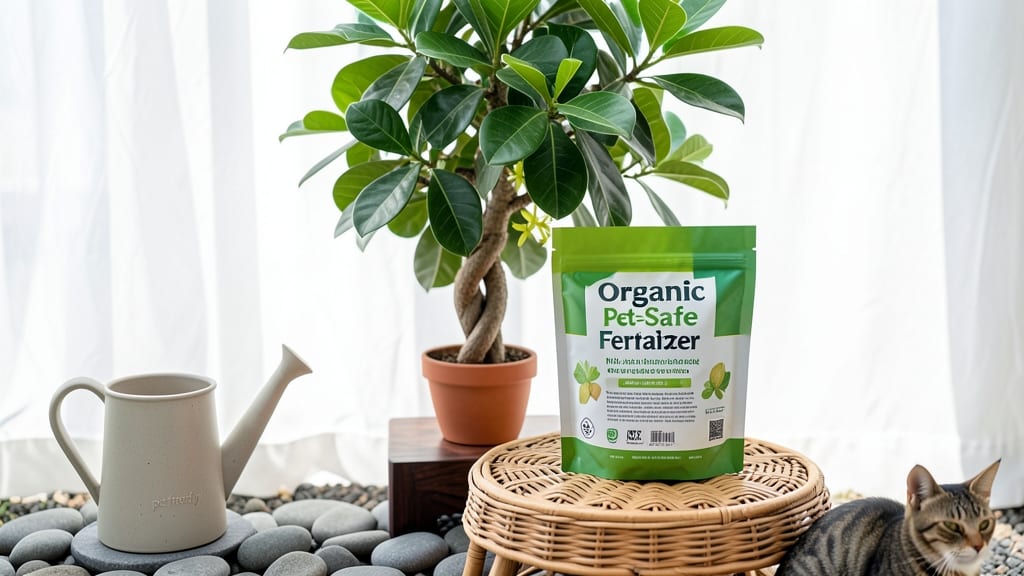
Are money trees pet friendly? Yes, they're generally safe for cats and dogs since they're non-toxic according to ASPCA standards, though chewing may still cause mild stomach upset. Always supervise pets near plants.
Money trees (Pachira aquatica) earn their pet-friendly reputation because they lack the toxic compounds found in many common houseplants. 🐾 Unlike lilies or philodendrons, which contain calcium oxalates that irritate pets' mouths and digestive systems, money trees have minimal irritants—though their fibrous leaves might still tempt curious pets.
The ASPCA confirms their safety, but I always recommend keeping an eye on your furry friends, especially during training periods when they explore new environments.
For extra peace of mind, consider placing your money tree in a hanging pot or on a high shelf where pets can't reach it.
If you notice your pet drooling excessively or pawing at their mouth after nibbling, rinse their mouth with water and contact your vet if symptoms persist. 🌿 The good news? Money trees' slow growth means they won't require frequent pruning—just regular monitoring to keep your home both stylish and safe.
💡 In This Article
- Why Money Trees Are Non-Toxic to Pets
- Pet-Proofing Your Home with Money Trees
Why money trees are non-toxic to pets
The money tree (Pachira aquatica) earns its pet-friendly status thanks to its unique botanical composition. Unlike many houseplants that contain calcium oxalates—compounds that cause painful mouth irritation and vomiting—money trees have minimal oxalate content.
Their sap is also non-irritating, which means pets won't experience the burning sensation or drooling that often accompanies contact with toxic plants like pothos or dieffenbachia.
Scientifically, the money tree's leaves contain fibrous cellulose and tannins, but these compounds aren't harmful in small amounts. The ASPCA classifies it as non-toxic because even if a pet ingests a leaf, the digestive system can't absorb its components effectively.
For comparison, spider plants (Chlorophytum comosum)—another pet-safe plant—contain saponins that can cause mild stomach upset, similar to how money trees might trigger mild gastrointestinal discomfort if chewed in large quantities.
What makes money trees particularly safe is their low palatability. The texture of their glossy, leathery leaves isn't as appealing to pets as softer plants, reducing the risk of accidental ingestion. However, curious pets—especially young ones—might still nibble out of boredom or teething.
The key difference lies in the severity of reaction: while toxic plants can cause drooling, vomiting, or even kidney failure, money trees typically result in temporary upset like mild vomiting or diarrhea if ingested.
To put it in perspective, imagine feeding your dog a small piece of celery versus a slice of raw onion. The celery might cause a slight stomach rumble, but it won't be dangerous—similar to how a money tree leaf might pass through a pet's system without major issues.
The lack of alkaloids or glycosides (common in toxic plants) is what truly sets money trees apart in the pet-safe plant category.
That said, individual pet reactions can vary. Some pets might experience mild digestive upset due to the plant's fibrous nature, while others may show no symptoms at all. This variability is why vets often recommend monitoring pets after any plant ingestion, even if the plant is considered non-toxic. 🌿