
Pruning
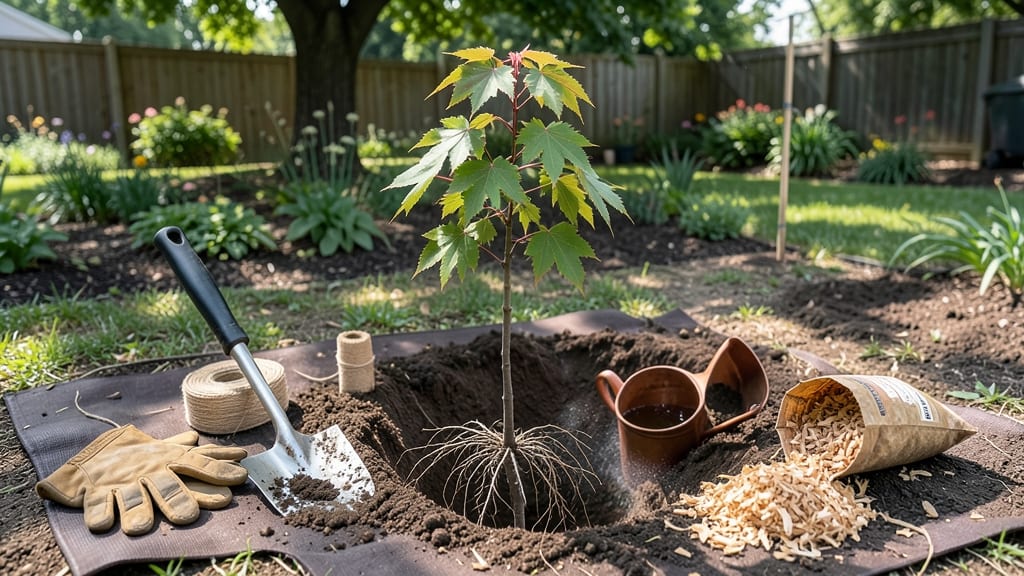
Caring for a maple tree sapling starts with the right pruning—cutting back the right branches now means a stronger, fuller tree in 10 years. 🌳 I’ve watched my own sapling go from a spindly stick to a sturdy 8-foot shade maker by following three key rules: when to prune, how to make clean cuts, and which branches to keep.
The biggest mistake? Trimming too much at once or using dull shears.
Your sapling needs well-draining soil, consistent watering (about 1-2 gallons per week unless it rains), and full sun for at least 6 hours daily. Mulch helps retain moisture and protects roots, but keep it 3 inches away from the trunk to avoid rot.
Prune in late winter or early spring before new growth starts—this encourages healthy branching and prevents disease.
By summer, you’ll see the difference: fewer weak branches, more vibrant leaves, and a tree that’s resilient against storms. The secret is patience—maples grow slowly but reward careful care with long-lasting strength. Even if you miss a season, don’t stress; maples are forgiving if you adjust your approach.
For pests, watch for aphids or borers—spray with soapy water early, and avoid heavy fertilizers that attract problems. In fall, rake up leaves around the base to prevent fungal growth. With these steps, your sapling will thrive for decades, giving you that iconic autumn color every year.
📚 In This Guide
- What you need
- Instructions
- Tips and common mistakes
- Wrapping up and next steps
What you need
- ● Maple tree sapling: 1-3 ft tall (choose a hardy variety like Sugar Maple or Red Maple for best results).
- ● High-quality potting soil: 5+ gallons (well-draining, slightly acidic, pH 6.0–7.0).
- ● Container or planting hole: Container: 15–20 gallon pot with drainage holes (if growing in a pot).
- ● Outdoor planting: Dig a hole 2x wider and as deep as the sapling’s root ball.
- ● Organic mulch: 2–3 inches (shredded bark, wood chips, or pine straw).
- ● Watering can or hose with nozzle: 1–2 gallons capacity (for deep watering).
- ● Fertilizer: Slow-release, balanced fertilizer (10-10-10 or 20-20-20, 1–2 lbs per year of tree age).
- ● Pruning tools: Bypass pruners: 1 pair (for cuts < ½ inch thick).
- ● Loppers: 1 pair (for cuts ½–2 inches thick).
- ● Hand saw: 1 (for larger branches, if needed).
- ● Disinfectant: 70% isopropyl alcohol or bleach solution (1 part bleach to 9 parts water) to sterilize tools.
- ● Garden gloves: 1 pair (to protect hands from sap and thorns).
- ● Tree support: 1–2 stakes + soft ties (for young saplings in windy areas).
- ● Tree wrap: 1 roll (to protect bark from sun/scratches in winter).
- ● Soil moisture meter: 1 (to monitor watering needs).
- ● Epsom salt: 1 tbsp (occasional magnesium boost for yellowing leaves).
- ● Bird netting: 1 roll (to deter pests like squirrels or birds).
Step-by-Step guide to maple tree sapling care
Here’s how to nurture your young maple into a thriving, long-lived tree with minimal fuss.
🌱 Step 1: Establish Proper Planting Depth and Soil Conditions
Maple saplings thrive when planted at the same depth they grew in the nursery—never deeper, as this can suffocate the root flare. Dig a hole twice as wide as the root ball but no deeper. Amend the native soil with compost or well-rotted manure mixed into the bottom third of the hole to improve drainage and fertility.
Gently remove the sapling from its container and loosen any circling roots with your fingers. Place it in the hole so the top of the root ball sits 1-2 inches above ground level—this prevents soil from settling and burying the trunk over time. Backfill with native soil, tamping lightly to eliminate air pockets but avoiding compaction.
💧 Step 2: Water Deeply and Mulch for Moisture Retention
Water the sapling immediately after planting, applying 5 gallons of water to fully saturate the root zone. Keep the soil consistently moist for the first 2-3 months, but never soggy—maples hate "wet feet." You’ll know it’s right when water drains freely but the top inch of soil stays damp to the touch.
Spread 2-3 inches of mulch (wood chips or shredded bark) over the soil surface, keeping it 6 inches away from the trunk to prevent rot. Mulch conserves moisture, regulates soil temperature, and suppresses weeds. Refresh it annually, as it breaks down over time.
☀️ Step 3: Provide Sunlight and Airflow for Healthy Growth
Maple saplings need full sun to partial shade—at least 6 hours of direct sunlight daily. If planting in a shady spot, expect slower growth and weaker branches. Avoid dense plantings nearby; give your sapling 10-15 feet of clearance on all sides to prevent competition for water and nutrients.
Prune any broken, crossing, or low-growing branches in early spring before new growth begins. Use clean, sharp pruners to make cuts just outside the branch collar—the swollen area where the branch meets the trunk. This encourages strong, upright growth and reduces the risk of disease.
✂️ Step 4: Prune Strategically for Structure and Longevity
Young maples benefit from light pruning in late winter or early spring to shape the canopy and remove deadwood. Focus on removing branches that grow inward or rub against others—these create weak points that split under stress. Never remove more than 25% of the foliage in one season, as this stresses the tree.
Watch for water sprouts—fast-growing, vertical shoots that emerge from the trunk or branches. These saplings divert energy from the main structure. Snip them off at the base as soon as you spot them. Regular pruning now pays off later with a sturdy, balanced tree that resists storm damage.
⏰ Step 5: Monitor and Adjust Through the Seasons
Inspect your sapling monthly for signs of stress: yellowing leaves, wilting, or unusual leaf drop. These often signal overwatering, underwatering, or pest issues. Adjust your care routine accordingly—maples are drought-tolerant once established but need consistent moisture when young.
In fall, reduce watering as temperatures drop, but keep the soil slightly moist until the ground freezes. Young maples are vulnerable to winter desiccation, so a 4-inch layer of mulch around the base adds insulation. Avoid heavy pruning in late fall or winter, as it encourages new growth that won’t harden off before cold snaps.
Tips & tricks for perfect maple tree sapling growth
Took me years of trial and error to learn these essentials—your young maple will thank you for paying attention to these details.
Root Health is Everything: When loosening circling roots in Step 1, don't just tug—gently tease them apart with your fingers or a small garden knife. These roots can strangle the tree if left intact. After planting, water deeply again to help settle the soil around the roots and eliminate air pockets. The goal is to mimic the natural root spread you'd see in a forest setting.
Watering Wisdom: Those first 2-3 months are critical for root establishment. I recommend using a moisture meter to check soil dampness—aim for the top 6 inches to stay consistently moist (not wet). In hot weather, you may need to water twice daily, especially if you notice the leaves wilting by midday. The 5-gallon initial watering should be split into two applications: one immediately after planting and another 24 hours later.
Pruning Precision: In Step 4, when removing water sprouts, cut them at the base but leave a small bump—this prevents water from pooling and causing rot. For larger branches, use the "three-cut method" to avoid tearing the bark: make your first cut about 6 inches from the trunk, then cut further out, and finally remove the branch. This technique protects the branch collar and promotes faster healing. Always sterilize your pruners with rubbing alcohol between cuts to prevent disease spread.
Seasonal Adjustments: The fall mulch layer (4 inches) is your best defense against winter desiccation. I've found that adding a layer of straw or leaves on top of the mulch in late fall provides extra insulation against temperature swings. In spring, remove any mulch that's piled against the trunk to prevent rot, but leave the outer ring intact to protect the roots from heat stress.
Pro Tips for Maple Tree Sapling Care
- Took me years of trial and error to learn these essentials—your young maple will thank you for paying attention to these details.
- Root Health is Everything: When loosening circling roots in Step 1, don't just tug—gently tease them apart with your fingers or a small garden knife.
- Watering Wisdom: Those first 2-3 months are critical for root establishment.
Frequently asked questions
Got questions about nurturing your maple tree sapling? You’re not alone! Here are answers to the most common concerns—from timing to troubleshooting—so your young tree thrives all year long.
When is the best time to prune a young maple sapling?
Prune your maple tree sapling in late winter or early spring (before buds swell) to minimize stress and disease risk. Avoid heavy pruning in fall or summer, as it can stimulate weak growth or attract pests. Focus on removing dead, crossing, or diseased branches first—keep cuts clean and angled!
How do I protect my sapling from winter damage?
Young maples are vulnerable to winter burn or frost cracks. Water deeply in fall (before soil freezes) and apply 2–3 inches of mulch around the base (but not touching the trunk). Wrap the trunk with tree guard or burlap if your region gets extreme cold—just remove it in early spring to avoid trapping moisture.
Can I use regular garden shears to prune my sapling?
For small branches (½-inch diameter), garden shears work fine! For thicker stems, use bypass pruners or a hand saw to make clean cuts. Never use hedge trimmers—they tear bark and invite disease. Sterilize tools with rubbing alcohol between cuts to prevent spreading pathogens.
Why are the leaves on my sapling turning yellow or curling?
Yellowing leaves often signal overwatering, nutrient deficiency, or pest stress. Check the soil—it should be moist but not soggy. If leaves curl, inspect for maple leaf curl aphids or Japanese beetles. Treat with neem oil or insecticidal soap if needed. Adjust watering and add balanced fertilizer (10-10-10) in early spring.
Are there fast-growing alternatives if my sapling isn’t thriving?
If your maple struggles in your climate, consider these low-maintenance saplings:
- Red Maple (Acer rubrum): Tolerates wet soil and urban conditions.
- Silver Maple (Acer saccharinum): Fast-growing but weaker wood—best for open spaces.
- Norway Maple (Acer platanoides): Hardy and shade-tolerant (but invasive in some areas).
For drought-prone areas, opt for Freeman maple hybrids—they’re disease-resistant and adaptable!
Wrapping up and next steps
Caring for your maple tree sapling is a rewarding journey that blends patience, knowledge, and a little green thumb love! 🌱 By mastering year-round pruning, watering, and soil health, you’ll nurture a strong, vibrant tree that thrives for decades. Remember, every trim and tender touch today shapes tomorrow’s canopy.
Ready to see your sapling flourish? Start small: pick one pruning technique to practice this season, then expand your skills as your tree grows. Happy growing—your future shade tree is counting on you! 🌳✨