
Pruning
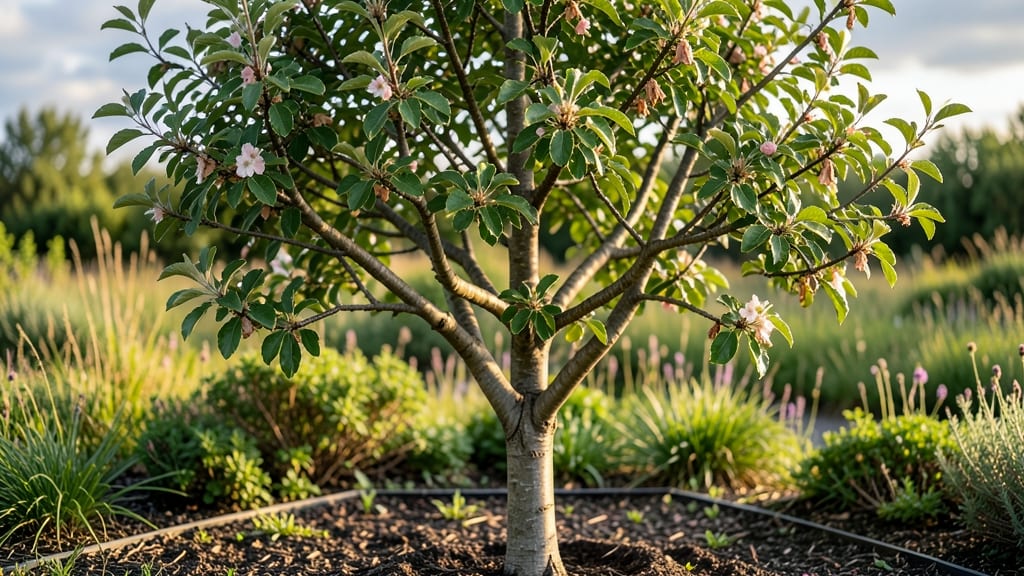
Summer is when your crabapple tree’s summer pruning makes or breaks its shape—and its fruit. ✂️ I’ve learned the hard way that waiting until fall means losing that perfect, balanced silhouette you could’ve had by midsummer.
The secret isn’t just cutting branches; it’s timing those cuts to encourage new growth while keeping the tree healthy through the heat.
Think of summer pruning as a mid-season tune-up: remove suckers (those wild shoots at the base), thin out crowded branches to improve airflow, and shape the canopy before the fruit matures. A sharp pair of pruners and a clear morning (when the tree’s sap isn’t running) are all you need.
Just avoid heavy pruning when temperatures hit 90°F+—that’s when stress invites pests like codling moths or diseases like apple scab.
What you’ll end up with is a tree that looks neat and intentional by autumn, with fewer broken limbs and more uniform fruit. The foliage stays lush, and those tiny red crabapples?
They’ll ripen evenly, making your tree the star of the neighborhood. Plus, you’ll save yourself a headache come pruning season when the tree is already stressed from winter.
This works for any crabapple variety—whether you’re growing it for shade, wildlife, or just the stunning fall color. The key is consistency: a little attention now means less work (and fewer regrets) later. Let’s get those branches in line!
📚 In This Guide
- What you need
- Instructions
- Tips and common mistakes
- Wrapping up and next steps
What you need
- ● Pruning shears: Bypass pruners (for cuts under ½ inch thick) – 1 pair (sharp, high-quality, like blank">Felco or blank">Fiskars)
- ● Loppers: For branches ½ to 1½ inches thick – 1 pair (extendable handles help for taller trees!)
- ● Pruning saw: Curved-tooth saw for branches 1½+ inches thick – 1 (avoid cheap saws; blank">Bahco is a great pick)
- ● Gloves: Heavy-duty gardening gloves (cut-resistant) – 1 pair (protects from thorns and rough bark)
- ● Ladder: Sturdy, extendable ladder (20+ feet for tall trees) – 1 (or a blank">tree pruning pole for safety)
- ● Disinfectant: 70% isopropyl alcohol or blank">pruning sealant – small bottle (prevents disease spread)
- ○ Twine or zip ties: For temporary branch support – 1 roll (optional but handy for large branches)
- ● Weather check: Prune on a dry, overcast day (avoid midday heat; early morning or late afternoon is ideal)
- ● Tree knowledge: Identify your crabapple variety (some bloom in summer—avoid pruning blooming branches!)
- ○ Safety gear: Safety glasses (to shield from debris) – 1 pair (optional but recommended)
- ● Cleanup supplies: Heavy-duty trash bags (for debris) – 2-3 bags
- ● Rake or leaf blower – 1 (to clear fallen branches)
- ● First aid kit: Bandages, antiseptic wipes – small kit (just in case!)
- ● 🔥 Sharpen your tools! Dull blades tear bark—use a blank">file or sharpening stone before starting.
- ● ✨ Mark your cuts: Use chalk or tape to outline branch collars before cutting for precision.
- ● 🌡️ Work in layers: Remove ⅓ of the canopy max per session to avoid stressing the tree.
How to prune a crabapple tree for summer health
Here’s my go-to method for keeping your crabapple tree looking its best during the growing season—without stressing the plant.
✂️ Step 1: Assess the Tree for Summer Pruning Needs
Start by walking around the tree and scanning for dead, diseased, or crossing branches. Dead branches are brittle and snap easily when bent—if they break, they’re ready for removal. Diseased branches often have dark spots, oozing sap, or fungal growth. Crossing branches rub against each other, creating wounds that invite pests.
Next, look for water sprouts—those fast-growing, vertical shoots that pop up everywhere. They’re weak and steal energy from fruit production. Mark these with a small flag or note in your mind. Finally, check for suckers at the base (shoots growing from the roots) and any branches growing inward toward the center.
✂️ Step 2: Gather Tools and Sanitize for Safety
You’ll need sharp pruning shears for small branches under ½ inch thick, and a pruning saw for anything thicker. A ladder helps reach higher branches safely. Before you start, clean your tools with rubbing alcohol or a 10% bleach solution to prevent spreading disease between cuts.
Wear gloves—crabapple branches have thorns, and the sap can irritate skin. I also like to have a bucket of water nearby to dip tools between cuts. This keeps blades sharp and reduces sap buildup. If the tree is large, consider wearing eye protection—those thorns don’t miss.
✂️ Step 3: Remove Dead, Diseased, and Problem Branches First
Start with the easiest cuts: dead, diseased, and crossing branches. For dead branches, cut just outside the branch collar—the swollen area where the branch meets the trunk. This ensures the tree can seal the wound properly. Make clean cuts at a 45-degree angle for branches thicker than ½ inch to prevent water from pooling.
For diseased branches, cut 6 inches below the last sign of disease to remove infected tissue completely. Bag and dispose of diseased branches immediately—don’t compost them. If a branch is too large to cut in one go, make a notch on the underside first to control the direction of the cut and avoid tearing the bark.
✂️ Step 4: Thin Out Water Sprouts and Suckers
Water sprouts and suckers are the tree’s way of wasting energy. Cut them back to their origin point—where they meet the main branch or trunk. For suckers, dig around the base with a hand trowel to expose the root and cut it cleanly. This prevents regrowth from the same spot.
Don’t leave stubs—always cut flush to the branch or trunk. If you’re unsure whether a sprout is water or just vigorous growth, wait a week. If it’s still growing upward rapidly, it’s a water sprout and should go. Thin these out evenly so light and air can reach the center of the tree.
☀️ Step 5: Shape the Tree for Balance and Airflow
Now’s the time to open up the canopy for better airflow and sunlight penetration. Focus on removing branches that grow inward or downward. Aim for a rounded, vase-like shape—this encourages even fruit production and reduces disease risk. Cut back to a bud or side branch rather than leaving a stub.
Step back often to check your progress. The goal is a tree that looks naturally balanced, not over-pruned. Avoid removing more than 25% of the tree’s foliage in one session—this stresses the plant. If you’re unsure about a cut, hold your hand where you plan to trim. If it feels like you’re removing too much, reconsider.
Tips & tricks for perfect crabapple tree summer pruning
Summer pruning transforms your crabapple tree—here's how to avoid common pitfalls and get professional results.
Branch Identification: In Step 1, when scanning for dead branches, give them a gentle bend test. Healthy branches bend slightly and spring back, while dead ones snap like dry twigs. For diseased branches, look for discolored bark or fungal growth that resembles cottony fuzz—these are clear signs to remove. I've learned the hard way that ignoring early signs of disease leads to bigger problems later.
Tool Prep: Before you start cutting in Step 2, sharpen your pruning shears by running them across a sharpening stone or using a dedicated tool sharpener. Dull blades tear bark rather than make clean cuts, which stresses the tree. I also like to wrap my pruning saw blades with painter's tape before cutting—it prevents sap buildup and keeps the blade cleaner for longer. This small step makes a big difference in how smoothly the pruning goes.
Cutting Technique: When making your cuts in Steps 3 and 4, always cut just outside the branch collar—never leave a stub. For branches thicker than ½ inch, make your first cut about ¼ inch away from the branch collar on the underside, then complete the cut from the top. This prevents bark from tearing and helps the wound seal properly. I've seen too many trees with ugly stubs that never heal right.
Seasonal Timing: While summer is ideal, the best time is actually late spring to early summer when the tree has just finished blooming but before the fruit sets. This gives the tree time to recover before winter. If you must prune later in summer, avoid heavy pruning—stick to light shaping and removing only the most problematic branches to prevent stressing the tree as it prepares for winter.
Pro Tips for Crabapple Tree Summer
- Summer pruning transforms your crabapple tree—here's how to avoid common pitfalls and get professional results.
- Branch Identification: In Step 1, when scanning for dead branches, give them a gentle bend test.
- Tool Prep: Before you start cutting in Step 2, sharpen your pruning shears by running them across a sharpening stone or using a dedicated tool sharpener.
Frequently asked questions
Got questions about crabapple tree summer pruning?
You’re not alone! Here are answers to the most common queries to help you maintain your tree’s health and beauty year-round.
When is the best time to prune a crabapple tree in summer?
The ideal window is late spring to early summer (May–June) after the tree finishes blooming but before extreme heat sets in. Avoid pruning during peak summer (July–August) to reduce stress and disease risk. Light shaping can be done in early summer, but major cuts are best saved for dormant seasons.
Can I prune a crabapple tree in summer if it’s overgrown?
Yes, but go slow! Never remove more than 25% of the canopy in one session. Focus on thinning out dense branches (especially water sprouts) and deadwood. If your tree is severely overgrown, spread pruning over 2–3 summers. Pro tip: Prune on a cool, cloudy day to minimize shock.
Will summer pruning attract pests like borers or aphids?
Pruning can stress the tree, making it more vulnerable to pests, but proper technique minimizes risks. Always use sterilized tools (rubbing alcohol or bleach solution) to avoid spreading disease. Seal larger cuts with pruning sealant if your tree is prone to borers. Healthy trees with good airflow resist pests better!
Should I prune crabapple trees to encourage more flowers?
Actually, pruning in summer won’t boost flowers—those buds form in late summer/fall for next year’s blooms! Instead, focus on removing suckers, deadwood, and crossing branches to improve airflow and fruit production. For more flowers, prioritize winter pruning (just after dormancy).
What’s a good alternative if I can’t prune in summer?
If summer isn’t ideal, plan for late winter/early spring pruning (just before buds swell). This is the gold standard for crabapples—it’s easier to see the tree’s structure, and healing happens faster. For minor touch-ups, early autumn (September) works, but avoid heavy cuts as the tree preps for winter.
Wrapping up and next steps
Your crabapple tree summer pruning journey is well on its way to shaping a healthier, more vibrant tree! By mastering the art of strategic cuts—whether it’s thinning, heading back, or removing deadwood—you’re not just pruning; you’re investing in long-term beauty and resilience. 🌳✨
Now that you’re armed with the right tools, timing, and techniques, take the next step: schedule a seasonal check-in. Mark your calendar for late winter (just before buds swell) to refine your tree’s structure and prepare for another stunning summer.
Happy pruning—your tree will thank you with blossoms and fruit for years to come!